The Plastic Bag Revolution: How Small Changes Are Creating a More Sustainable Future
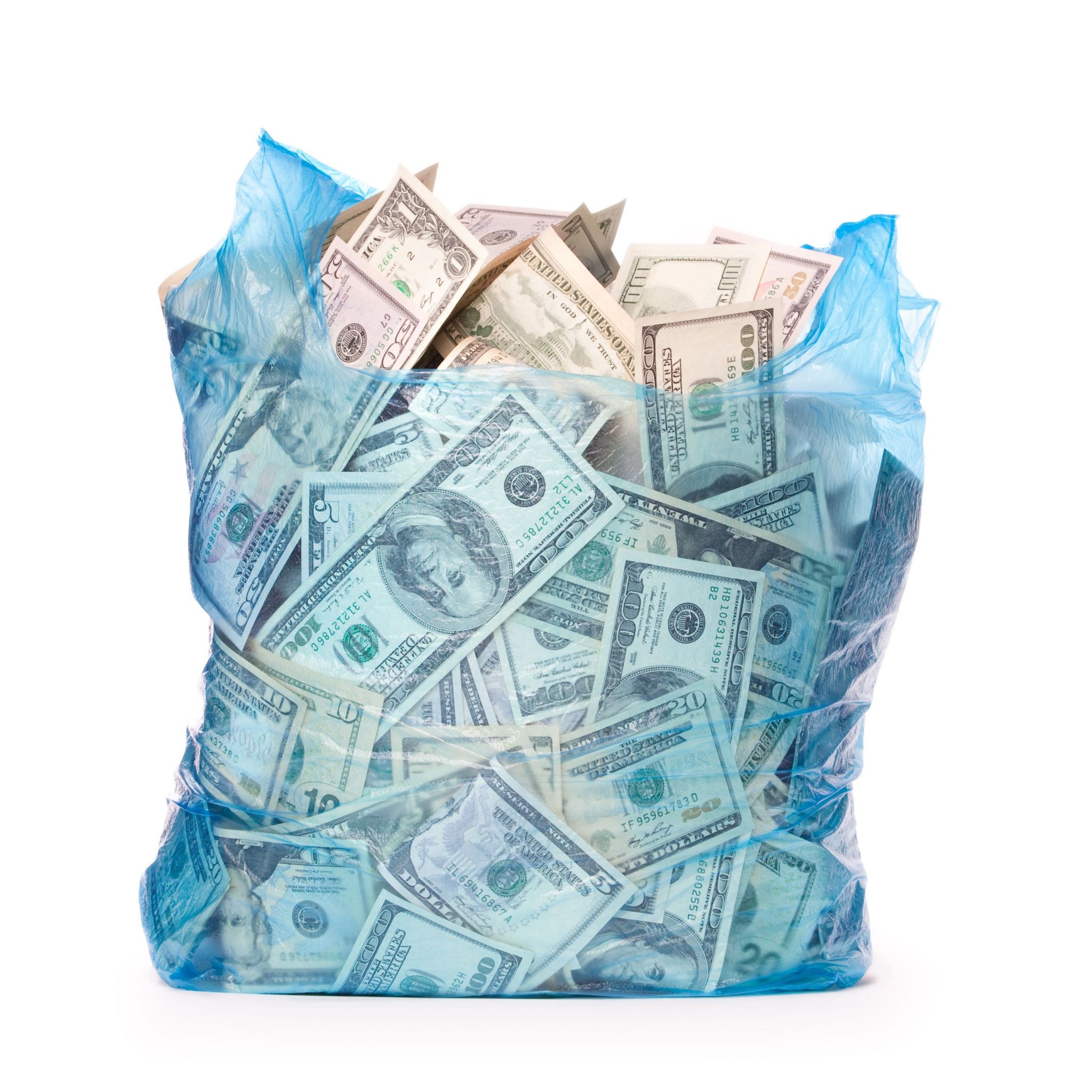
What if 5 or 10 cents could help change the way millions of people think about waste?
That's the idea behind plastic bag fees being adopted across the country.
Rather than simply banning plastic bags, many states and communities have introduced small charges for disposable bags. The goal is straightforward: encourage shoppers to bring reusable bags, reduce unnecessary waste and create a financial incentive to make a more sustainable choice.
And there's another benefit: the fees can generate revenue that governments can put toward environmental programs and other public priorities.
A tiny charge can have a surprisingly big impact.
A 5-Cent Question: “Do I Really Need a Bag?”
A disposable bag is easy to accept when it's free.
But put a small price on it, and the decision changes.
Do you really need another bag for two items? Did you remember your reusable bags in the car? Could you carry your purchase without one?
That small moment of consideration is exactly what these policies are designed to create.
Instead of making a disposable bag the automatic choice, a fee encourages consumers to think twice.
And once reusable bags become part of the routine, the habit can stick.
Reusable Bags Turn a Habit Into a Sustainable Choice
The biggest sustainability benefit isn't the few cents collected at checkout.
It's the behavior that happens afterward.
Someone who starts carrying reusable bags may avoid hundreds of disposable bags over time. Multiply that across thousands or millions of shoppers, and the potential reduction in single-use waste becomes significant.
It's a simple example of how policy can influence everyday behavior without requiring consumers to completely change their lifestyles.
The sustainable option becomes the normal option.
The Revenue Matters, Too
There's another side of the equation that doesn't get as much attention: plastic bag fees can generate revenue.
Depending on the jurisdiction, revenue from bag fees can support environmental initiatives, waste reduction programs, recycling efforts, cleanup projects or other public purposes.
That creates an interesting sustainability cycle:
Reduce disposable bags → encourage reusable alternatives → generate revenue → invest in environmental priorities.
Instead of simply paying for something that gets thrown away, consumers are helping create an economic incentive for better waste management.
And the more successful a program becomes at reducing bag consumption, the more important it becomes to think about how those revenues and savings are being measured and used.
It's Bigger Than Plastic Bags
Plastic bags are just one piece of a much larger movement toward a more circular approach to waste.
Across the country, governments are increasingly looking at ways to reduce waste before it ever reaches the trash can.
Plastic packaging.
Food waste.
Recycling.
Composting.
Extended Producer Responsibility.
The common thread is simple: prevent waste where possible, and manage what remains more intelligently.
That requires changing both consumer behavior and the systems that manage the waste afterward.
Sustainability Needs Better Data
This is where technology can help.
It's one thing to introduce a sustainability policy.
It's another to know whether it's actually working.
How many bags are being avoided?
How much waste is being diverted?
Are recycling volumes changing?
Are certain locations seeing bigger reductions than others?
How is the waste stream changing over time?
Data makes it possible to move beyond assumptions and measure results.
At Bond4Waste, that's a big part of how we think about the future of waste management.
AI-powered analytics can help waste organizations understand their operations, identify trends and make better decisions about collection, recycling and resource use.
Because sustainability shouldn't just be something we talk about.
It should be something we can measure.
Small Fee. Bigger Impact.
A 5 or 10-cent bag fee may seem like a small policy.
But its impact can extend far beyond the checkout counter.
It can encourage reusable bags.
It can reduce single-use plastic waste.
It can change consumer habits.
And it can generate revenue that supports public priorities.
That's a pretty good return from a few cents.
The larger lesson is that sustainability doesn't always require a dramatic technological breakthrough or sweeping behavioral change.
Sometimes, it starts with a simple question at the checkout counter:
“Do you need a bag?”
And increasingly, consumers are learning to answer:
“No, I've got my own.”
Related reading
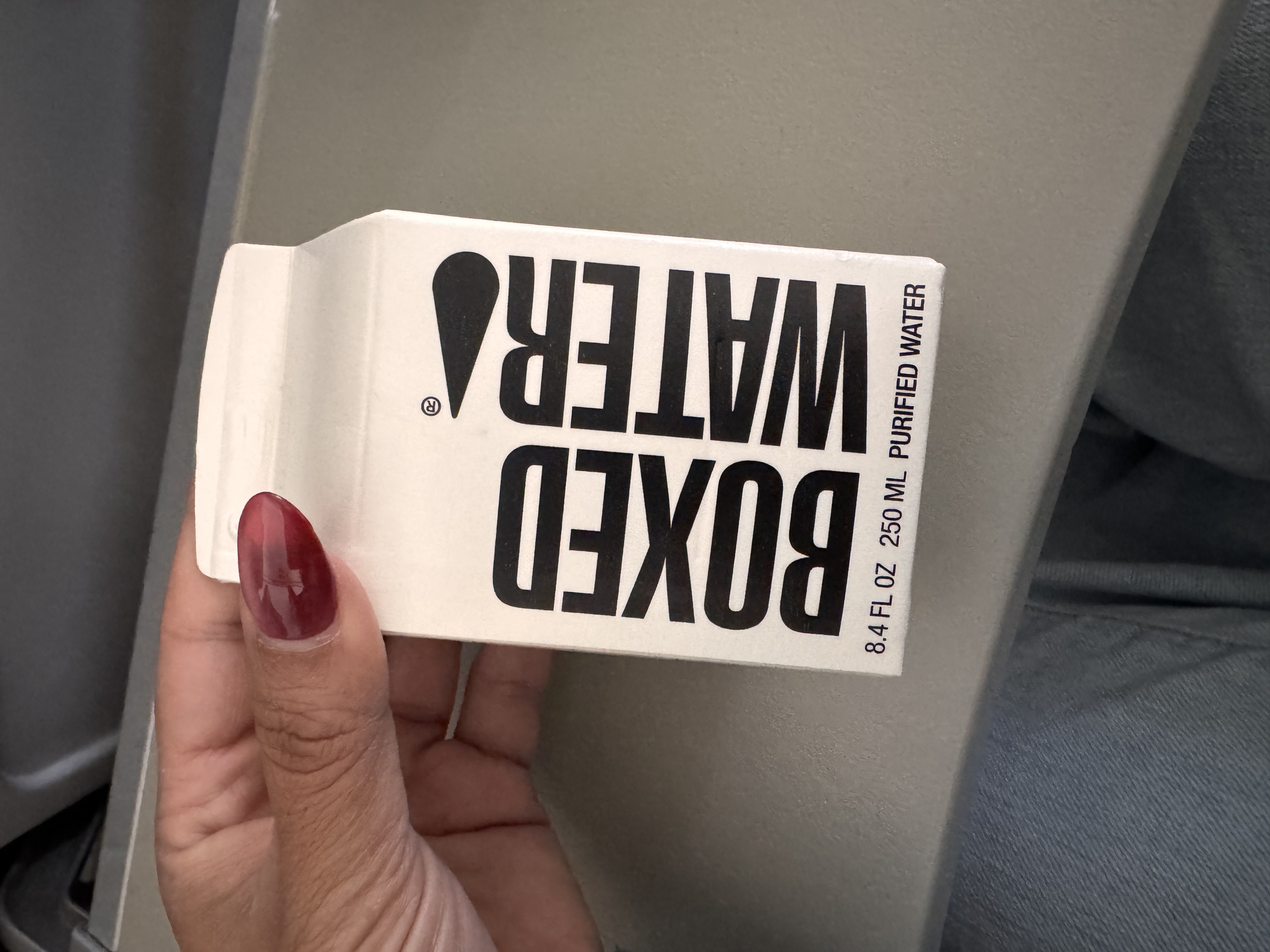
Alaska Airlines' Boxed Water: A Lesson in Smarter Waste Reduction
A summer travel diary usually starts with destinations, experiences, and memories. But on a recent Alaska Airlines flight, our Outreach Director noticed a small detail that sparke…

Documentary Review: "Buy Now!" Reveals the Hidden Cost of Our Shopping Addiction
Continuing on the theme of textile overproduction and waste, as mentioned in our last newsletter , we wanted to take a closer look at a documentary that asks a bigger question: Wh…
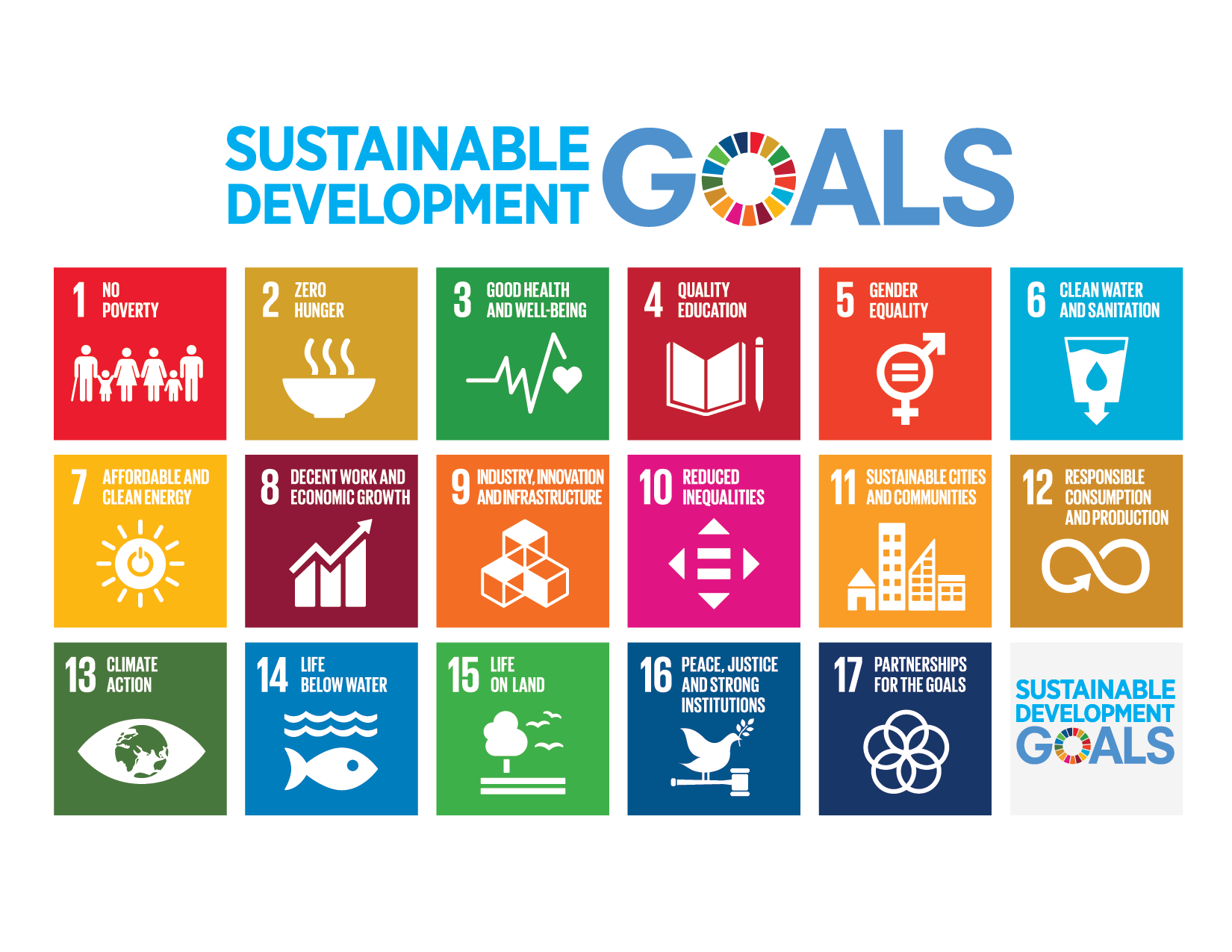
UNGA 2026 and the Sustainability Goals: It’s Time to Talk About Waste
Every September, the world’s attention turns to New York as leaders gather for the United Nations General Assembly. This year, as UNGA 2026 brings renewed focus to the Sustainable…