Documentary Review: "Buy Now!" Reveals the Hidden Cost of Our Shopping Addiction
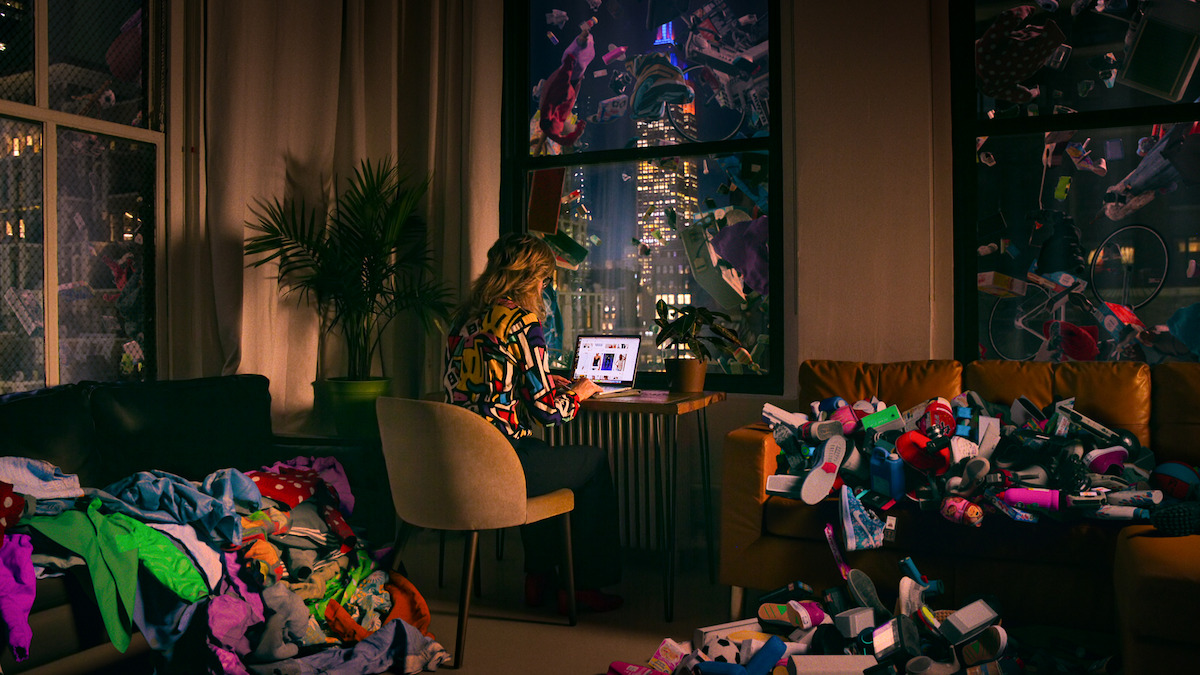
Continuing on the theme of textile overproduction and waste, as mentioned in our last newsletter, we wanted to take a closer look at a documentary that asks a bigger question: Why are we producing and buying so much in the first place?
Buy Now! The Shopping Conspiracy, released on Netflix in 2024, takes a critical look at modern consumerism and the systems that keep us buying. The documentary explores the strategies companies use to encourage constant consumption and follows the environmental consequences of our appetite for more.
For anyone working in waste management, its message is particularly relevant:
Waste does not begin at the landfill. It begins when something is produced.
When Our Clothes Become Someone Else's Waste
One of the most striking parts of Buy Now! takes viewers to Ghana, where the consequences of the world's clothing overproduction become impossible to ignore.
Many consumers donate unwanted clothing believing that it will be reused by someone else. But much of the clothing collected in wealthier countries is exported overseas. Ghana has become a major destination for secondhand clothing, receiving enormous quantities of garments every week.
The problem is that there is simply too much.
Clothing that cannot be sold or reused, whether because it is damaged, stained, poor quality or simply exceeds demand, becomes waste. The documentary shows discarded garments accumulating around Accra and along waterways and coastal areas.
This creates an uncomfortable reality:
Our clothing problem doesn't necessarily end when we donate a shirt. Sometimes, we simply move the waste somewhere else.
The Environmental Cost of Overproduction
The Ghana segment is particularly powerful because it makes the consequences of overproduction visible.
A shirt sitting in an American closet may seem like a relatively small environmental issue. But multiply that shirt by millions of garments produced, purchased and discarded every year, and the scale changes dramatically.
Many modern garments are made with synthetic materials such as polyester. These textiles are plastics, and their production, use and disposal can contribute to plastic pollution. The documentary connects discarded synthetic clothing with the contamination of Ghana's waterways and the broader environmental consequences of textile waste.
The lesson is bigger than fashion:
Waste does not disappear just because it leaves our neighborhood.
It has to go somewhere.
The Problem Starts Before the Trash Can
This is where Buy Now! connects directly to the waste management industry.
We often think about waste at the point of disposal: the dumpster, the collection truck, the recycling facility or the landfill.
But every product has a much longer story.
Raw materials have to be extracted. Products are manufactured and transported. They are packaged, sold, shipped and eventually discarded. At the end of that process, someone has to figure out what to do with them.
By the time an unwanted piece of clothing reaches a waste facility, most of its environmental footprint has already been created.
That is why waste management cannot be viewed only as a question of what happens after disposal.
We also have to ask why so much is being produced in the first place.
“Just Recycle It” Isn't Enough
Another important message from the documentary is the limitation of recycling as the solution to overconsumption.
Recycling is essential. But it cannot compensate for unlimited production.
If we keep manufacturing more clothing, electronics and consumer products than people need, telling consumers to simply recycle them at the end of their lives does not address the underlying problem.
The better approach is to move further up the chain:
Reduce. Reuse. Repair. Then recycle.
A product that never needs to be produced creates less waste than a product that is produced, shipped around the world, purchased, discarded and eventually recycled.
The most sustainable waste is often waste that was never created.
A Broader Problem With “Buy Now”
The documentary does not focus exclusively on fashion.
It examines a much larger consumer culture in which products are designed and marketed to encourage frequent purchasing. From electronics to everyday retail products, Buy Now! explores how companies can turn convenience and constant novelty into powerful incentives to consume.
That creates a cycle:
Produce more → sell more → consume more → discard more.
And the waste industry sits at the end of that cycle, dealing with the consequences.
For waste professionals, this raises an important question: Can we manage our way out of a problem that is being created faster than ever?
Where the Documentary Falls Short
Buy Now! is provocative, but it is not perfect.
Its presentation can sometimes feel overly dramatic, and the documentary tries to cover a very large number of issues in just 84 minutes. Some critics have also questioned its heavy use of stylized and AI-generated visuals, arguing that they can distract from the real people and evidence featured in the film.
But the underlying message remains compelling.
The documentary succeeds in making something that can feel abstract very tangible: every product we buy has a life before and after it reaches us.
And someone, somewhere, eventually has to deal with what happens when we are finished with it.
What This Means for Waste Management
For Bond4Waste, this is where the conversation gets especially interesting.
Technology can help waste companies manage the waste that already exists. Better data, AI-powered tools and smarter operations can help companies understand waste streams, improve efficiency and make better decisions about collection and disposal.
But technology alone cannot solve overproduction.
The long-term challenge is building a more circular system where products are designed to last, materials are kept in use longer and producers take greater responsibility for what happens at the end of a product's life.
That is increasingly relevant as governments introduce extended producer responsibility programs and other policies designed to connect manufacturers with the waste their products ultimately create.
The future of waste management will not just be about collecting more waste efficiently.
It will also be about understanding where that waste comes from and finding ways to prevent it from being created in the first place.
The Bottom Line
Buy Now! The Shopping Conspiracy is not necessarily an easy documentary to watch.
That is precisely why it is worth watching.
It asks a deceptively simple question:
Do we really need all this stuff?
For the waste industry, the question goes one step further:
What happens to all that stuff when we're finished with it?
The answer cannot simply be more dumpsters, more trucks and more landfills.
We need to rethink how products are designed, produced, purchased, reused and managed at the end of their lives.
The clothing piling up in Ghana is a powerful reminder that our waste does not simply disappear when it leaves our hands.
It travels.
And sometimes, the true cost of what we buy is paid somewhere far away.
Buy Now! may not have every answer, but it forces us to confront an uncomfortable truth:
Our waste problem isn't just a disposal problem. It's a production problem, a consumption problem and, ultimately, a systems problem.
Related reading
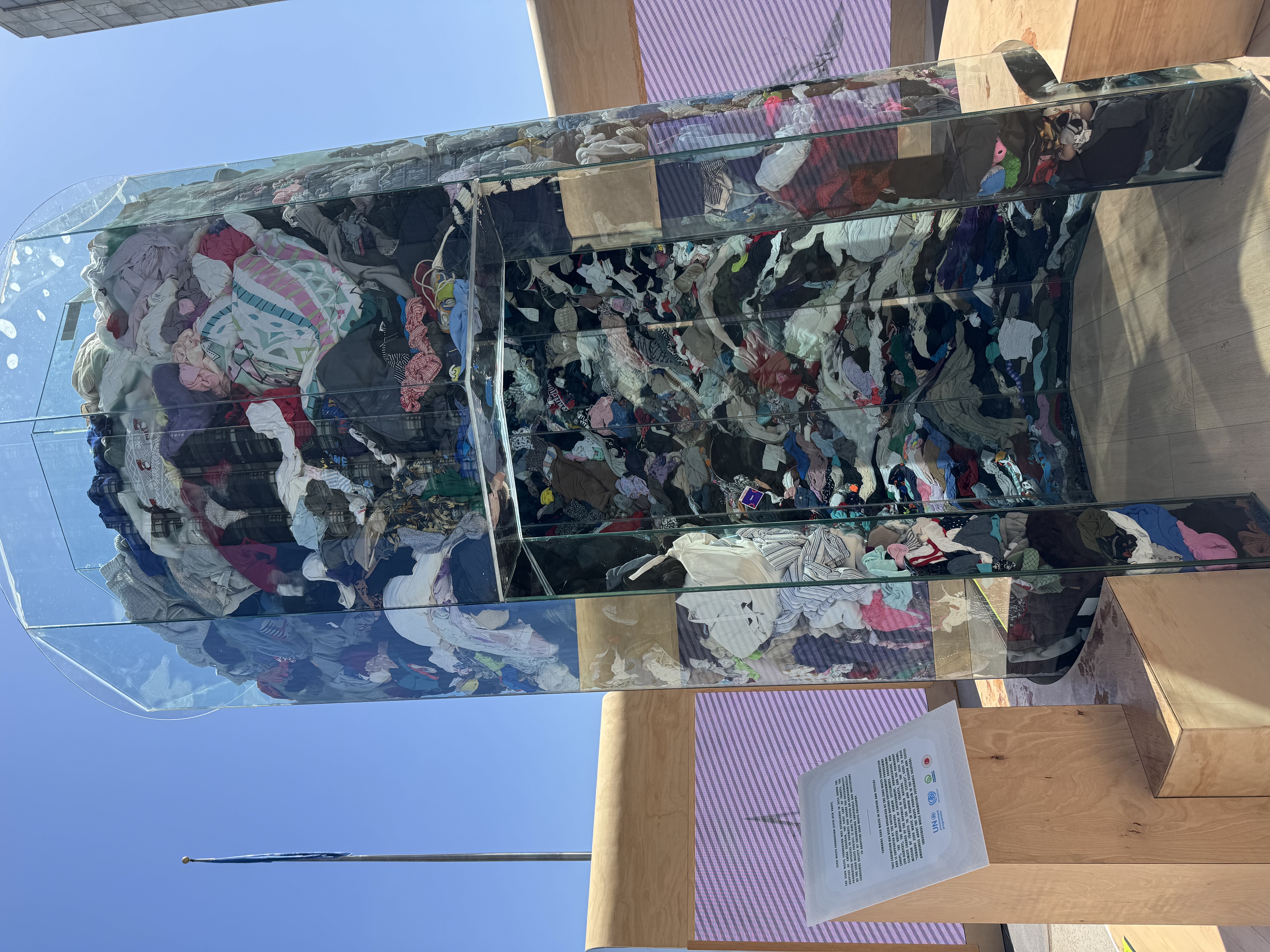
“We Have Enough Clothing”: Our Outreach Director’s Firsthand Account from the United Nations
The following is a firsthand account from Bond4’s Outreach Director, a former U.S. diplomat who served at the U.S. Mission to the United Nations in New York. During her posting, s…
How Patagonia Is Tackling the Problem of Clothing Waste
We’ve talked a lot about textile overproduction and the enormous amount of clothing that ends up as waste. But there is another side to the fashion story: what happens when a comp…
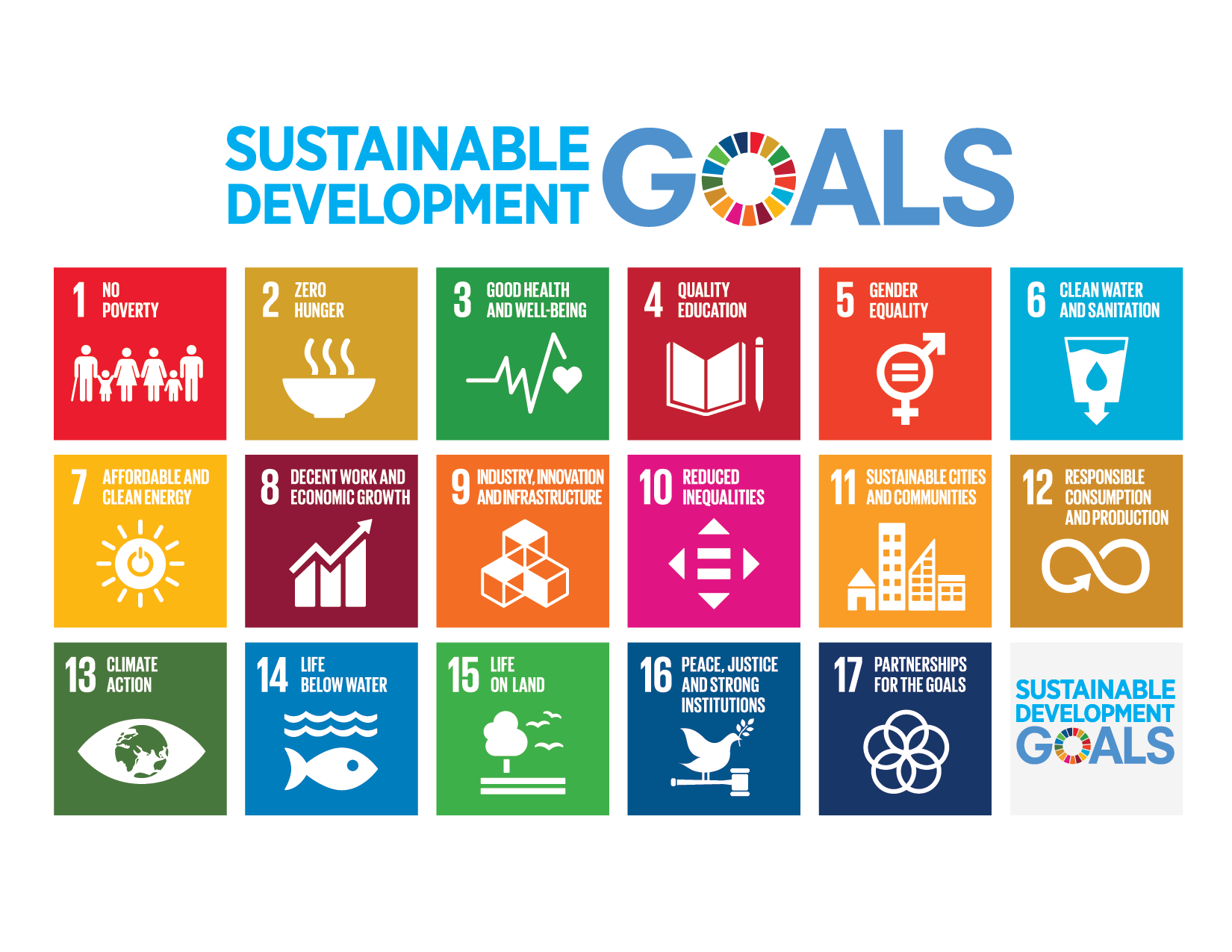
UNGA 2026 and the Sustainability Goals: It’s Time to Talk About Waste
Every September, the world’s attention turns to New York as leaders gather for the United Nations General Assembly. This year, as UNGA 2026 brings renewed focus to the Sustainable…