Alaska Airlines' Boxed Water: A Lesson in Smarter Waste Reduction
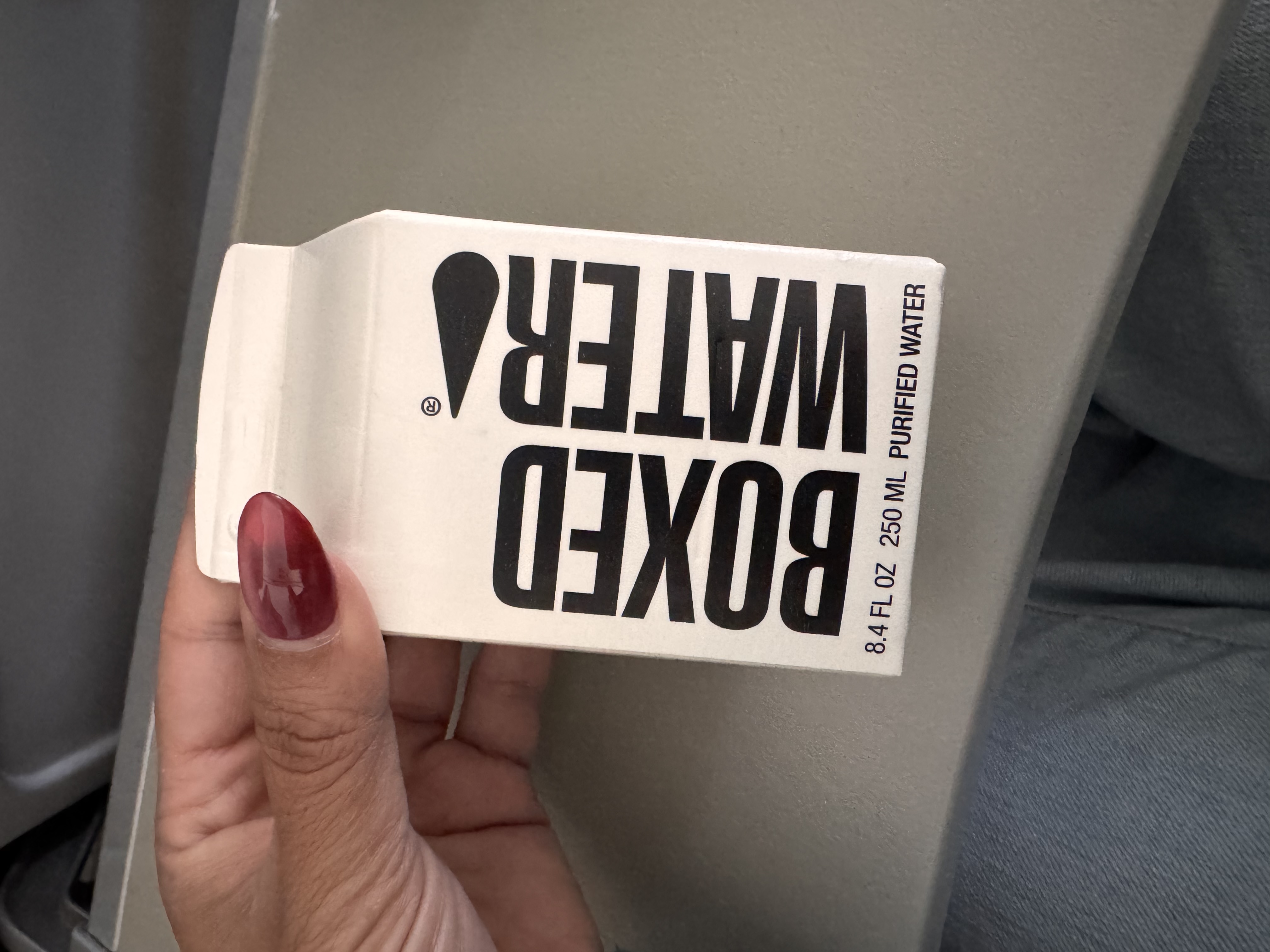
A summer travel diary usually starts with destinations, experiences, and memories. But on a recent Alaska Airlines flight, our Outreach Director noticed a small detail that sparked a much bigger conversation about sustainability: a box of water.
Instead of the familiar plastic water bottle, the flight attendant handed over a small cardboard carton.
At first, it seemed like a minor change. But a closer look revealed a much bigger story.
Alaska Airlines had replaced plastic water bottles with boxed water as part of a broader effort to reduce single-use plastics. Even more surprising, it encouraged passengers to share a photo of the carton on social media, promising that two trees would be planted for participating.
It's a small interaction that turns every passenger into part of the airline's sustainability story.
A Small Change with a Big Impact
In 2021, Alaska Airlines began replacing most plastic water bottles with Boxed Water cartons across its flights. The initiative also included replacing many plastic cups with paper alternatives.
The airline estimated the change would eliminate approximately:
32 million plastic water bottles every year
22 million plastic cups annually
Nearly 1.8 million pounds of single-use plastic
For an industry that transports millions of passengers every year, small changes multiplied across thousands of daily flights quickly become meaningful environmental improvements.
What Happens to All the Trash After a Flight?
Most passengers don't think about what happens after they throw away their drink carton.
But airlines generate enormous amounts of waste every day.
After each flight, cabin crews collect trash throughout the aircraft before ground crews transport it for sorting and disposal. Depending on the route and destination, waste may be recycled, composted where facilities exist, sent to landfill, or handled under strict international agricultural regulations that require certain materials to be destroyed.
An international flight often has different disposal requirements than a domestic one because food waste can carry agricultural risks.
That means every item served onboard has downstream consequences long after passengers leave the plane.
Reducing waste before it is created is often the simplest solution.
Designing for Better Disposal
A boxed water carton isn't perfect.
Like many beverage cartons, it contains thin layers of paper, plastic, and aluminum that require specialized recycling facilities.
But compared to producing and disposing of millions of single-use plastic bottles, many organizations see cartons as a meaningful step toward lowering overall environmental impact.
Just as important, the packaging itself becomes part of the sustainability message.
Passengers don't just drink the water—they read the carton, learn about the initiative, and are encouraged to participate by sharing it online. Sustainability becomes visible instead of invisible.
Every Industry Faces the Same Question
Whether it's aviation, waste management, manufacturing, or municipal services, organizations increasingly face the same challenge:
How can we reduce waste before it becomes a disposal problem?
Better packaging is one answer.
Smarter recycling systems are another.
Better operational data may be the most important piece of all.
Knowing what materials are being generated, where they are collected, and how efficiently they move through the waste stream allows organizations to make better environmental decisions over time.
Looking Beyond the Bin
It's easy to think sustainability is only about what goes into the recycling container.
In reality, it starts much earlier—with the decisions companies make about packaging, purchasing, logistics, and operations.
Alaska Airlines' decision to swap plastic bottles for boxed water shows how one operational change can reduce millions of pieces of plastic while encouraging passengers to think differently about waste.
Across the waste and recycling industry, similar opportunities exist every day. Better information, smarter planning, and improved visibility into waste streams can help organizations identify where small operational improvements add up to significant environmental benefits.
Sometimes, the biggest sustainability lessons begin with something as simple as accepting a drink on a flight.
Related reading

Waste Management Is Wildlife Management: Lessons From Glacier National Park
The most beautiful places in America have a waste problem. They just can't afford to let you see it. This week, Bond4Waste’s Outreach Director had the chance to hike through Monta…
The Plastic Bag Revolution: How Small Changes Are Creating a More Sustainable Future
What if 5 or 10 cents could help change the way millions of people think about waste? That's the idea behind plastic bag fees being adopted across the country. Rather than simply…
UNGA 2026 and the Sustainability Goals: It’s Time to Talk About Waste
Every September, the world’s attention turns to New York as leaders gather for the United Nations General Assembly. This year, as UNGA 2026 brings renewed focus to the Sustainable…