UNGA 2026 and the Sustainability Goals: It’s Time to Talk About Waste
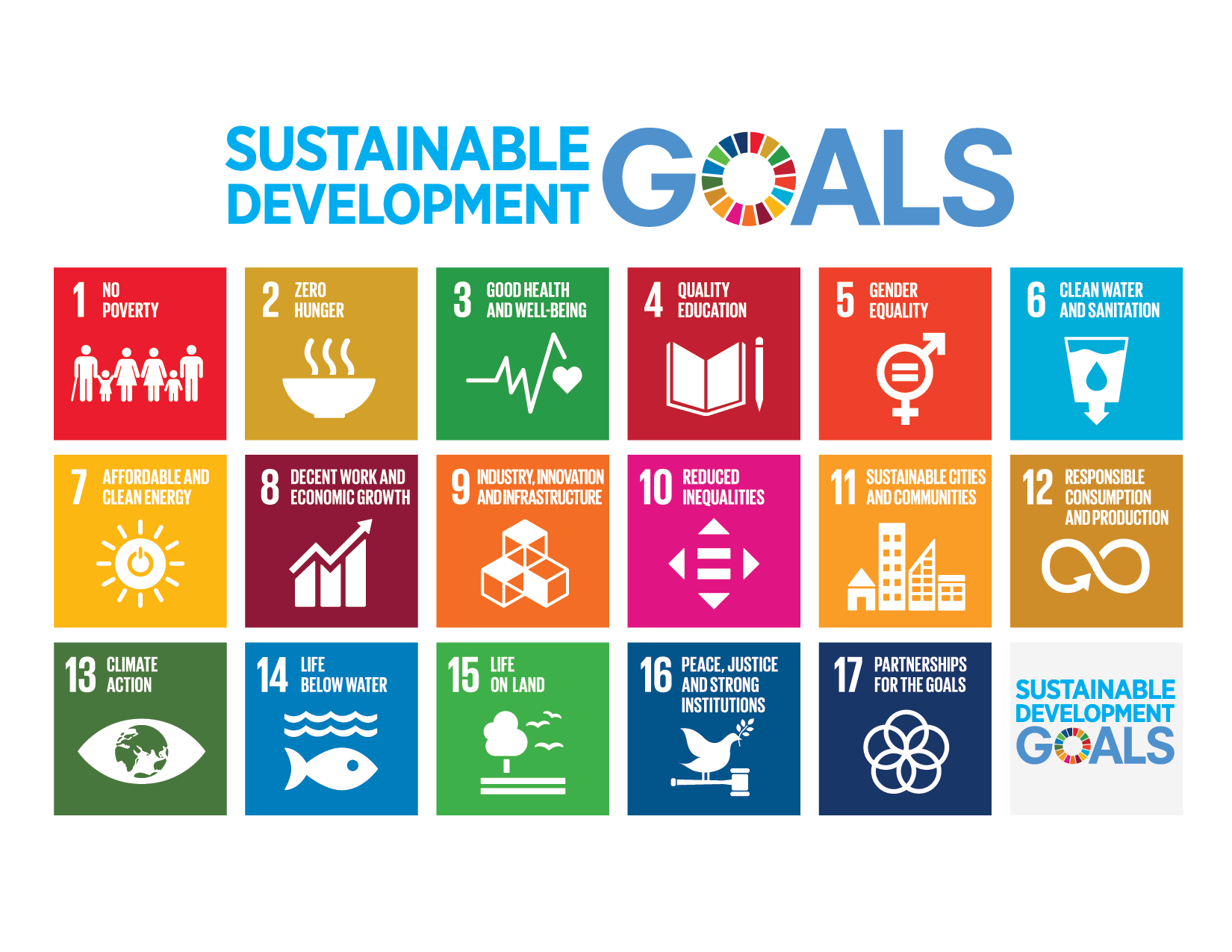
Every September, the world’s attention turns to New York as leaders gather for the United Nations General Assembly. This year, as UNGA 2026 brings renewed focus to the Sustainable Development Goals, there is one issue that deserves a bigger place in the conversation: waste.
The United Nations’ 17 Sustainable Development Goals, adopted as part of the 2030 Agenda, cover everything from climate action and sustainable cities to responsible consumption and production. With 2030 approaching, the question is no longer simply what the world wants to achieve. It is how those goals actually become reality.
And that is where waste comes in.
Sustainability Starts With What We Throw Away
Waste is easy to overlook in global sustainability conversations. Climate change, renewable energy and emissions often dominate the headlines. But every city, business and household eventually has to answer a much more basic question:
What happens to everything we throw away?
That question connects directly to several of the UN's sustainability goals, particularly SDG 11: Sustainable Cities and Communities and SDG 12: Responsible Consumption and Production.
A sustainable city isn't just one with clean energy and green buildings. It also needs waste systems that work efficiently, recover valuable materials, reduce pollution and keep streets and neighborhoods clean.
And responsible consumption does not end when something goes into a recycling bin or trash can. That is when the next part of the story begins.
The Circular Economy Is Already Moving the Conversation Forward
The timing is particularly interesting this year.
The World Circular Economy Forum 2026 is taking place September 15–18 in Gandhinagar, India, bringing together governments, businesses and experts around the theme “Circular economy: Transition for people and prosperity.” The forum is focused on moving circular-economy ideas from ambition toward implementation.
That same idea applies to waste management.
A circular economy asks us to rethink the traditional “take, make, use and throw away” model. Instead of treating materials as disposable, the goal is to keep products and resources in use for as long as possible through reuse, repair, recycling and recovery.
Waste management sits right in the middle of that transition.
But There Is Another Piece: Data
There is a huge amount of information hiding inside everyday waste operations.
Routes generate GPS data. Collection trucks generate service records. Recycling facilities generate scale tickets and material data. Customers generate service requests. Photos document contamination and illegal dumping. Contracts contain information about what customers are supposed to receive and what they are paying for.
Taken individually, these are just pieces of information.
Taken together, they can tell a much bigger story about how efficiently a waste system is operating.
This is where AI can make a difference.
AI can help waste organizations identify patterns that are difficult to see manually, from inefficient routes and missed services to contamination trends, unusual costs and potential revenue leakage.
Instead of simply collecting more data, the opportunity is to make better decisions with the data already being generated.
From UNGA to the Garbage Truck
The global sustainability conversation can sometimes feel far removed from everyday life.
World leaders meet in New York. Governments announce targets. Businesses publish sustainability reports. International organizations develop frameworks.
But sustainability ultimately has to happen somewhere.
It happens on the streets of a city.
It happens when a recycling truck makes its route.
It happens when a business reduces the amount of material it sends to a landfill.
It happens when a community identifies illegal dumping before it becomes a larger problem.
And it happens when a waste operator uses better information to make its entire operation more efficient.
The world's sustainability goals may be global, but implementation happens locally.
Making the Sustainability Goals More Actionable
As UNGA 2026 approaches, the conversation should not only be about setting ambitious sustainability goals. It should also be about the tools that can help cities, businesses and communities achieve them.
Waste may not always get the same attention as climate change or clean energy, but it is one of the most tangible parts of the sustainability equation.
The next generation of waste management will increasingly be about more than trucks, bins and landfills. It will be about data, intelligence and better decisions.
The UN Sustainable Development Goals give the world a roadmap for a more sustainable future. Now, the challenge is turning that roadmap into action.
And sometimes, that action starts with something as simple as looking more closely at our trash.
Related reading

What Makes a City Feel Clean? Why the Future of Clean Streets Is Powered by AI
You know a clean city when you see one. The sidewalks are clear. Public bins aren't overflowing. Illegal dumping is rare. Parks are well maintained. But what most people don't rea…

An Open Letter to Mayor Zohran Mamdani: 7 AI Ideas to Modernize New York City's Trash Collection
Dear Mayor Mamdani, Bond4 works on AI systems for modern waste management, focused on helping cities move from reactive cleanup to more predictive, data-driven operations. Your “B…

Waste Management Is Wildlife Management: Lessons From Glacier National Park
The most beautiful places in America have a waste problem. They just can't afford to let you see it. This week, Bond4Waste’s Outreach Director had the chance to hike through Monta…