Waste Management Is Wildlife Management: Lessons From Glacier National Park
The most beautiful places in America have a waste problem. They just can't afford to let you see it.
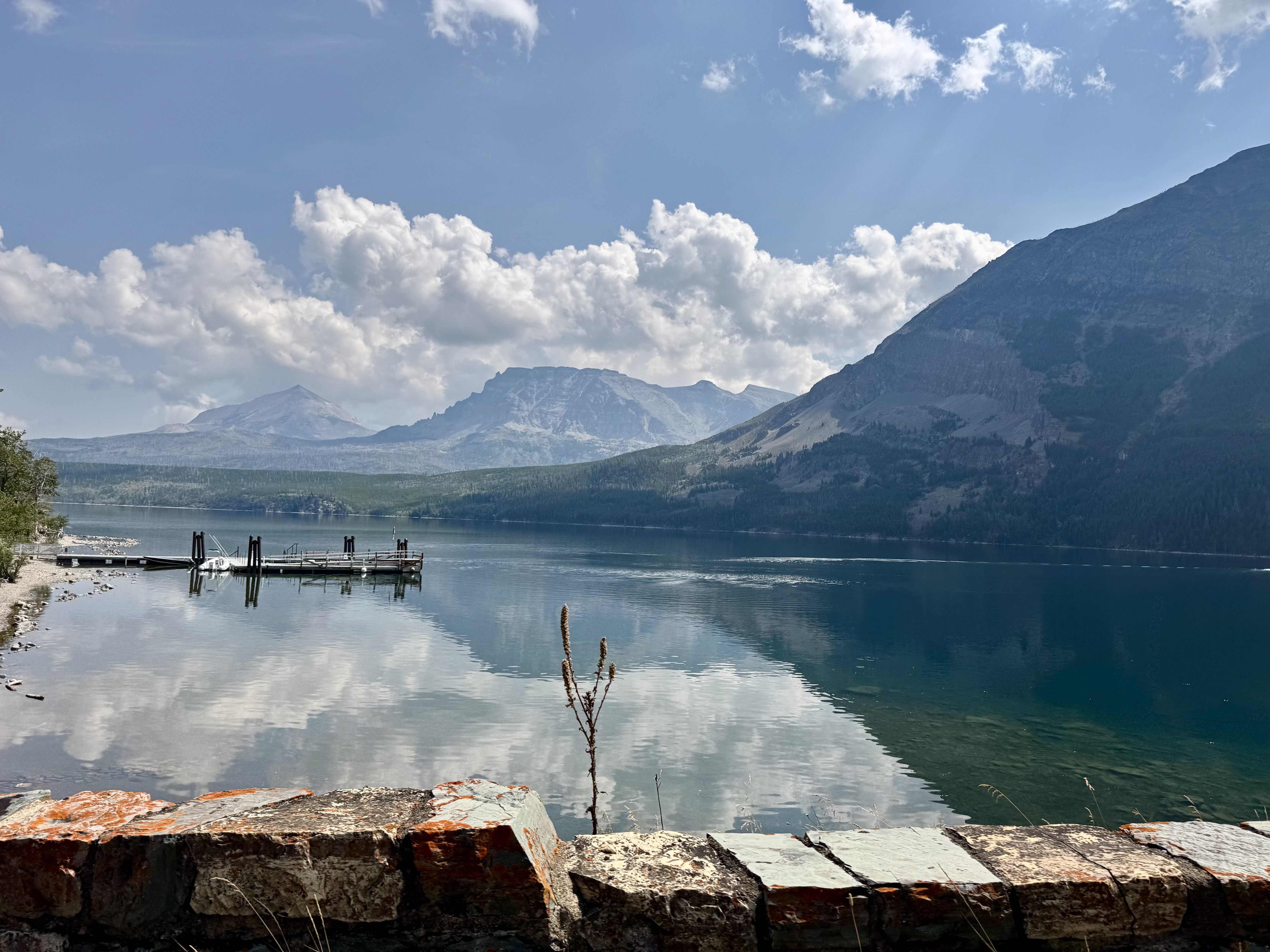
This week, Bond4Waste’s Outreach Director had the chance to hike through Montana’s spectacular Glacier National Park.
There were turquoise lakes, towering mountains, miles of trails, waterfalls and, of course, plenty of hikers taking it all in.
But there was something else worth noticing: the trash cans.
Or more specifically, what the trash cans were designed to prevent.
In bear country, a trash can is more than a trash can
Throughout Glacier, visitors are required to dispose of garbage in bear-resistant containers. The reason is obvious: a normal overflowing trash can can become an invitation to wildlife.
Glacier National Park requires garbage containers outside buildings to be bear-proof or kept inside bear-proof enclosures. Dumpsters must have latching lids and remain latched when not being used.
That simple piece of infrastructure serves a much bigger purpose.
It keeps visitors safe.
It keeps bears from associating people with food.
And it helps preserve the natural behavior of wildlife.
The National Park Service warns that once bears learn that human areas are an easy source of food, changing that behavior becomes extremely difficult. In some cases, habituated or food-conditioned animals can ultimately pose a serious safety risk.
So in Glacier, waste management is wildlife management.
The challenge goes beyond bears
Glacier also highlights another challenge that waste professionals know well: location matters.
Glacier is enormous and relatively remote. Montana has a small population spread across a huge geographic area, and the park says that recycling services for materials such as glass and plastic are extremely limited.
The result is an interesting sustainability calculation.
Glacier currently recycles materials that local markets accept, including aluminum cans and certain plastic bottles. But transporting recyclables long distances can itself create environmental costs.
That means there isn't always a simple answer of "recycle everything."
Sometimes the most sustainable solution depends on distance, infrastructure, markets, transportation and the actual environmental cost of moving a material.
That's a lesson that applies far beyond national parks.
America's parks are living laboratories for sustainability
The National Park Service has made sustainability part of its broader mission.
Its Green Parks Plan calls for reducing waste, increasing waste diversion and recycling, improving resource efficiency, reducing greenhouse gas emissions and minimizing the environmental impact of park operations.
And the principle is straightforward:
The goal isn't simply to remove waste. It's to minimize the impact of everything we do.
That includes what visitors bring into a park, how trash is collected, where it goes, how recycling is handled and how infrastructure is designed to coexist with the surrounding environment.
In Glacier, even something as ordinary as a garbage container becomes part of that larger system.
There is another lesson hiding in those containers
Walking through Glacier, it was hard not to think about how much information is hidden behind every waste container.
How full is it?
How frequently does it need to be serviced?
Is it in the right location?
Is it being used correctly?
Is contamination increasing?
Could a collection route be optimized?
And perhaps most importantly: could we know the answer before the container becomes a problem?
These are the questions that modern waste technology is beginning to answer.
Smart sensors, connected containers, analytics and AI can give waste operators a much clearer picture of what is happening on the ground.
For a national park, that can mean fewer unnecessary collection trips, better resource allocation and less disruption to sensitive environments.
For a city, it can mean cleaner streets and fewer overflowing containers.
For a waste hauler, it can mean better routes, lower operating costs and more efficient use of vehicles and crews.
Different environments. Same fundamental challenge.
Leave No Trace starts with the waste system
One of the most memorable parts of hiking Glacier wasn't just the scenery. It was seeing how much effort goes into making sure millions of visitors can experience that scenery without overwhelming it.
The National Park Service's Leave No Trace guidance puts it simply: pack it in, pack it out. Even organic waste such as orange peels can take a long time to decompose in Glacier's cold, dry environment.
That philosophy extends beyond hiking trails.
Good waste management is ultimately about leaving less behind.
National parks have some of the most demanding waste-management environments in the country. They have to protect wildlife, manage visitors, operate in remote locations and preserve landscapes that belong to everyone.
And they are showing us something important:
Waste management isn't separate from sustainability. It is one of the ways sustainability actually happens.
After hiking through Glacier this week, the mountains were still the most impressive part of the trip.
But those bear-proof containers offered a pretty good reminder that protecting beautiful places isn't only about the big conservation projects.
Sometimes, it starts with something as simple as putting the right waste in the right container.
And increasingly, the next step is knowing when that container needs attention before anyone has to ask.
That's where technology can help build a cleaner, smarter and more sustainable future for waste management, whether the setting is a national park, a city street or somewhere in between.
The goal is the same: protect the place we're all here to enjoy.
Related reading
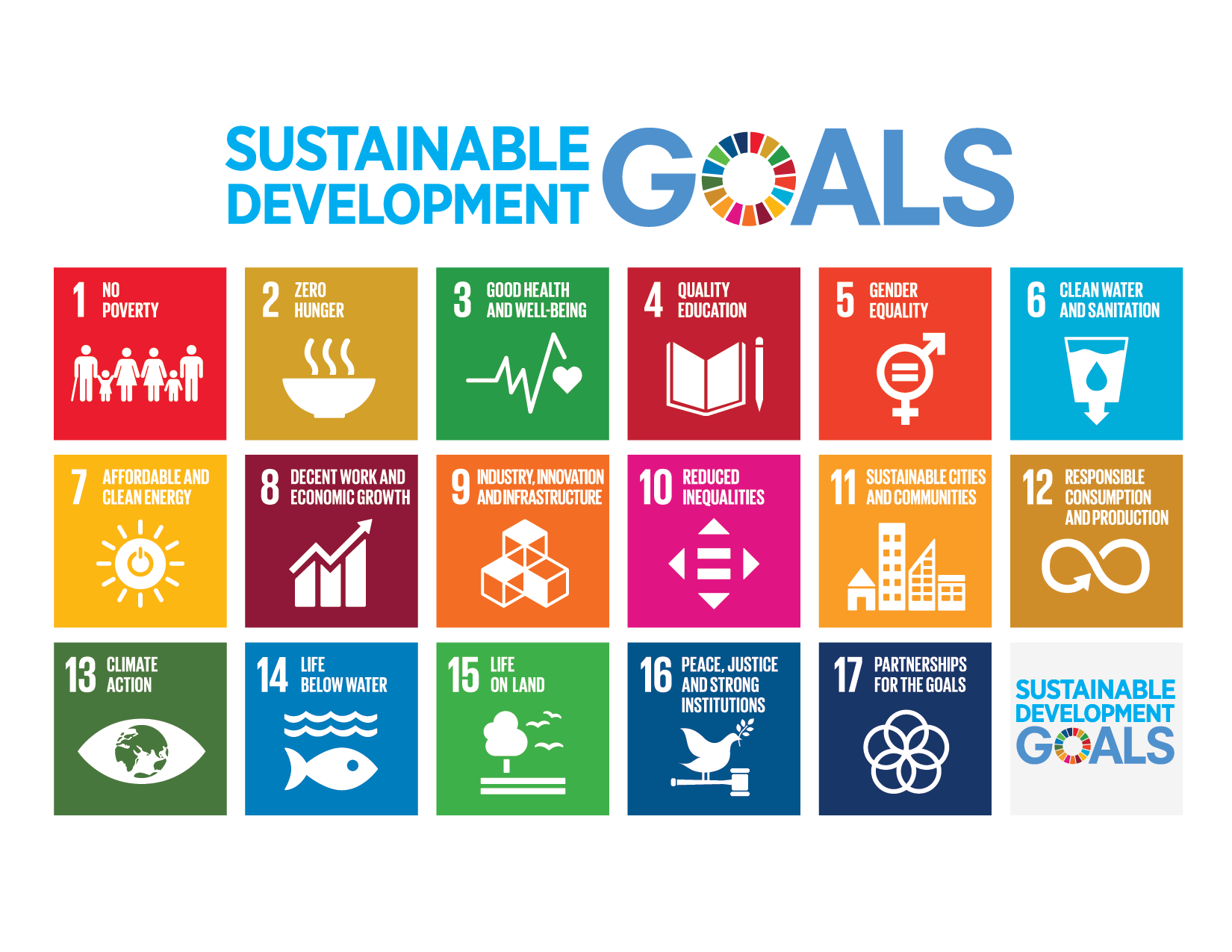
UNGA 2026 and the Sustainability Goals: It’s Time to Talk About Waste
Every September, the world’s attention turns to New York as leaders gather for the United Nations General Assembly. This year, as UNGA 2026 brings renewed focus to the Sustainable…

Freedom Comes With a Cleanup Crew: The Hidden Work Behind America's Biggest Holiday
Every Fourth of July ends the same way. The fireworks fade. The grills cool down. The crowds head home. And then the cleanup begins. While millions of Americans celebrate Independ…
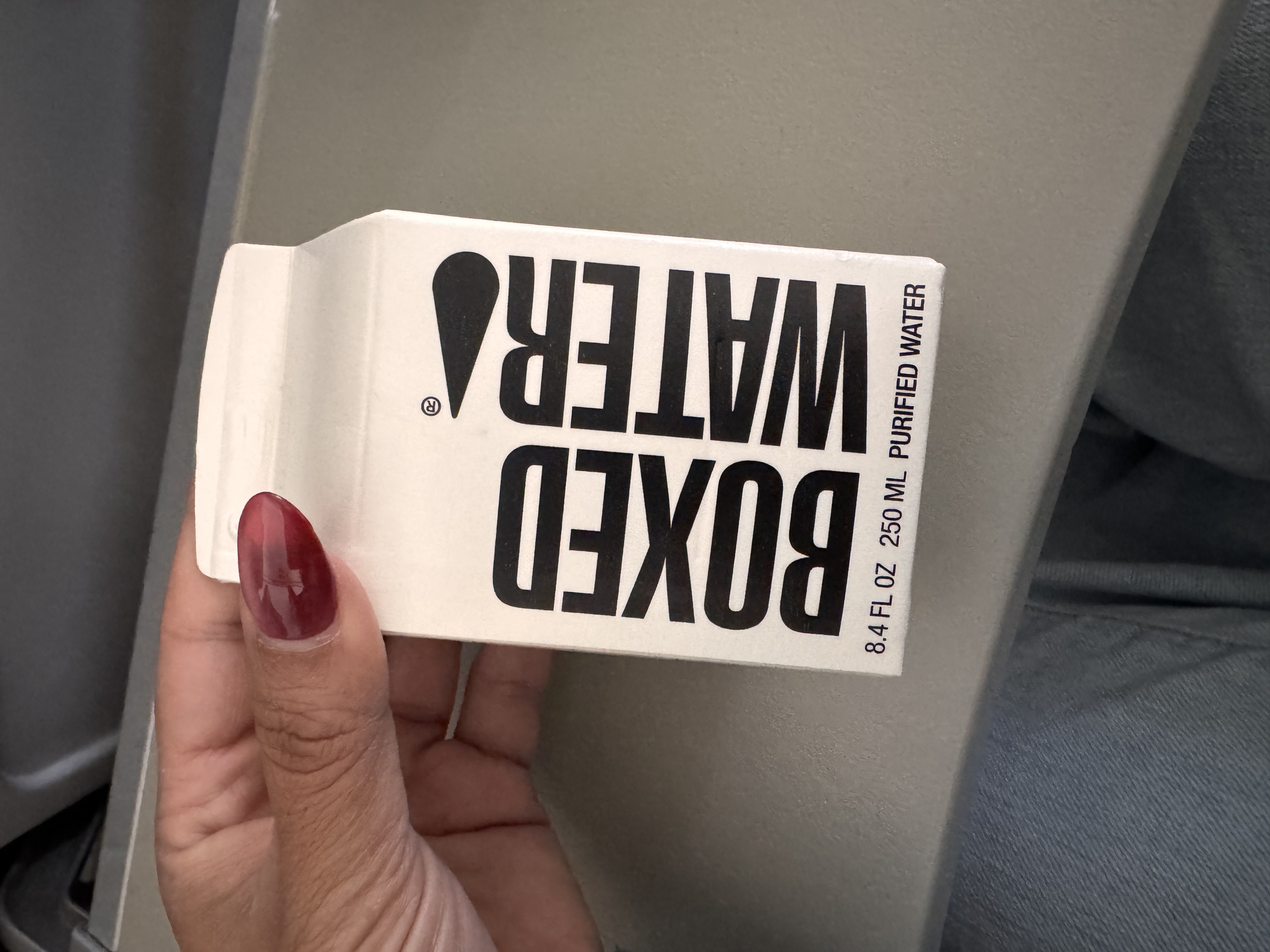
Alaska Airlines' Boxed Water: A Lesson in Smarter Waste Reduction
A summer travel diary usually starts with destinations, experiences, and memories. But on a recent Alaska Airlines flight, our Outreach Director noticed a small detail that sparke…