Your Truck Is One Battery Away From a Fire: Here's Where It Should Go Instead

Lithium-ion batteries are turning up more and more often where they don't belong: household trash bins, recycling carts, and eventually collection trucks and sorting facilities. When a battery gets crushed, punctured, or overheated in that environment, it can ignite, and those fires are becoming one of the costliest problems facing the waste and recycling industry.
To help address it, Fire Rover and the Solid Waste Association of North America (SWANA) have partnered on a shared resource hub aimed at reducing battery-related fires industry-wide. The idea is straightforward: pair Fire Rover's expertise in fire detection and suppression with SWANA's reach across the waste and resource management community, and put practical tools in front of the people who need them most: haulers, drivers, dispatchers, facility operators, and the customers whose batteries start this problem in the first place.
What's on the Page
The partnership lives at one place: firerover.com/swana-partnership. It brings together three things:
A battery drop-off locator. Search by zip code to find a nearby location that accepts used batteries. It's built for the moment a driver, dispatcher, or customer needs a real answer to "where do I take this instead of the trash cart," rather than letting the battery end up in a truck or on a tip floor. Businesses that already accept batteries can also submit their own site to be added to the map.
An anonymous fire reporting tool. Facilities and organizations can log battery-related fires or near-misses, including cause, location, and photos, without attaching their name to it if they'd rather not. SWANA's Lithium-Ion Battery Safety Workgroup is using these reports to build a clearer, more complete picture of where and how these fires are actually happening, which in turn shapes its advocacy and education efforts.
A video and article library. Short videos and articles covering battery fire risk and prevention, aimed at giving frontline staff and facility managers practical, plain-language guidance rather than technical fire-safety jargon.
Why It Matters
Fire Rover's own annual fire report estimated $2.5 billion in damage to waste and recycling infrastructure across the U.S. and Canada in 2025 alone, much of it tied to lithium-ion batteries entering the waste stream where they don't belong. That's trucks, facilities, and in some cases entire operations taken offline, on top of the safety risk to workers and the public.
The fix isn't complicated, but it does require getting batteries into the right hands before they reach a truck or a sort line. That's the gap this partnership is trying to close: fewer "I didn't know where else to put it" moments, and better data on the fires that do happen so the industry can respond to the problem instead of just reacting to it.
Learn more or use the tools: firerover.com/swana-partnership
Related reading
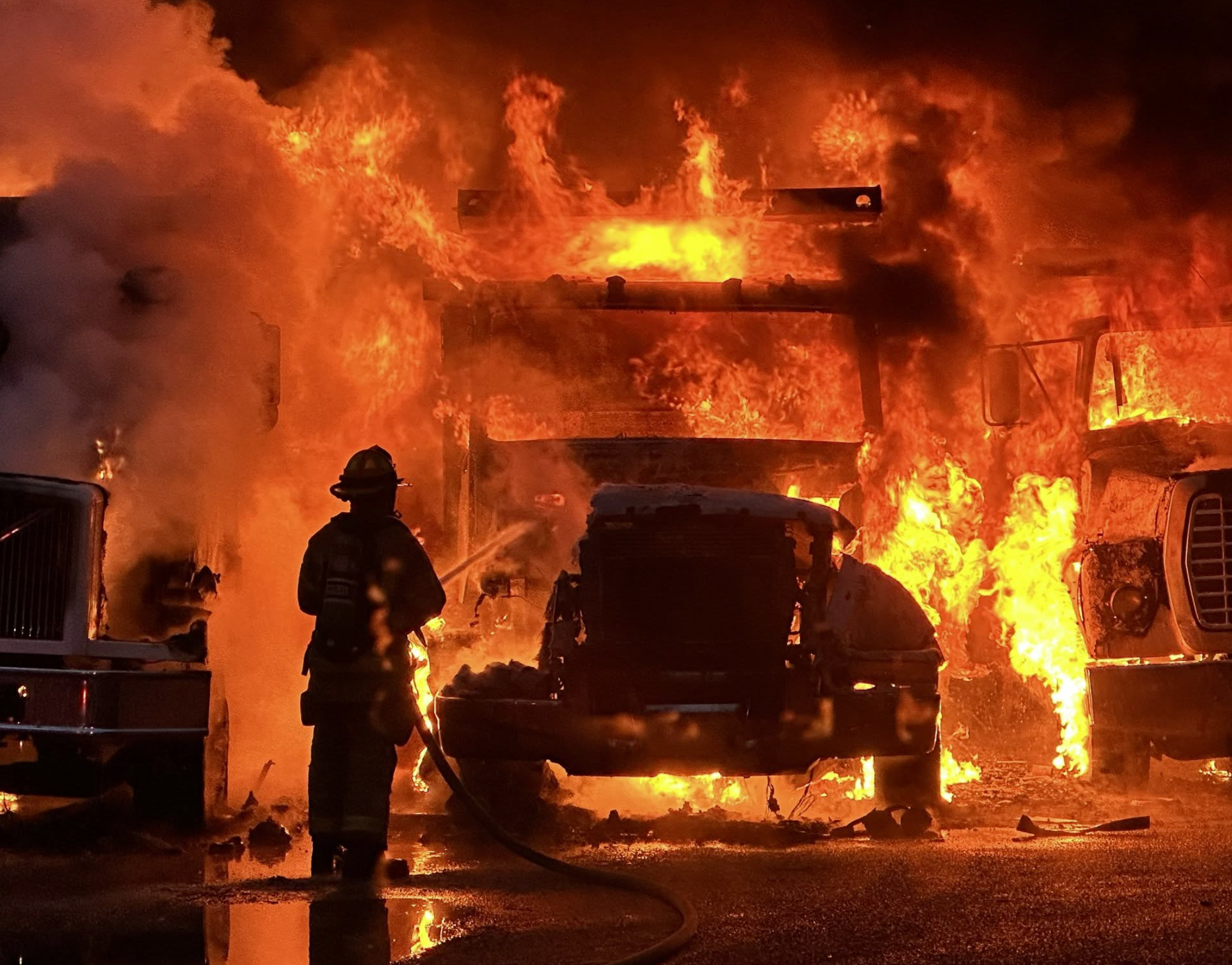
How to Prevent Battery Fires in Garbage Trucks: A Practical Guide for Waste Haulers
Every waste hauler understands that a garbage truck fire can quickly turn into a dangerous and costly emergency. While mechanical failures and hot loads still occur, one hazard ha…
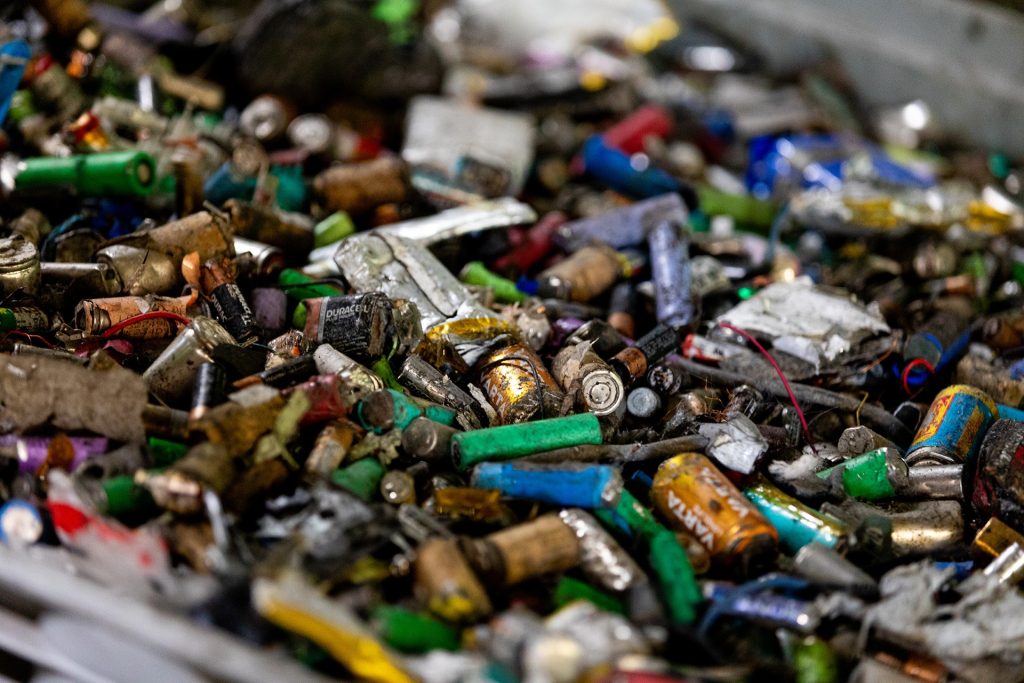
Battery Dumping Is Becoming a Growing Threat to Waste Operations
Most people don't think twice before tossing something into the trash. For waste collection crews and recycling facilities, however, a single misplaced item can have serious conse…
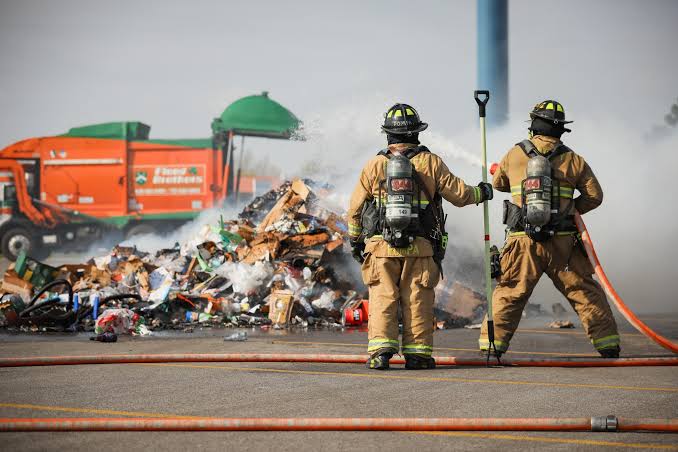
When the Load Ignites: A Collection Truck Fire Playbook for Haulers
On September 8, a driver in North Smithfield, Rhode Island noticed smoke from a Waste Management truck on a residential street. He drove it out of the neighborhood to a transfer s…