Battery Dumping Is Becoming a Growing Threat to Waste Operations
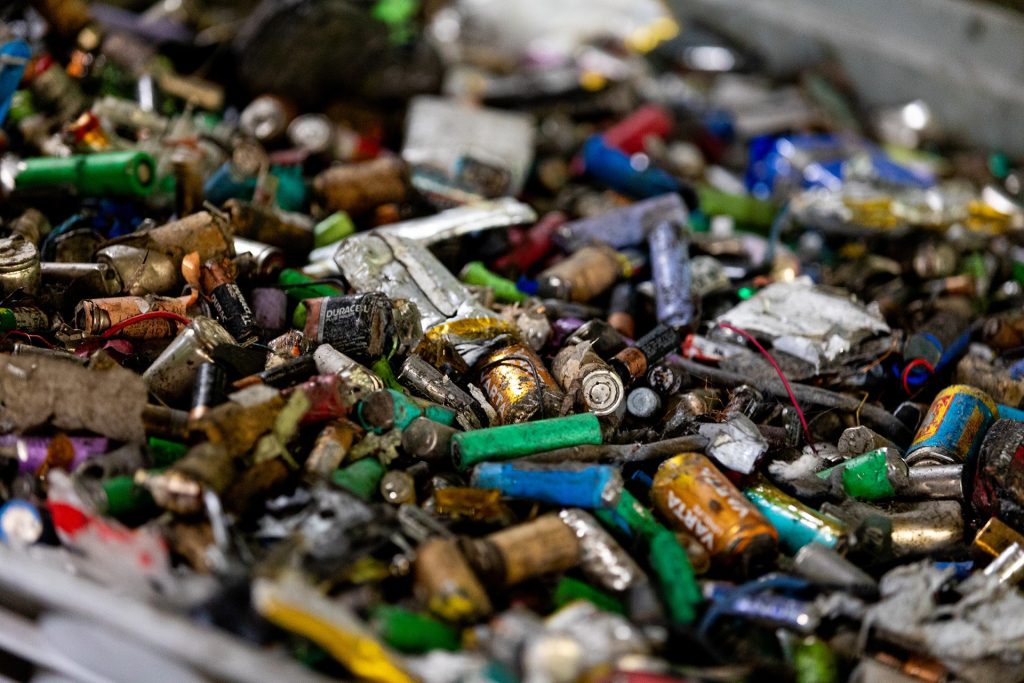
Most people don't think twice before tossing something into the trash.
For waste collection crews and recycling facilities, however, a single misplaced item can have serious consequences. A lithium-ion battery hidden inside a bag of household garbage can ignite a fire. A propane cylinder can explode under pressure. Improperly disposed chemicals can leak or react with other materials, putting workers, equipment, and the public at risk.
As more everyday products rely on rechargeable batteries and other hazardous components, these incidents are becoming more common. What may seem like a harmless mistake at home can quickly become a dangerous and expensive problem once waste enters the collection and processing system.
The Rise of Lithium-Ion Battery Fires
Lithium-ion batteries power much of modern life. They're found in smartphones, laptops, tablets, cordless power tools, electric toothbrushes, wireless headphones, toys, e-bikes, scooters, and even greeting cards with music or lights.
When these batteries are thrown in the trash or recycling instead of being taken to a designated collection site, they can be crushed during collection or processing. Damage to the battery can trigger what's known as thermal runaway—a chain reaction that generates intense heat and can ignite surrounding materials.
Inside a garbage truck, transfer station, or recycling facility, that single battery can quickly turn into a major fire.
Waste and recycling organizations across North America have reported increasing numbers of fires linked to improperly discarded lithium-ion batteries. These incidents have damaged facilities, destroyed collection vehicles, interrupted operations, and endangered employees.
Batteries Aren't the Only Hidden Hazard
Lithium-ion batteries receive much of the attention, but they're only one of many dangerous materials that find their way into the waste stream.
Other common hazards include:
Propane cylinders
Aerosol cans
Gasoline containers
Paints and solvents
Pool chemicals
Fireworks
Ammunition
Medical sharps
Pressurized gas canisters
Household chemicals
Many of these items can explode, ignite, leak hazardous substances, or react with other materials during transportation and processing.
For waste operators, every load contains a degree of uncertainty. Since hazardous materials are often hidden inside bags or containers, workers may not know they're present until it's too late.
Why the Problem Is Growing
The waste industry is facing a challenge that barely existed a generation ago.
Rechargeable batteries have become part of everyday life. Homes now contain dozens of battery-powered devices, many of which people don't even recognize as containing lithium-ion cells.
As electric bikes, scooters, cordless tools, and smart home devices continue to grow in popularity, the number of batteries entering the waste stream is increasing as well.
At the same time, recycling facilities are processing larger volumes of material at faster speeds. Equipment designed to sort paper, plastics, and metals can easily puncture or crush an improperly discarded battery, creating the perfect conditions for a fire.
The result is a growing safety challenge that affects municipalities, private haulers, material recovery facilities (MRFs), businesses, and residents alike.
Prevention Starts Before Collection
The best way to reduce these incidents is to prevent hazardous materials from entering the waste stream in the first place.
Communities can help by:
Educating residents about proper battery disposal
Expanding convenient battery recycling programs
Clearly labeling acceptable and prohibited materials
Holding household hazardous waste collection events
Partnering with retailers that offer battery take-back programs
Simple public awareness campaigns can make a meaningful difference. Many people simply don't realize that rechargeable batteries should never be thrown into household trash or recycling bins.
How AI Can Help Improve Safety
Technology cannot eliminate every hazard, but it can help waste organizations respond more effectively and identify patterns before they become larger problems.
AI-powered analytics platforms can help operators:
Track where contamination and hazardous materials are being reported
Analyze trends across routes and service areas
Identify facilities or neighborhoods experiencing repeated incidents
Monitor operational data to improve safety planning
Support faster reporting and better decision-making
Instead of relying solely on manual reporting after an incident occurs, waste organizations can use data to better understand where risks are emerging and allocate resources more effectively.
For organizations managing large fleets, transfer stations, or recycling facilities, this type of operational visibility can support both safety and efficiency.
Building a Safer Waste System
Modern waste management isn't just about moving trash from one place to another. It's about protecting workers, safeguarding infrastructure, and keeping communities safe.
As lithium-ion batteries and other hazardous materials become more common, the industry will need a combination of public education, smarter disposal practices, stronger safety protocols, and better operational intelligence.
At Bond4Waste, we believe data plays an important role in that future. By using AI-powered analytics to help operators monitor trends, improve visibility, and make more informed decisions, waste organizations can better anticipate challenges and build safer, more resilient operations.
One battery may seem insignificant when it's tossed into the trash. But across thousands of collection routes and millions of households, those small decisions can have enormous consequences. The safer future of waste management starts with recognizing those hidden risks—and using better information to prevent them.
Related reading
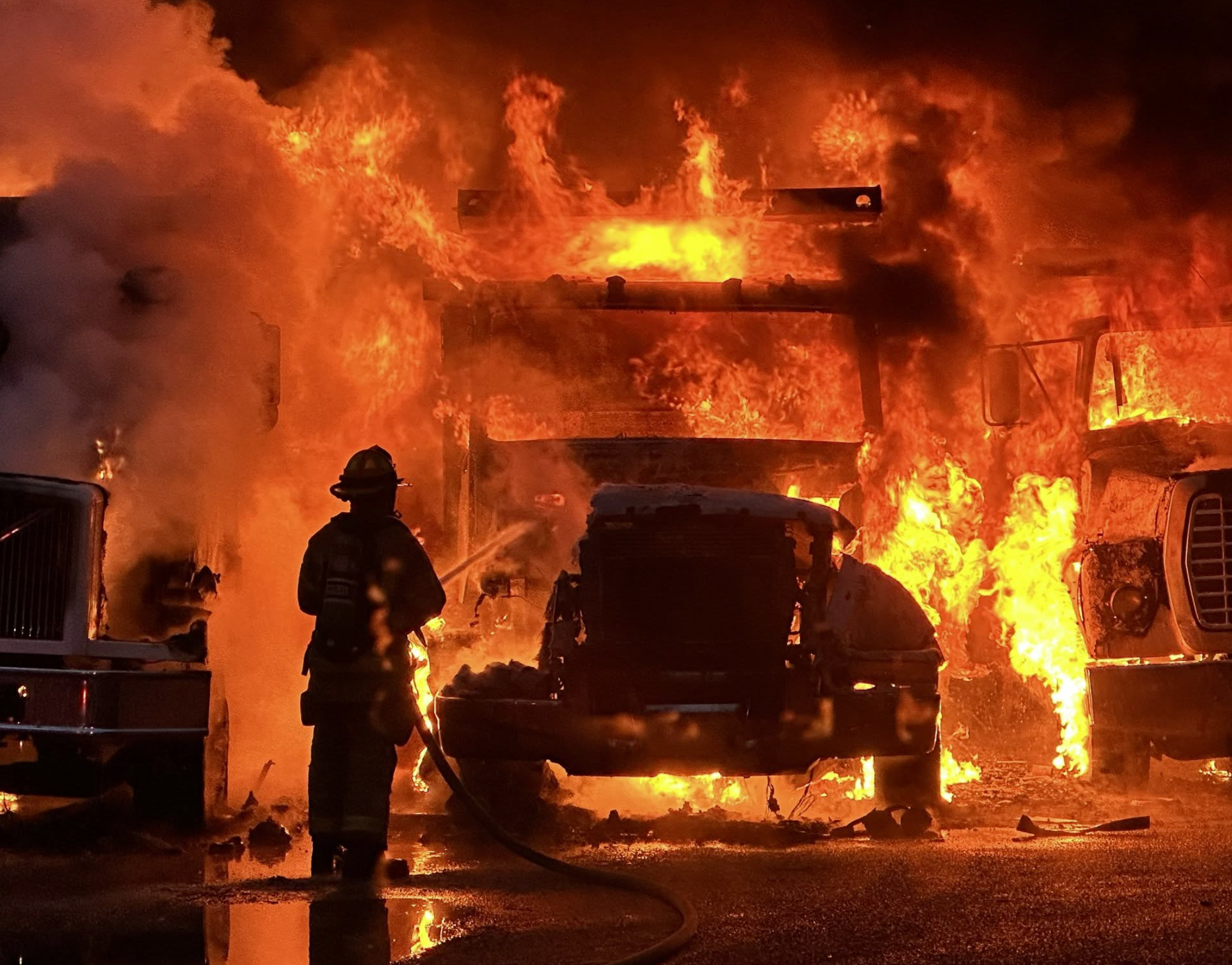
How to Prevent Battery Fires in Garbage Trucks: A Practical Guide for Waste Haulers
Every waste hauler understands that a garbage truck fire can quickly turn into a dangerous and costly emergency. While mechanical failures and hot loads still occur, one hazard ha…
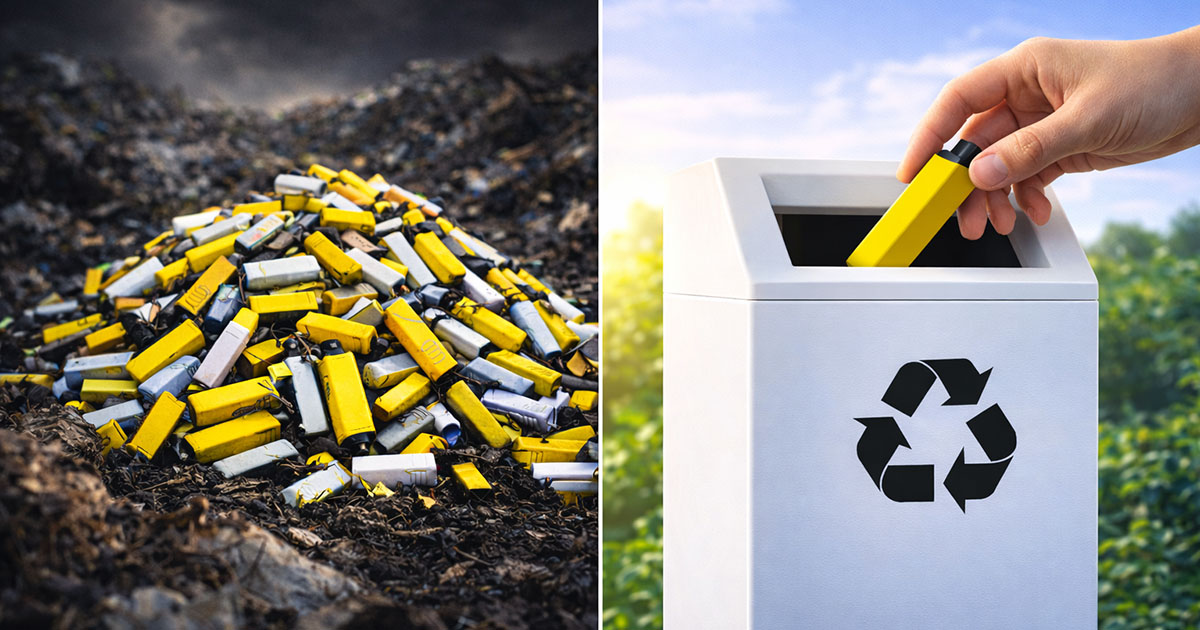
Your Truck Is One Battery Away From a Fire: Here's Where It Should Go Instead
Lithium-ion batteries are turning up more and more often where they don't belong: household trash bins, recycling carts, and eventually collection trucks and sorting facilities. W…

Lithium Batteries Are Lighting Up Routes. The Industry’s Out of Excuses
At the Waste Leadership Summit, operators said the fires are getting worse, not better. Here’s what that means for routes, contracts, and capital buys.