What Actually Happens After Your Trash Truck Drives Away
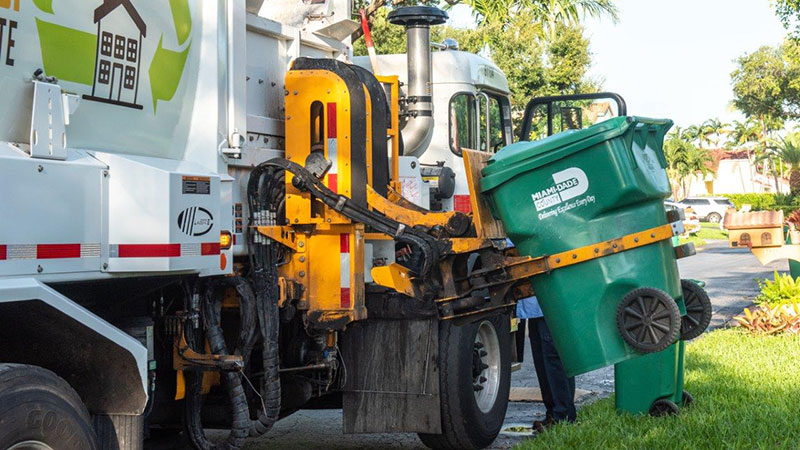
Every week, millions of garbage trucks collect waste from homes and businesses across the country. Once the truck disappears around the corner, most of us never think about it again.
But that load of trash is only beginning its journey.
Before it reaches its final destination, it may be weighed, transferred between vehicles, inspected, sorted, recycled, or transported dozens of miles to a landfill. Behind every pickup is an industry that keeps communities clean, protects public health, and moves millions of tons of material every day.
So what actually happens after your trash truck drives away? Let's follow the journey.
Step 1: The Route Continues
Just because your trash has been collected doesn't mean the truck is finished for the day.
A single garbage truck may service hundreds of homes or dozens of commercial customers before it reaches capacity. Drivers follow carefully planned routes designed to maximize efficiency, reduce fuel consumption, and keep neighborhoods running on schedule.
Throughout the day, crews navigate traffic, construction, weather, and unexpected obstacles while safely operating vehicles that can weigh more than 50,000 pounds when fully loaded.
Only once the truck is full does the next stage begin.
Step 2: Where Does the Trash Go?
Contrary to popular belief, many garbage trucks don't drive directly to a landfill.
Instead, they head to a transfer station.
A transfer station acts like a hub for waste. Collection trucks unload their waste into a central facility, where it's consolidated into much larger trailers capable of hauling significantly more material.
Why does this matter?
Collection trucks are designed for frequent stops through neighborhoods—not long highway trips. By transferring waste into larger trailers, companies reduce fuel costs, improve efficiency, and allow collection trucks to get back on their routes faster.
In areas located close to a landfill, trucks may skip the transfer station altogether and unload directly at the disposal site.
Step 3: Every Pound Is Accounted For
Before any waste is unloaded, the truck usually stops at a scale.
The entire vehicle is weighed when it enters the facility.
After unloading, it's weighed again on the way out.
The difference between those two measurements tells operators exactly how much waste was delivered.
These weight records are more important than most people realize. They help companies calculate disposal costs, bill commercial customers, monitor operations, and comply with environmental reporting requirements.
Every load has a paper trail.
Step 4: Not Everything Ends Up in the Same Place
Many people assume that everything collected by a garbage truck ends up buried in a landfill.
In reality, what happens next depends on the type of material.
Some loads are transported to modern engineered landfills, where waste is carefully managed to protect groundwater and capture landfill gas.
Recyclable materials travel to material recovery facilities, where machines and workers separate paper, cardboard, plastics, metals, and glass.
Organic waste collected through composting programs is processed into nutrient-rich compost instead of being buried.
Some communities even send waste to waste-to-energy facilities, where non-recyclable material is converted into electricity.
Your trash's final destination depends on what you throw away, and how your local waste system is designed.
Step 5: The Truck Doesn't Stop Working
Once the waste has been unloaded, the truck's day often isn't over.
Depending on the schedule, it may head back out to complete another route, refuel, receive maintenance, or be cleaned before the next day's collections.
Behind the scenes, dispatchers monitor routes, mechanics keep fleets on the road, customer service representatives assist residents, billing teams process accounts, and landfill operators manage thousands of tons of incoming material.
It takes an entire team to make sure your trash disappears without you having to think twice about it.
Why the Waste Industry Matters More Than Most People Realize
Waste collection is one of those services that's easy to overlook—until it stops.
If garbage wasn't collected for even a few days, neighborhoods would quickly experience overflowing bins, unpleasant odors, increased pests, and growing public health concerns.
Every week, thousands of professionals work together to keep cities clean, businesses operating, and communities healthy.
It's a massive logistical operation that combines heavy equipment, environmental science, transportation, customer service, and increasingly, advanced technology.
Most of us only spend a few seconds taking our trash to the curb.
The people who collect it spend every day making sure it gets where it needs to go safely and responsibly.
The Next Time Your Trash Truck Drives Away...
Remember that your trash isn't simply disappearing.
It's beginning a carefully coordinated journey involving drivers, dispatchers, transfer stations, recycling facilities, landfills, mechanics, customer service teams, and countless others working behind the scenes.
The waste industry is one of the most essential services in modern society, yet it's also one of the least understood.
At Bond4Waste, we believe that understanding how the industry works is the first step toward appreciating the people who keep it moving.
Because after the truck drives away, the real work is only just beginning.
Related reading

Freedom Comes With a Cleanup Crew: The Hidden Work Behind America's Biggest Holiday
Every Fourth of July ends the same way. The fireworks fade. The grills cool down. The crowds head home. And then the cleanup begins. While millions of Americans celebrate Independ…

Where Does Your State Rank in America’s Waste Management System?
The 3 Tiers of Waste Intelligence in the United States Waste management in the United States is not evenly distributed. Some states are beginning to operate like modern logistics…
This Labor Day, Thank the People Who Do One of the Most Crucial Jobs in America.
Labor Day exists because workers demanded it. In 1882, ten thousand of them walked off the job in New York City and marched from City Hall to Union Square, unpaid, to say their wo…