When the Landfill Goes Down: Disposal Disruption Planning for Haulers
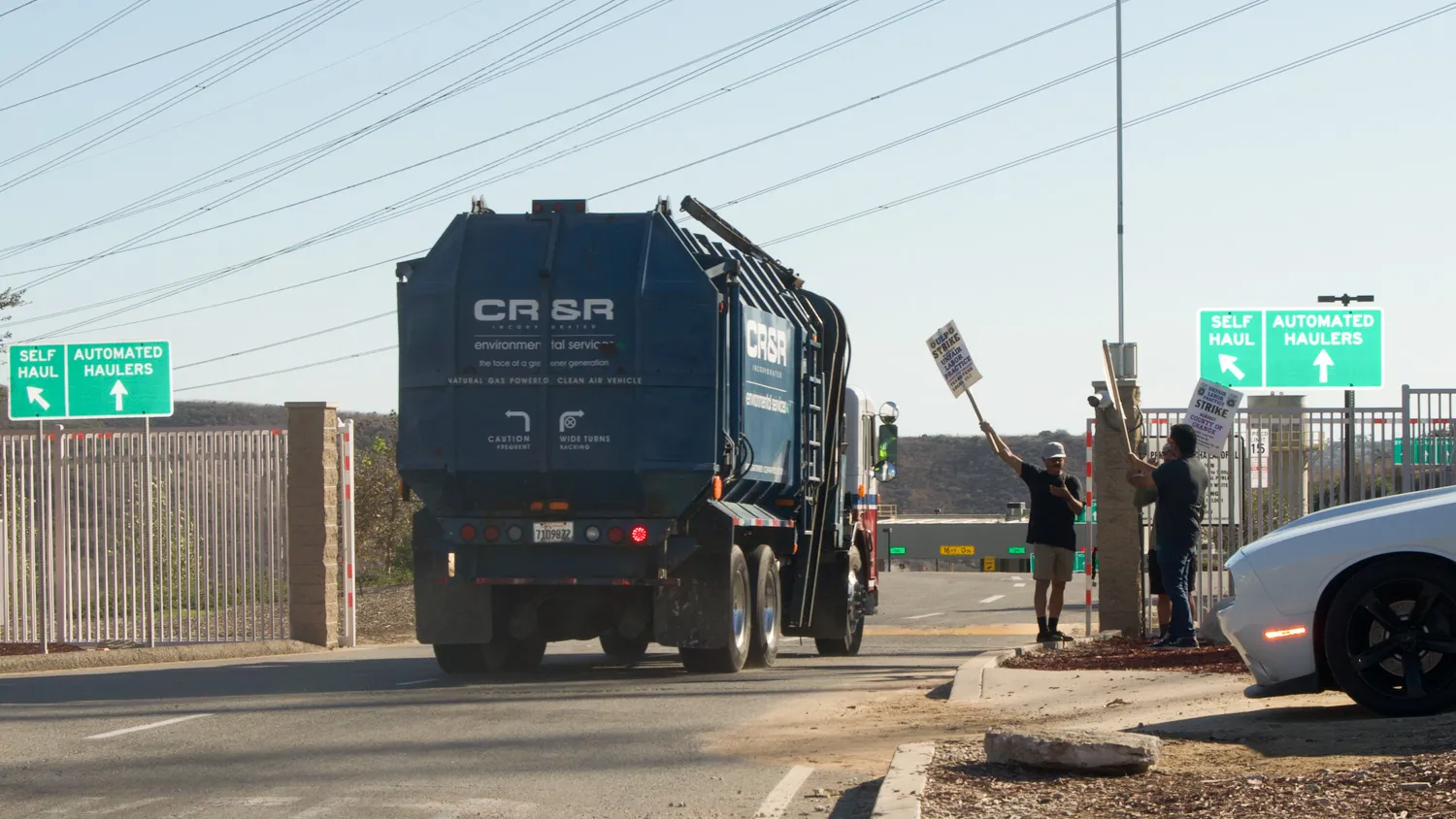
On October 13, public-sector workers represented by Teamsters Local 952 went on strike in Orange County, California, according to Waste Dive. The union represents more than 465 county workers, including landfill operations staff, and says the strike could affect operations at three county-operated landfills. The county says it has contingency plans to limit disruptions. The contract expired June 25, and talks have stalled.
The same week, Harris County, Texas filed a federal lawsuit seeking to close and cap the Hawthorn Park Landfill near Houston, reported by Waste Dive. WM, whose subsidiary operates the site, does not comment on pending litigation and says the landfill is still accepting materials.
These are different stories in different states. For a hauler, they point to the same question: what is your plan if the place you take your trucks becomes unavailable or unreliable?
Why this matters to your operation
Disposal is the one part of your route you do not control. A labor action, a weather event, a permit dispute, a scale outage, or a closure can send your trucks somewhere else with little notice. Every extra mile adds fuel, driver hours, overtime, and missed service windows.
Most haulers can name their primary disposal site. Far fewer can say, without looking, where trucks go if it closes tomorrow morning.
Build the contingency before you need it
Name a primary and a backup for every route. Identify at least one alternate facility for each service area, along with its hours, accepted materials, and tipping fee. Confirm that your account is already set up there.
Get the paperwork done in advance. Credit applications, approved waste profiles, and customer accounts take time. Do them when nothing is wrong, not during a disruption.
Price the detour. Calculate the added drive time and cost per route if trucks go to the backup site. That number tells you how long you can absorb the disruption and when a temporary surcharge conversation with customers or municipalities becomes necessary.
Check your contracts. Review municipal and commercial agreements for language on changes in disposal location, force majeure, and fuel or disposal cost pass-throughs. Know what you can and cannot adjust.
Plan the driver side. Longer hauls change shift lengths. Make sure dispatch knows hours-of-service limits and has a plan for splitting routes or adding a relief driver.
Prepare the customer message. If service times slip, customers want a short, clear explanation and an expected timeline. Write the template now so dispatch is not drafting it at 6 a.m.
Test the plan once
A backup site on paper is not the same as a backup site that works. Send a truck on a trial run during a slow period. Check the scale hours, the queue time, the gate process, and how long the round trip really takes. You will find out whether your driver app, tickets, and billing handle a new facility before it matters.
Do not forget the transfer and processing side
The same thinking applies to transfer stations and MRFs. If a facility goes down for repairs, a labor issue, or a capacity limit, your inbound recycling and organics have to go somewhere too. Ask each facility how it handles a shutdown and what notice it gives haulers.
Watch the early signals
Disruptions rarely come without warning. Contract expirations, stalled negotiations, pending litigation, permit hearings, and capacity limits at a site are all visible in advance. Assign someone to track the facilities you rely on and review the list each quarter.
Key Takeaways
Your disposal site is a single point of failure, and the news this month is a reminder. The haulers who handle a disruption well are the ones who already know their backup site, have the account paperwork done, and have priced the detour. Do that work while the scale is still open.
Related reading

Texas Moves to Shut a WM Landfill as Amarillo Probes Fire — Disposal Risk Just Got Real
A Texas county is suing to close a WM-operated landfill near Houston while Amarillo investigates a landfill fire. For haulers and MRFs, this isn’t background noise — it’s a flashing red light on capacity, routing, and compliance risk.

The Northeast’s Disposal Cliff: Haulers Need a Plan B (and C) Now
NEWMOA is warning of significant disposal capacity loss just as the Northeast is already exporting more than a quarter of its waste. If you’re not locking in transfer options, rail, and contract protections, you’re about to be a price taker.

Incinerator Rules Back in Court: What a Tighter LMWC Standard Would Do to Your Disposal Map
A new lawsuit aims to push EPA’s just-finalized waste-to-energy emissions rule further. Whether it wins or just drags on, haulers and municipalities need a Plan B for capacity, pricing, and routes now.