The Big Four Raised Prices 6% and Lost Volume. What Q3 Earnings Mean for Every Other Hauler.
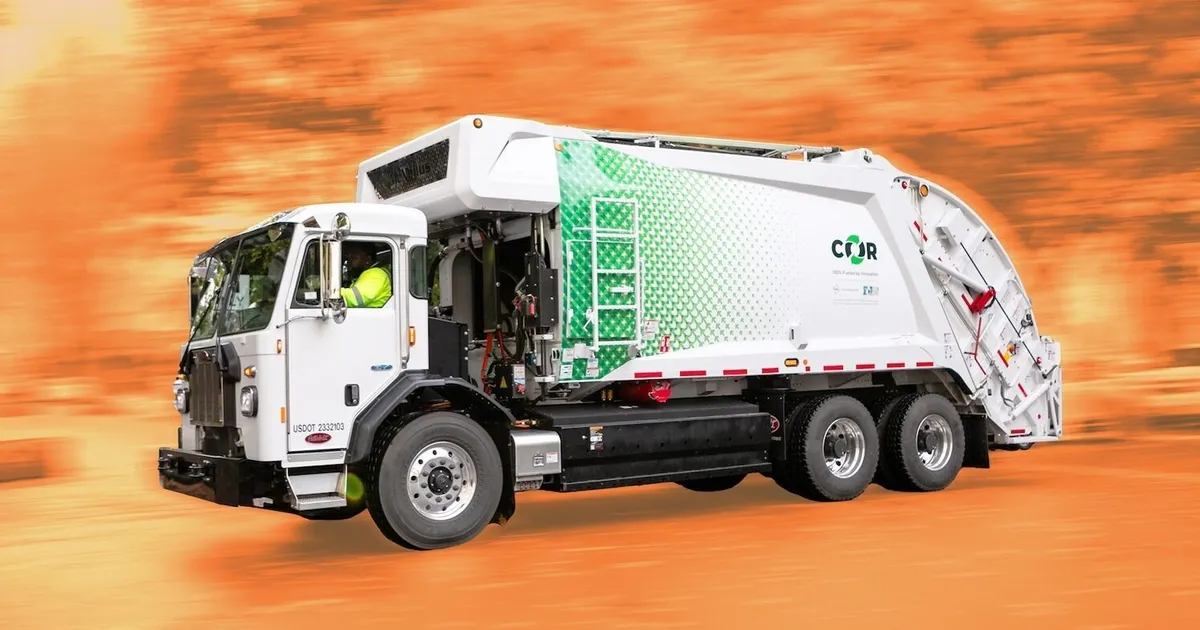
The third-quarter numbers are in, and the pattern is hard to miss. WM posted core price of 5.8% while collection and disposal volume slipped 0.4%. Republic Services reported core price of 6.3%, and more than 8% once fuel recovery fees are included. Waste Connections and GFL both raised full-year guidance, according to Waste Dive's Q3 earnings roundup.
Price is doing the work. Volume is not. We think that gap is the most important competitive signal in the industry right now, and it matters most if you are not one of the national names.
What the publics are actually doing
WM told investors it is continuing to shed lower-margin residential business, and it also lost commercial volume tied to national account brokers. Revenue still rose 6.25% to $6.84 billion, with adjusted operating EBITDA up 5.8%, per Waste Dive's WM report.
Republic's adjusted EBITDA margin was 31.8%. GFL called its 31.5% margin the highest in company history. Waste Connections credited AI-driven pricing tools with helping retain customers during increases, and Republic described setting prices around customer lifetime value rather than in-year gains, according to Waste Dive's diesel and pricing coverage.
The strategy is consistent: raise price selectively, recover fuel quickly, and let the least profitable accounts walk.
Where those accounts go
Every customer that a national player prices out or deprioritizes has to land somewhere. Some will accept the increase. Some will go to a regional or local hauler. That is an opportunity for independents, but it is a risky one if you take the work without checking the economics.
Our position: win the accounts the big players decline, but only at a real margin.
Here is how we would approach it.
Know why the customer is leaving. A customer shed for low density, poor route fit, or payment history is different from one that simply balked at a 7% increase. Ask before you quote.
Price off your own cost per stop. National pricing models are tuned for national networks. Yours should be built on your trucks, your disposal costs, and your drive time. If you cannot say what a stop costs you, you cannot say whether a win is a win.
Do not copy their surcharge structure blindly. Republic's fuel recovery programs are expected to account for about $150 million of its roughly $200 million projected revenue increase. Diesel jumped from about $5.50 to over $6.30 a gallon in mid-September, and surcharges lag spikes. Make sure yours is indexed, transparent, and reviewed on a schedule.
Sell service, not just price. The publics are leaning on pricing tools. Independents can win on response time, a real person answering the phone, and flexibility on pickups. Those things hold accounts when price gaps narrow.
The risk of chasing volume
Fuel is still the swing factor. WM's CFO expects diesel a little over $5.50 for the rest of the year, and an analyst estimate cited by Waste Dive suggests a further $25 million cost for WM if prices hold near $6.30. GFL's CEO said, "We're all in the same boat." Independents have less cushion in that boat.
Taking on thin-margin routes at a time when disposal, labor, and fuel costs are all elevated can leave you busier and poorer. Growth that does not clear your cost of service is just activity.
What to watch next
Q4 will show whether fuel recovery lag drags on margins, and whether the publics keep trading volume for price. Watch your own churn and win rates by segment. If customers that left a national hauler are staying with you after the first price review, you have found a real niche. If they are leaving again, you priced to win rather than to keep.
Our position
National haulers are choosing margin over volume, and they are telling you so in their earnings calls. Independents can benefit, but only by pricing from their own costs and holding the line on accounts that do not pay. Take the volume that fits. Pass on the rest.
Related reading
Waste Industry M&A Just Hit a New Gear: What Record 2026 Consolidation Means If You're Still Independent
The publicly traded haulers just finished reporting second-quarter earnings, and the story underneath the numbers is consolidation moving faster than anyone projected. Republic Se…
Diesel at $6.35 a Gallon: A Fuel Recovery Check for Haulers
The U.S. average for on-highway diesel hit $6.352 per gallon the week of Oct. 26, up about 8 cents from the prior week and $2.634 above where it stood a year ago, according to the…
GFL's Nov. 9 Deadline and What Hauler Consolidation Means for Independents
Bidders looking to take GFL Environmental private have until Nov. 9 to submit final offers, the company disclosed with its Q3 earnings release, trade press reported . A special co…