Diesel at $6.35 a Gallon: A Fuel Recovery Check for Haulers
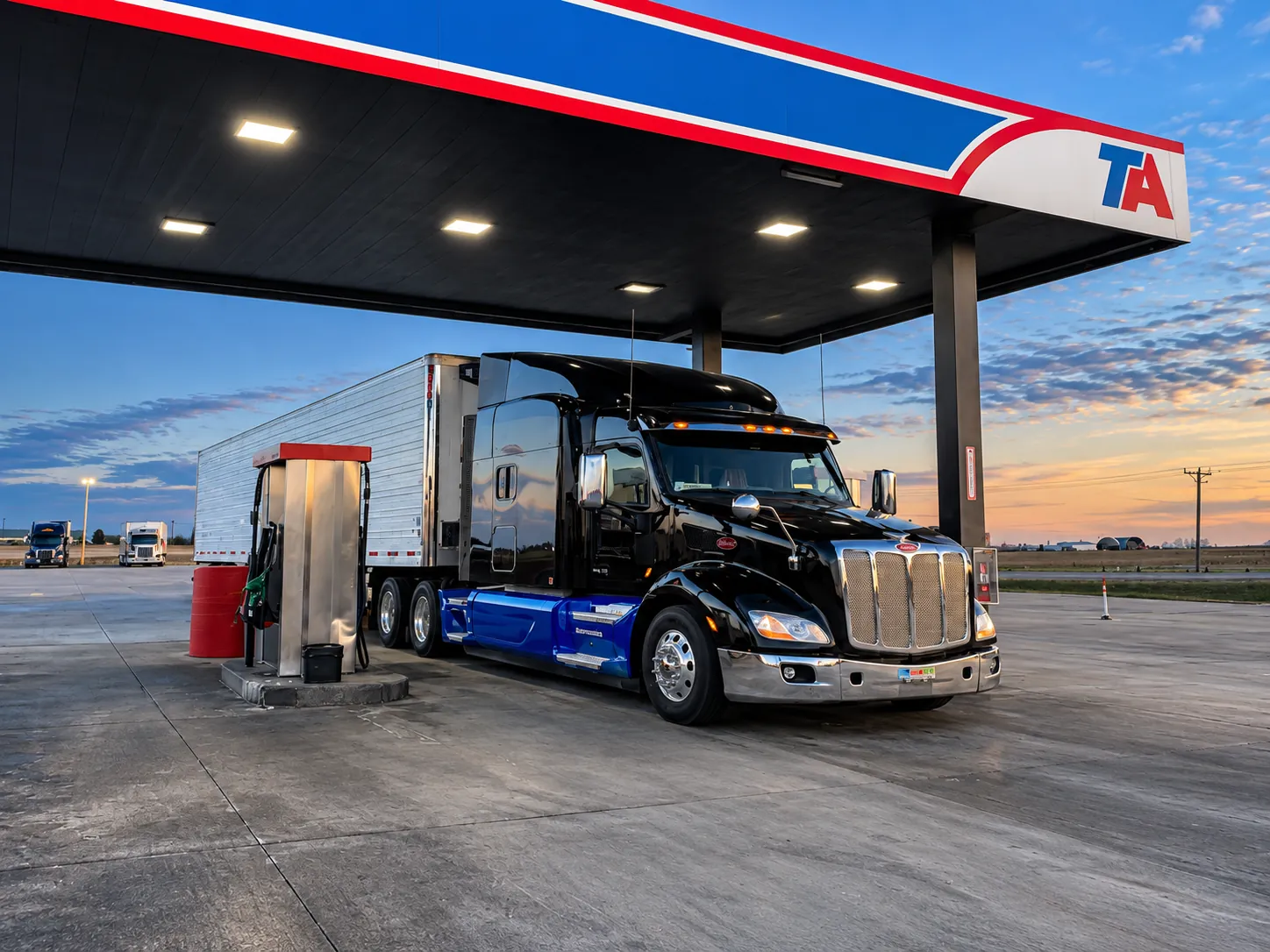
The U.S. average for on-highway diesel hit $6.352 per gallon the week of Oct. 26, up about 8 cents from the prior week and $2.634 above where it stood a year ago, according to the U.S. Energy Information Administration. That is roughly a 70% jump in twelve months.
If your fuel recovery fee was built for a $3.70 world, it is probably leaking margin right now.
Why this matters to haulers
Fuel is now showing up in public company earnings. On its Q3 call, Waste Connections said a late-quarter surge in diesel prices cost it about 30 basis points of EBITDA margin, according to Waste Dive. Management also said it has been recovering higher fuel costs faster than expected through fuel and material surcharges, and that fuel is likely to remain a headwind if prices stay elevated.
One detail deserves attention from independents: the same report noted that in some markets, competitors may not have imposed fuel surcharges. A large operator can absorb a quarter of squeezed margin. A 12-truck hauler usually cannot.
Five checks to run this week
1. Compare your fuel recovery fee to actual fuel spend
Pull your last 90 days of fuel receipts and your fuel surcharge revenue. If the gap widened in October, your fee formula or its adjustment schedule is the problem, not your drivers.
2. Know how often your index resets
A surcharge tied to a published index only helps if it moves when the index moves. Monthly resets lag a fast climb. Check whether your schedule uses the weekly EIA figure, a monthly average, or a fixed tier table last updated years ago.
3. Read the fuel language in every contract
Commercial agreements, roll-off contracts and municipal franchises treat fuel differently. Some allow automatic adjustments, some require notice, and some cap increases. Sort your book into those three buckets so you know where you can move today and where you need paper.
4. Put a dollar figure on a gallon
As an illustration only, a truck burning 30 gallons a day pays about $79 more per day than it did a year ago at today's price gap. Across 250 working days, that is nearly $20,000 per truck. Use your own gallons-per-route-day numbers to see what the gap means for your fleet.
5. Look at what you control
Fuel price is outside your hands. Idle time, route sequencing, dump-run distance and half-empty trips are not. Review your highest-mileage routes first, since small changes there carry the most savings per gallon.
Communicate the change plainly
Customers accept fuel surcharges more readily when the formula is simple and the reason is stated. A short note citing a public index and the effective date does more than a vague "cost adjustment." Waste Connections' CFO described the company's approach to pricing as "smart, selective price increases," and the same discipline applies at any size: be specific about who is affected and why.
Remember too that fuel is not the only line moving. The Waste Connections call also pointed to rising costs for parts, materials and repairs, which means fuel recovery alone may not close the gap.
Watch the calendar, not just the pump
Diesel moves weekly, and the EIA publishes a new national figure every Tuesday. Build a standing habit: check the number, compare it to the figure your surcharge was last set against, and note the gap. If the gap exceeds the threshold your contracts allow, that is your trigger to act.
Smaller operators also have an advantage large networks lack. You know your customers by name. A direct call explaining a fuel adjustment, before the invoice shows up, preserves goodwill and reduces disputes.
Key Takeaways
Diesel at $6.35 is a margin problem you can measure this week. Audit the fee against actual spend, confirm how often it resets, and know which contracts let you adjust. The haulers who recover fuel costs quickly will protect margin. The ones who wait for the next annual rate review will be paying for it out of pocket.
Related reading

Fuel Shock, Again: A 56% Gas Price Jump Puts Haulers on the Clock
A rapid run-up in pump prices isn’t just a consumer story. It rewrites route economics, tests fuel-surcharge math, and accelerates the fleet transition timeline for haulers and recyclers.

EPA moves to end DEF derates — here’s what that could unlock for waste fleets
If EPA follows through on scrapping DEF-related engine derates, waste fleets could claw back a painful chunk of lost uptime — and recalibrate how they staff, dispatch and spec trucks. The proposal isn’t final, and California may chart its own course, but the operational stakes are real.

Hydrogen ‘Boosters’ for Diesel Fleets: Clean Smoke, Dirty Math
Vendors are pitching on‑board hydrogen injection as an emissions fix for diesel trucks. For waste haulers, the visuals mislead — and the carbon math doesn’t pencil.