WM Is Testing Autonomous Landfill Equipment. Here's What It Means If You're Not WM
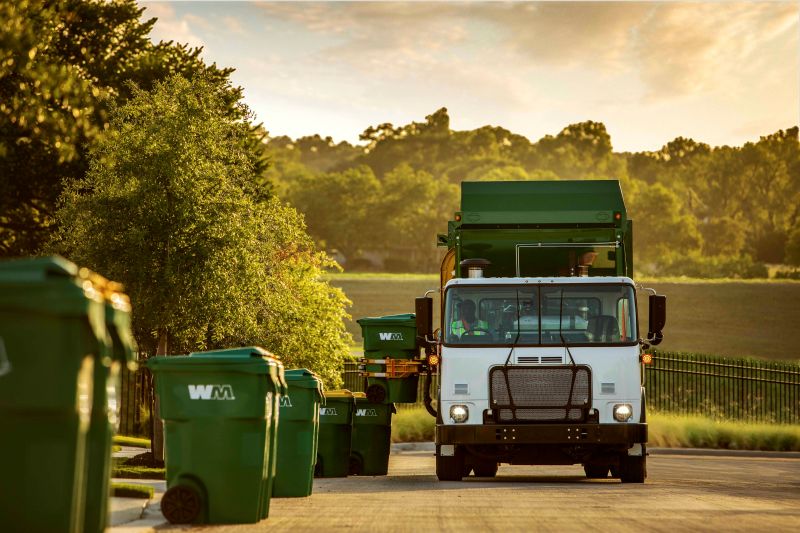
Waste Management just became the first company in the solid waste industry to put a bulldozer under remote control on an active landfill. WM announced this month that its pilot of Caterpillar's Cat Command remote control technology at its Marana, Arizona landfill went well enough that the two companies are moving to the next phase: testing a Caterpillar built autonomous landfill compactor (WM newsroom, Aug. 3, 2026). An operator now runs the dozer from a climate controlled station off the working face, using a 360 degree camera view instead of sitting in the cab fighting dust and visibility around an active tipping area.
If you run a 10 truck hauling operation or a regional MRF, you're not buying autonomous compactors next quarter. That's not really the point. The point is what this pilot tells us about where the industry's capital is flowing. WM didn't spend R&D dollars on this because it looked good in a press release. It spent them because landfill equipment operation is one of the more dangerous, expensive, and hard to staff jobs in solid waste, and pulling the operator out of the hazard zone while improving uptime pays for itself. When the largest player in the industry places that kind of bet, it's a signal about where the rest of the market eventually goes, and how fast.
The safety case is the real headline. Landfill equipment work means heavy machinery operating in low visibility conditions around an active face, with dust, debris, and unpredictable footing underneath. Struck by and rollover incidents involving heavy equipment remain a persistent driver of serious injuries in solid waste, consistently one of the more dangerous industries the Bureau of Labor Statistics tracks. Moving the operator off the machine and into a control station doesn't just cut fatigue, it takes a person out of the highest risk zone on the site entirely.
This is a capital play only a company WM's size can make right now. Cat Command deployments, dedicated connectivity at the site, and a multi-year co-development partnership with Caterpillar aren't line items in a regional hauler's budget. That's the honest read: this generation of landfill automation stays concentrated at the top of the market for a while, the same way route optimization algorithms and AI assisted pricing did a decade ago, before they became standard software available to a 15 truck operation.
That trickle-down has already happened once, and it's happening again in the back office. The place independents can compete right now isn't the working face of a landfill, it's everywhere paper and manual data entry still create the same problems WM is solving with hardware: exposure, error, and downtime. A driver hand keying a scale ticket, or an office manager re-entering a dump ticket into QuickBooks, is doing a manual, error-prone task for the same underlying reason a landfill operator used to sit in the cab: because nobody built the system to do it another way yet. That system exists now, and it doesn't require a partnership with Caterpillar to install.
A few places to start:
Digitize scale and dump tickets at the point of capture. OCR that reads a paper ticket the moment it's issued removes the re-keying step where errors and billing disputes usually start.
Track route adherence and stop timing automatically. The same visibility WM gets from a 360 degree camera on a dozer, your dispatch team can get from GPS and geofenced stop data on every truck.
Centralize billing against actual disposal costs. If your invoicing doesn't reconcile against real scale weights and fuel surcharges without a spreadsheet in between, that's the same blind spot WM just paid to eliminate on the landfill floor.
Our position: Automation in solid waste doesn't have to mean a seven figure equipment pilot. WM's landfill test is a genuine step forward for the industry's biggest operator, and it's worth watching closely over the next year. But the more immediate opportunity for independent haulers and MRFs is the automation that's already affordable: getting scale tickets, dispatch, and billing off paper and spreadsheets and into a system that catches errors before they cost you money. That's the version of "landfill of the future" thinking most operators can act on this quarter, not this decade.
Bond4Waste's dump ticket OCR captures scale and disposal data automatically, so your billing reconciles without manual re-entry. See how it works.
Related reading

WM puts sustainability at the controls: What Tara Hemmer’s COO move means for ops
WM didn’t just fill a seat—it put a sustainability-minded operator in charge of the machine room. Expect tighter specs, faster automation, and contract terms that reward quality and verifiable performance.

AI-Powered Dumpster Monitoring Is Cutting Costs—Here’s How
We’re watching a quiet shift in solid waste: AI is taking the lid off containers—literally. With smart dumpsters, IoT waste sensors, and computer vision, operators are replacing f…
Waste Industry M&A Just Hit a New Gear: What Record 2026 Consolidation Means If You're Still Independent
The publicly traded haulers just finished reporting second-quarter earnings, and the story underneath the numbers is consolidation moving faster than anyone projected. Republic Se…