Inside UNGA 2026: Sustainability, AI and the Future of a Changing World

The following is a firsthand account from Bond4Waste’s Outreach Director, who was in New York during the 2026 United Nations General Assembly.
There is something different about New York during UN General Assembly week.
You can feel it before you ever reach the United Nations.
The streets are buzzing. Delegations move between hotels, conference centers and side events. Colorful traditional outfits from around the world stand out against the usual sea of Manhattan black. Diplomatic vehicles are everywhere. Police officers seem to be on every block. Security checkpoints and road closures become part of the daily routine.
And around the United Nations Headquarters, the city takes on an entirely different rhythm.
Some streets are restricted. Others are completely locked down. You find yourself walking an extra few blocks simply to get around a security perimeter. At the same time, just outside those restrictions, thousands of people are moving in every direction for meetings, receptions, panels, climate events and countless conversations happening on the sidelines.
It is controlled chaos.
And that is part of what makes UNGA so fascinating.
The 81st session of the United Nations General Assembly brought together leaders, diplomats, businesses, researchers, nonprofits and civil society organizations around some of the biggest challenges facing the world. The official theme this year was “Restoring trust, managing transformation: A United Nations that delivers for all.”
But beyond the formal speeches inside the UN, there was an enormous amount happening throughout New York.
The UNGA conversation goes far beyond the General Assembly
One of the most interesting parts of UNGA is everything happening around it.
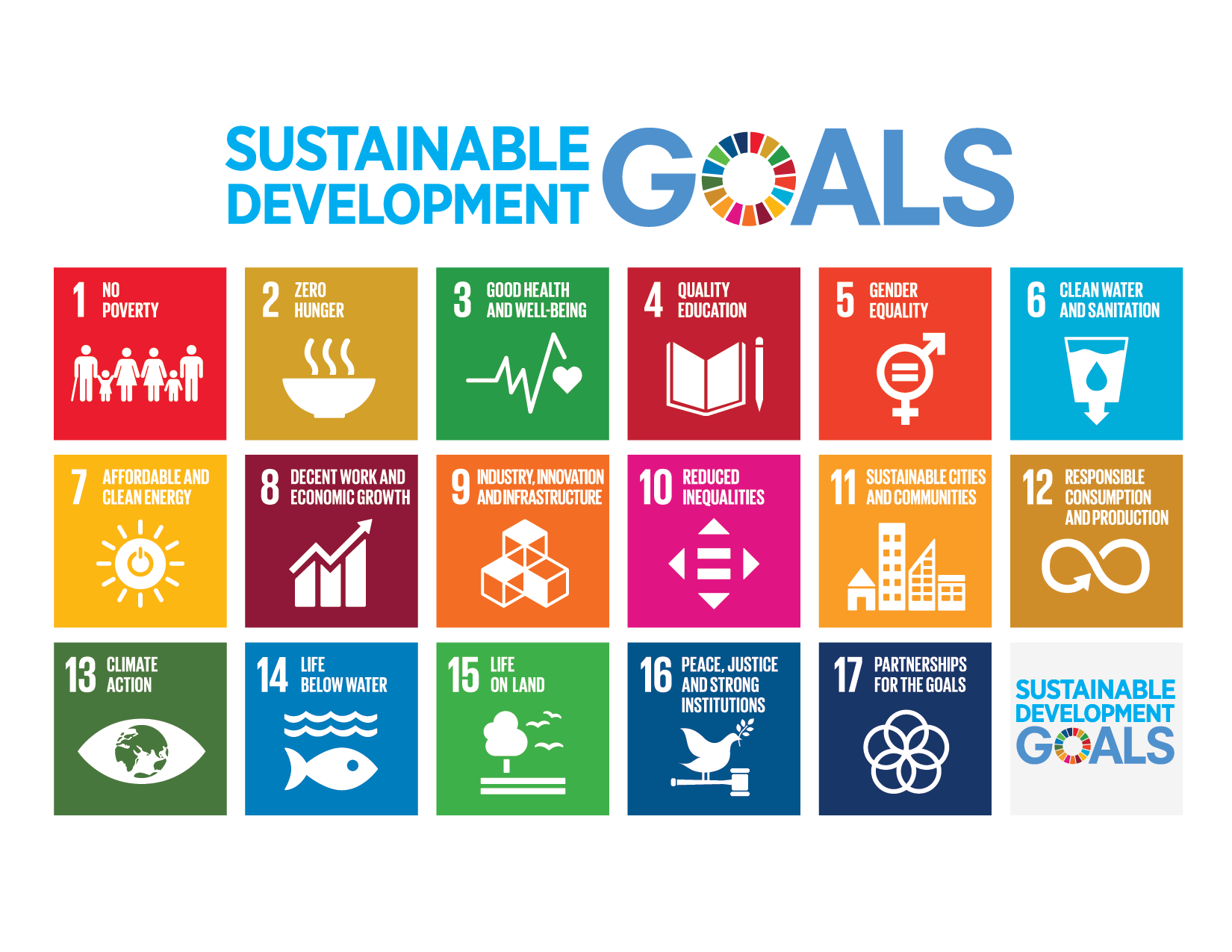
The official program included the SDG Moment, the SDG Media Zone, a high-level climate event, discussions on sea-level rise, pandemic preparedness and other issues connected to sustainable development. The UN also hosted the Goals Lounge, where participants could engage in conversations and interactive experiences around the Sustainable Development Goals.
Then there were the hundreds of side events happening across Manhattan.
These smaller gatherings bring together people who might not otherwise sit in the same room: technology companies, environmental organizations, investors, academics, government officials, entrepreneurs and community leaders.
This year, many of those conversations circled around a common question:
How do we actually turn big global goals into practical action?
That question matters enormously when it comes to sustainability.
The Sustainable Development Goals are now approaching their 2030 deadline, putting renewed attention on how governments, businesses and communities can accelerate progress on climate, sustainable cities, responsible consumption, resilient infrastructure and other areas.
Climate action and the energy transition were prominent parts of the official agenda. A high-level event focused specifically on climate action and a just transition, while another addressed the growing threat of sea-level rise.
But there was another topic that seemed impossible to escape.
Artificial intelligence.
AI was everywhere
AI was not simply a technology conversation happening in a technology room.
It was being discussed in the context of economic development, human development, governance, climate, data and the future of work.
The UN held programming specifically focused on AI and human development, including the launch of a new report examining how AI is reshaping communities, culture and human development.
The UN's Global Dialogue on AI Governance also continued its work on how the international community can approach the rapid development of artificial intelligence.
And that was one of the most interesting takeaways from being there:
AI is no longer being treated as a niche technology topic.
It is increasingly part of conversations about how societies function.
That includes sustainability.
What does AI have to do with sustainability?
A lot.
Sustainability is ultimately about using limited resources more intelligently.
That means knowing where resources are going, understanding where waste is being generated, identifying inefficiencies and making better decisions with the information available.
And this is where the UNGA conversation connects directly to what we are building at Bond4Waste.
Waste management generates enormous amounts of data.
Routes. GPS information. Scale tickets. Facility data. Service records. Photos. Customer calls. Contracts. Contamination information.
Historically, much of that information has remained fragmented across different systems.
AI creates an opportunity to turn that data into something much more useful: operational intelligence.
Instead of simply recording what happened yesterday, AI can help waste organizations identify patterns, flag potential problems and understand where their operations can become more efficient.
That could mean identifying inefficient routes.
Spotting potential under-billing.
Understanding the true cost of servicing customers.
Detecting recurring contamination problems.
Improving service reliability.
Or helping communities respond more quickly to illegal dumping.
The larger sustainability conversation at UNGA is about moving from commitments to measurable action.
That same principle applies to waste.
Sustainability needs better data
One thing that stood out to me during UNGA was how often conversations about the future eventually came back to implementation.
It is one thing to establish a sustainability goal.
It is another to measure whether you are actually making progress toward it.
And that is where technology becomes increasingly important.
A city cannot improve what it cannot see.
A waste company cannot efficiently manage thousands of routes without understanding what is happening across those routes.
A recycling operation cannot meaningfully reduce contamination without identifying where and why it is happening.
And a sustainability strategy becomes much more powerful when organizations can connect goals to real-world operational data.
That is the opportunity AI presents.
Not technology for technology's sake.
Technology that helps people make better decisions.
Leaving UNGA with one big takeaway
Walking through New York during UNGA, it is easy to be overwhelmed by the scale of everything happening around you.
The flags.
The security.
The delegations.
The side events.
The packed streets.
The thousands of conversations taking place simultaneously.
But underneath all of it is a fairly simple question:
How do we build a more sustainable future in a world that is changing faster than ever?
In 2026, AI is clearly becoming part of that conversation.
For Bond4Waste, that connection is especially relevant.
The future of sustainability will not only depend on setting ambitious goals. It will also depend on having the data, technology and operational intelligence to turn those goals into action.
And sometimes, the biggest sustainability opportunity is hiding in something as ordinary as a garbage truck route.
That is where AI can make a difference.
Related reading
UNGA 2026 and the Sustainability Goals: It’s Time to Talk About Waste
Every September, the world’s attention turns to New York as leaders gather for the United Nations General Assembly. This year, as UNGA 2026 brings renewed focus to the Sustainable…

An Open Letter to Mayor Zohran Mamdani: 7 AI Ideas to Modernize New York City's Trash Collection
Dear Mayor Mamdani, Bond4 works on AI systems for modern waste management, focused on helping cities move from reactive cleanup to more predictive, data-driven operations. Your “B…

What Makes a City Feel Clean? Why the Future of Clean Streets Is Powered by AI
You know a clean city when you see one. The sidewalks are clear. Public bins aren't overflowing. Illegal dumping is rare. Parks are well maintained. But what most people don't rea…