The Hidden Health Hazard Affecting Thousands Every Year: Asbestos
Editor's Note: This article was developed with reference to the Asbestos Products Guide published by Lanier Law Firm. Their resource provides a comprehensive overview of products that have historically contained asbestos and the health risks associated with asbestos exposure. Bond4Waste's article focuses specifically on the waste management, compliance, and operational implications of asbestos in today's waste stream.
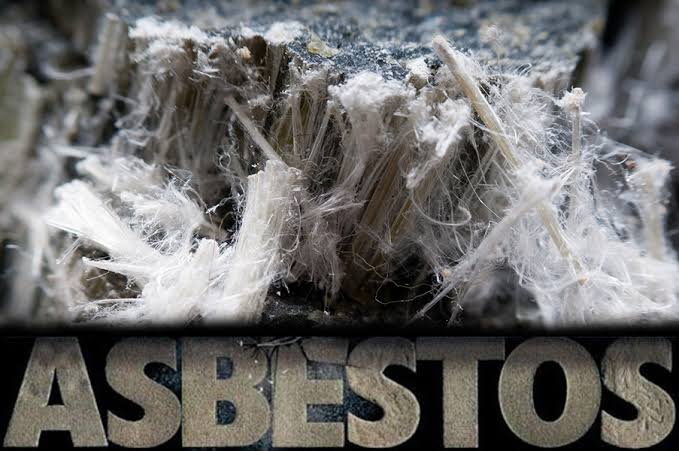
Asbestos is a naturally occurring mineral made up of tiny, durable fibers that are resistant to heat, fire, water, electricity, and chemicals. Those qualities made it one of the most widely used building materials of the twentieth century. Today, however, asbestos is recognized as a serious health hazard responsible for thousands of illnesses and deaths every year.
Although its use has been heavily restricted since the 1980s, asbestos has not disappeared. It remains hidden inside millions of older homes, schools, factories, offices, and public buildings across the United States. Every renovation, demolition, or disaster cleanup project has the potential to disturb these materials, releasing microscopic fibers into the air where they can be inhaled.
For the waste management industry, asbestos is far more than another construction material. It is one of the most heavily regulated and potentially dangerous waste streams operators encounter.
Why Was Asbestos Used So Widely?
For decades, asbestos was considered a "miracle material."
Its natural resistance to fire, moisture, heat, and electricity made it inexpensive, durable, and ideal for thousands of products used in homes, businesses, and industrial facilities. Asbestos was commonly found in:
Pipe and boiler insulation
Roofing shingles
Floor and ceiling tiles
Cement products
Fireproofing materials
Joint compounds and drywall materials
Water heaters and ductwork
Automotive brake pads and clutches
Gaskets, seals, and industrial equipment
Many of these materials remain in buildings constructed before asbestos regulations significantly limited its use, meaning they continue to enter the waste stream during renovations and demolitions today.
Why Is Asbestos So Dangerous?
The danger isn't simply that asbestos exists—it's what happens when it's disturbed.
When asbestos-containing materials are cut, drilled, broken, or demolished, they can release microscopic fibers into the air. These fibers are invisible to the naked eye and can remain airborne for hours.
Once inhaled, the fibers may become permanently trapped in the lungs and surrounding tissues. Over time, they can cause inflammation, scarring, and life-threatening diseases.
Unlike many workplace hazards, asbestos exposure often has no immediate symptoms. Someone exposed today may not become ill for 20, 30, or even 50 years.
Diseases Linked to Asbestos Exposure
Medical experts have linked asbestos exposure to several serious illnesses, including:
Mesothelioma, a rare and aggressive cancer affecting the lining of the lungs, abdomen, or heart
Lung cancer
Asbestosis, a chronic scarring of lung tissue that makes breathing increasingly difficult
Other respiratory diseases associated with long-term asbestos exposure
Because these illnesses develop slowly, many people never realize they were exposed until decades after the fact.
Exposure Doesn't Only Affect Construction Workers
Construction crews, demolition contractors, and industrial workers face some of the greatest risks, but they are far from the only people who have been exposed.
For many years, workers unknowingly carried asbestos fibers home on their clothing, boots, tools, and vehicles. Family members washing contaminated work clothes or simply spending time around exposed workers also faced risks. This "take-home exposure" has contributed to thousands of illnesses among spouses and children who never worked directly with asbestos themselves.
Why Waste Management Plays a Critical Role
Every building renovation, demolition project, or disaster cleanup eventually reaches the waste stream.
If asbestos-containing materials are improperly identified, mixed with general construction debris, or transported incorrectly, workers throughout the collection, hauling, transfer, and disposal process can be placed at unnecessary risk.
Proper asbestos management requires:
Identifying regulated materials before removal
Following approved handling procedures
Maintaining accurate documentation
Transporting waste according to regulations
Disposing of materials at permitted facilities
Failure to follow these requirements can jeopardize worker safety while exposing organizations to significant regulatory penalties.
The Compliance Challenge
Managing asbestos waste is as much a documentation challenge as it is a safety challenge.
Waste companies often oversee hundreds or thousands of loads across multiple jurisdictions, each with its own reporting requirements and regulations. Relying on paper records or disconnected systems increases the risk of errors, missing documentation, and compliance gaps.
Modern waste operations increasingly depend on digital platforms that help teams:
Capture field data in real time
Maintain complete inspection records
Track regulated waste streams
Improve reporting accuracy
Create auditable compliance documentation
Better information leads to better decisions—and safer operations.
How AI Can Help
Artificial intelligence is becoming an important tool for waste management organizations seeking stronger operational visibility and regulatory compliance.
Rather than replacing environmental professionals, AI helps organize large amounts of operational data, identify missing documentation, detect reporting inconsistencies, and surface potential compliance issues before they become costly violations.
For regulated waste streams such as asbestos, having accurate, centralized information allows organizations to respond faster, reduce administrative burdens, and improve overall safety.
How Bond4Waste Supports Smarter Compliance
At Bond4Waste, we believe protecting workers starts with better information.
Our AI-powered platform helps waste organizations centralize operational data, improve reporting, monitor regulated waste activities, and stay ahead of changing environmental regulations. Whether managing hazardous materials, construction debris, or evolving Extended Producer Responsibility (EPR) requirements, smarter data helps organizations reduce risk and strengthen compliance.
Looking Ahead
Although asbestos is no longer widely used in new construction, it remains embedded in millions of aging buildings across North America. As these structures are renovated, repaired, or demolished, asbestos will continue to enter the waste stream for decades to come.
Protecting workers and communities requires more than proper disposal. It requires accurate identification, thorough documentation, regulatory compliance, and modern technology that gives waste operators the information they need when it matters most.
The safest waste operation isn't simply the one that moves material efficiently. It's the one that ensures hazardous materials like asbestos are managed responsibly every step of the way.
Further Reading
For a more comprehensive guide to products that have historically contained asbestos, visit the Asbestos Products Guide published by Lanier Law Firm:
https://www.lanierlawfirm.com/mesothelioma/asbestos-exposure/products/
Related reading

How AI Helps Waste Companies Stay Ahead of Changing Compliance Regulations
Subtitle: From California's SB 54 to emerging EPR laws nationwide, better data is becoming the key to regulatory compliance. The waste and recycling industry has always operated u…
Battery Dumping Is Becoming a Growing Threat to Waste Operations
Most people don't think twice before tossing something into the trash. For waste collection crews and recycling facilities, however, a single misplaced item can have serious conse…
Federal Court Just Confirmed: PFAS Liability Isn't Going Anywhere for Waste Companies
On August 18, the U.S. Court of Appeals for the D.C. Circuit denied every petition challenging the EPA's rule designating PFOA and PFOS as hazardous substances under CERCLA. The N…