RCon 2026 Recap: When Battery Fires Ignite a Bigger Conversation
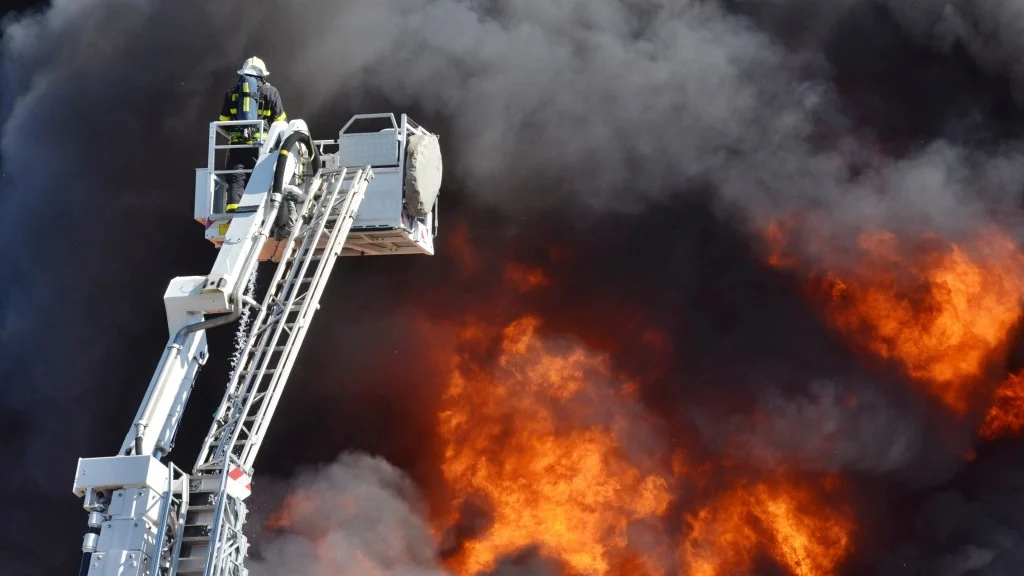
More than 1,500 waste and recycling professionals gathered in St. Louis. One message stood out: keeping the industry safe requires more than putting out fires.
St. Louis was the meeting point for the waste and resource management industry this fall. From September 29 through October 2, more than 1,500 professionals and over 200 exhibitors came together at SWANA’s RCon 2026 to discuss the challenges shaping the future of waste management.
Our Bond4Waste team was on the ground, attending sessions, connecting with industry leaders, and learning from the people managing waste operations every day.
One topic kept coming into focus: safety, especially the growing threat of battery fires.
Here are a few takeaways from the conversations and ideas that stood out to our team.
Battery Fires Are More Than a Recycling Problem
Lithium-ion batteries power everything from smartphones and power tools to e-bikes and lawn equipment. But when they end up in ordinary trash or recycling loads, they can ignite during collection, transport, or processing.
For waste operators, the consequences can be severe: damaged collection trucks, facility fires, interrupted operations, and risks to frontline workers.
Battery safety was a prominent theme at RCon, including the opening general session, Safer by Design: How Technology Is Transforming Waste Industry Safety. The discussion highlighted the role technology can play in identifying hazards earlier and helping organizations make better safety decisions.
The challenge extends beyond the recycling facility. Preventing fires requires better battery disposal, stronger public education, and coordination across the entire waste management system.
Safety Starts Before the Fire
Emergency response is essential, but preventing incidents in the first place is even better.
That means examining how waste moves through an operation, where hazards tend to emerge, and how quickly employees can recognize and respond to potential problems.
Technology can help operators connect information that might otherwise remain scattered across route records, facility reports, inspection logs, and incident documentation.
For companies managing large fleets and complex facilities, better operational visibility can support more informed decisions about safety procedures, training, and resource allocation.
The goal isn't to replace frontline expertise. It's to give the people doing the work better information to act on.
The Industry's Challenges Are Connected
Battery fires were an important part of the safety conversation, but RCon's broader program also explored recycling innovation, landfill management, circularity, sustainability, emerging technologies, and workforce development.
These issues don't exist in isolation.
Safer battery collection depends partly on public participation and accessible recycling programs. Better recycling systems depend on infrastructure and investment. And effective operations depend on having the right people, processes, and information in place.
The industry's next chapter will require collaboration among haulers, municipalities, recyclers, manufacturers, technology providers, and regulators.
No single company can solve these challenges alone.
Learning From the People Doing the Work
For Bond4Waste, one of the most valuable parts of RCon was the opportunity to hear directly from professionals working on these issues in their communities.
These conversations matter because the future of waste management isn't shaped by technology alone. It is shaped by the people responsible for keeping communities clean, workers safe, and essential services running.
At Bond4Waste, we believe better data and AI-powered operational intelligence can help waste organizations identify inefficiencies, understand risks, and make more informed decisions. Events like RCon offer an opportunity to learn where those tools can make a practical difference.
Looking Ahead
RCon 2026 brought together a large and diverse community around a shared challenge: how to make waste and resource management safer, smarter, and more sustainable.
For our team, the safety conversation was a reminder that the industry's challenges are evolving alongside the products we use, the materials we discard, and the technologies available to manage them.
Battery fires won't be solved by one conference session or one new technology. Progress will require prevention, education, collaboration, and better information across the waste stream.
We're leaving St. Louis with new connections, fresh perspectives, and an even stronger appreciation for the people doing this essential work every day.
Thank you to SWANA and everyone who connected with the Bond4Waste team at RCon 2026. We'll see you next year in Portland!
Related reading
What Our Team Learned at RCon 2026: People, Data and the Future of Waste Operations
RCon 2026 has been a learning opportunity for our team in St. Louis, especially for the young professionals who are getting an inside look at how today's waste operations are chan…
Bond4Waste Is at RCon 2026! 🚛♻️
RCon 2026 is officially underway, and Bond4Waste is on the ground in St. Louis! From September 29–October 2 , waste and resource management professionals from across the industr…

Lithium Batteries Are Lighting Up Routes. The Industry’s Out of Excuses
At the Waste Leadership Summit, operators said the fires are getting worse, not better. Here’s what that means for routes, contracts, and capital buys.