What Our Team Learned at RCon 2026: People, Data and the Future of Waste Operations
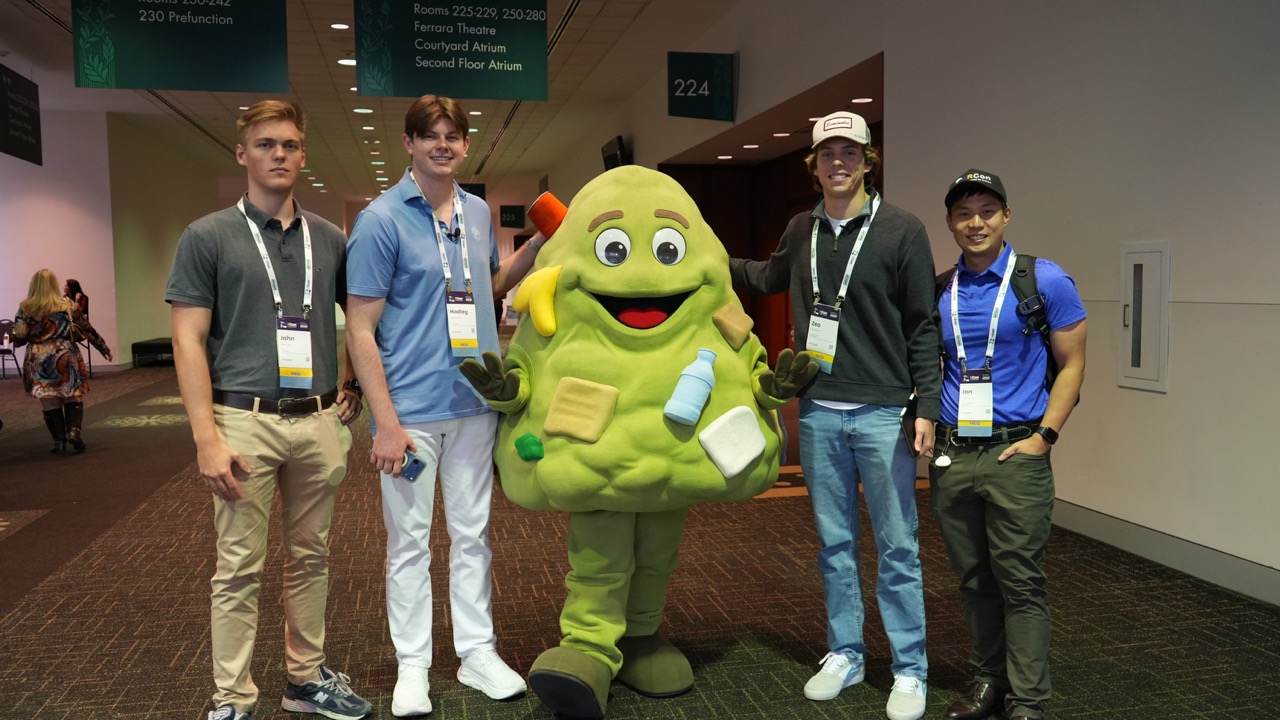
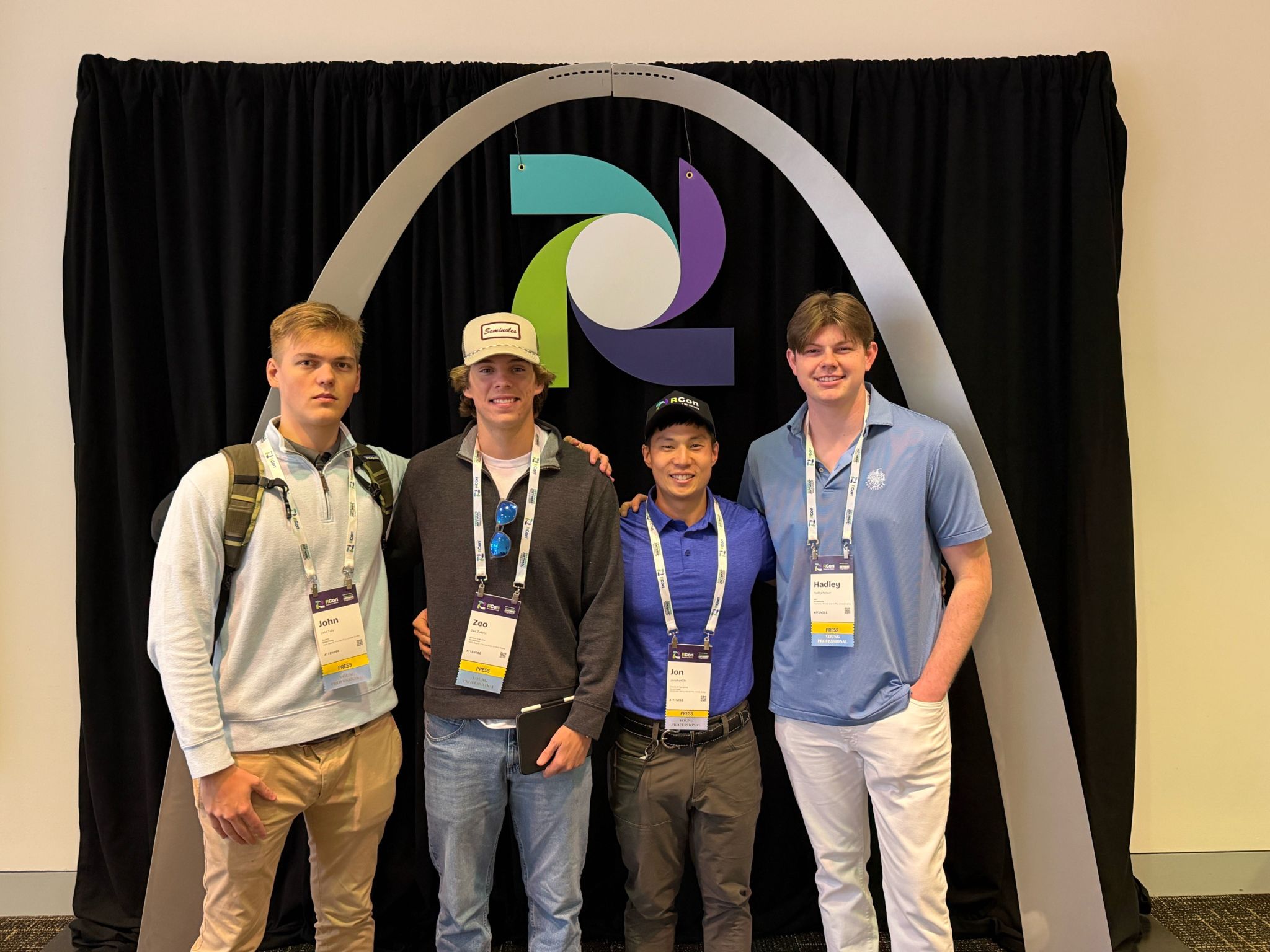
RCon 2026 has been a learning opportunity for our team in St. Louis, especially for the young professionals who are getting an inside look at how today's waste operations are changing.
From sessions on technology and workforce development to conversations with people running collection operations every day, one theme kept coming up:
The future of waste isn't just about better technology. It's about understanding the people and processes behind it.
Our team also had the opportunity to participate in a panel, “How to Tell Your Drivers Where to Go: Navigating Implementation of Routing Systems,” focused on routing, operational efficiency and workforce transformation.
One of the speakers was Dwayne from Fairfax County, who shared lessons from Fairfax's experience implementing and improving routing systems. We also sat down with Dwayne for an interview to dig deeper into what happens when technology meets the realities of the collection route.
Lesson #1: Get in the Truck
One of the biggest takeaways from the panel was simple: you can't fully understand a route from a computer screen.
Fairfax's work involved getting into trucks, riding routes and observing drivers and supervisors firsthand.
That's where the details emerge: tight turns, school zones, low-clearance areas, unusual streets and the “tribal knowledge” experienced drivers carry in their heads.
Technology can map a route. But the people driving it often know things the map doesn't.
Lesson #2: Data Can Reveal the Real Problem
The panel also showed how basic operational data can uncover much bigger issues.
In Fairfax, overtime was one of the first visible indicators that something wasn't working efficiently. Looking deeper revealed delays during the first part of the morning, from clock-in and pre-departure routines to getting trucks on the road.
By tightening those processes, crews were able to save roughly 20–30 minutes per crew.
The lesson for our team: before trying to optimize an operation, you have to understand what the data is telling you.
Lesson #3: Technology Has to Work for People
A new routing system or digital tool only works if employees actually use it.
The discussion at RCon highlighted the importance of involving drivers and supervisors in the process, recognizing their expertise and making them participants in change.
That matters because waste operations include employees with very different levels of technology experience. The right solution has to account for the realities of the workforce, not just the capabilities of the software.
Bringing RCon Back to Bond4
For our team, that is what makes RCon so valuable.
We aren't just learning about new technology. We're hearing directly from the people using it, managing it and sometimes struggling to implement it.
Those conversations help shape how we think about AI and operational intelligence at Bond4Waste.
Better technology starts with better understanding.
Our team came to RCon to learn, connect and listen. We're leaving St. Louis with new ideas, new relationships and plenty to bring back to Bond4Waste.
Follow our adventure on Bond4Waste social media handles!
X: @Bond4Waste
TikTok: @Bond4Waste
Instagram: @Bond4Waste
Facebook: @Bond4Waste
LinkedIn: Bond4Waste
Related reading
Bond4Waste Is at RCon 2026! 🚛♻️
RCon 2026 is officially underway, and Bond4Waste is on the ground in St. Louis! From September 29–October 2 , waste and resource management professionals from across the industr…

A Generational ownership transition in waste management is happening... And the data proves it.
The industry just validated a thesis many haulers live every day: the work is growing, the workforce isn’t, and the only scalable answer is technology. SWANA’s Young Professionals…
What RCon 2026 Told Haulers and MRFs About Where Recycling Is Headed
SWANA's RCon 2026 ran September 29 to October 2 in St. Louis, with safety, EPR, PFAS, landfill management, workforce, and recycling operations on the agenda and more than 200 exhi…