One City’s Trash Is Another Person’s Treasure: Laredo, Texas Offers Free Bulky Waste Program
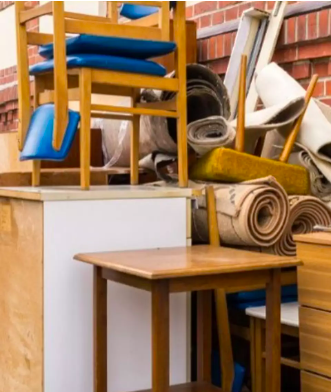
Why send usable furniture and household goods to a landfill when they could find a second life? Laredo, Texas, offers a practical model for making waste collection more accessible, sustainable, and community-minded.
A worn-out sofa. An old mattress. A bicycle gathering dust in the garage. A washing machine that no longer works.
For residents, getting rid of large household items can be a headache. They often don't fit in regular trash bins, transporting them to a disposal facility can be difficult, and private removal services can be expensive. When convenient options are lacking, unwanted items can end up abandoned on sidewalks, in vacant lots, or along roadsides.
The City of Laredo, Texas, has a better approach.
According to Laredo Morning Times, the city's Solid Waste Services Department offers residents free bulky waste collection twice a year. The program covers items such as furniture, mattresses, box springs, appliances, bicycles, carpeting, and large toys.
Collections rotate through the city's eight districts, giving residents a designated time to put eligible items out for pickup. Residents who miss their scheduled collection can also arrange up to two free pickups annually if they have an active residential account and pay city garbage fees.
It's a straightforward service with a bigger purpose: making responsible disposal easier for residents while helping communities manage waste more effectively.
But there's an opportunity to make this model even more sustainable. What if collecting bulky waste wasn't just about getting rid of unwanted items, but also about finding new homes for the things people no longer need?
The Case for Free Bulky Waste Collection
Bulky waste is a familiar municipal challenge. Large items require different collection logistics from ordinary household garbage, and residents may not have the vehicles, time, or money to transport them independently.
A free, clearly scheduled collection program addresses several problems at once.
It makes proper disposal more accessible. Residents have a legitimate, convenient way to dispose of large items without arranging private transportation or paying an additional collection fee.
It can help prevent illegal dumping. Providing a predictable disposal option may reduce the temptation to abandon unwanted furniture and appliances in public spaces. The actual effect depends on local conditions, program awareness, and enforcement, but convenience is an important part of the solution.
It gives municipalities more control over collection. District-based schedules allow cities to organize crews, communicate collection dates, and plan equipment and staffing needs.
It creates an opportunity to recover usable goods. Furniture, bicycles, appliances, and other household items do not always need to become waste simply because their current owners no longer want them.
That last point is where bulky waste programs can become powerful sustainability initiatives.
Before It's Trash, Could It Be Reused?
The most sustainable bulky item is often the one that never reaches the landfill.
A sturdy table might be perfect for a family furnishing a new apartment. A working refrigerator could help a nonprofit serving residents in need. A bicycle might be repaired and donated to a child who needs transportation. Even some damaged items can be refurbished or dismantled for usable parts.
Municipalities can build reuse into their bulky collection programs through partnerships with local charities, reuse centers, repair organizations, thrift stores, and community groups.
Imagine a collection system that offers residents two simple options:
Reuse first: Residents identify furniture and household goods that are clean, safe, and potentially reusable. Participating organizations arrange collection or recovery before disposal.
Responsible disposal: Items that are broken, contaminated, unsafe, or otherwise unsuitable for reuse proceed through the appropriate recycling or disposal channel.
A city could pilot this approach in one district, measure how much material is recovered, and expand the program if the results justify it.
The benefits extend beyond landfill diversion. Reuse can make affordable household goods more accessible, support local nonprofit organizations, and reduce demand for new products and the resources required to manufacture them.
The key is to make reuse convenient. Residents shouldn't have to navigate a complicated network of organizations just to give a usable sofa a second life.
A Smart Program Also Needs Clear Rules
Laredo's approach illustrates another important lesson: successful bulky waste collection requires residents to understand what can and cannot be collected.
The city's program excludes materials such as electronics, batteries, car parts, paints, liquids, construction debris, and hazardous waste from routine bulky collection. Those materials require different handling and disposal arrangements.
This distinction matters for both environmental protection and worker safety. Batteries, for example, can create fire risks when handled or processed improperly. Hazardous liquids and chemicals can contaminate other waste streams.
Municipalities should make accepted-item lists easy to find, provide clear instructions for placing items at the curb, and direct residents to appropriate alternatives for prohibited materials.
They should also consider how to keep usable goods separate from waste destined for disposal. Once reusable furniture is mixed into a large, unsorted pile, recovering it may become much more difficult.
Good program design can make the difference between simply moving bulky waste and actually recovering value from it.
How Other Municipalities Can Build on Laredo's Model
Cities don't need to reinvent the wheel. They can start with a basic free or no-additional-charge bulky waste service and gradually add sustainability features.
1. Offer predictable collection dates.
District-based collection schedules or appointment-based pickups give residents a clear, reliable way to dispose of large items. Cities should communicate dates through utility bills, social media, local newsletters, and municipal websites.
2. Create a reuse and donation network.
Partner with local nonprofits, furniture banks, thrift stores, and repair organizations to recover items in usable condition. Where feasible, establish a separate collection route or designated drop-off area for reusable goods.
3. Make the service equitable.
Not every resident has a truck, can lift heavy furniture, or can wait for a single annual collection date. Municipalities should consider accessibility, alternative pickup arrangements, and whether the program reaches residents in underserved neighborhoods.
4. Track what happens to collected material.
Measure the number of pickups, tonnage collected, items reused, materials recycled, disposal costs, and illegal-dumping complaints. These figures can help municipalities evaluate whether the program is achieving its environmental and operational goals.
5. Use technology to improve planning.
Digital scheduling, route optimization, and collection data can help municipalities estimate demand, group pickups efficiently, and identify neighborhoods with recurring bulky waste problems. Over time, this information can inform staffing, budgets, and program design.
A Cleaner City Starts With Better Options
Municipal waste management is often judged by what happens after garbage reaches the curb. But the choices residents have before collection can be just as important.
Laredo's free bulky waste program is a practical example of how a city can make responsible disposal more convenient. By pairing predictable collection with reuse partnerships, clear material guidelines, and better data, other municipalities could turn a routine sanitation service into a broader sustainability initiative.
The opportunity is bigger than collecting unwanted furniture. It's about reducing waste, keeping public spaces cleaner, making useful goods available to people who need them, and getting more value from the resources communities already have.
Because the goal shouldn't simply be to collect more waste. It should be to waste less in the first place.
At Bond4Waste, we believe better data and smarter technology can help waste operators and municipalities make more informed decisions about collection, routing, and resource recovery.
Read the original report in Laredo Morning Times.
Learn more about Bond4Waste.
Related reading

Move-Out Week Is Not an Emergency — It’s a Contract Line Item
Every May and June, college towns drown in couches, mattresses, mini-fridges, and contamination. Resource Recycling spotlights programs that tame the surge — operators should read that as a blueprint to plan, staff, and price a predictable peak, not absorb it as “goodwill.”

SB 54’s reuse reality check: haulers are the missing link — for now
California’s packaging EPR is about to push beyond blue carts into reuse and refill. Producers will foot the bill, but the trucks, depots, and data will be yours to build — if you step up early.
UNGA 2026 and the Sustainability Goals: It’s Time to Talk About Waste
Every September, the world’s attention turns to New York as leaders gather for the United Nations General Assembly. This year, as UNGA 2026 brings renewed focus to the Sustainable…