October Commodity Check: HDPE and PP Climb, PET Stays Underwater
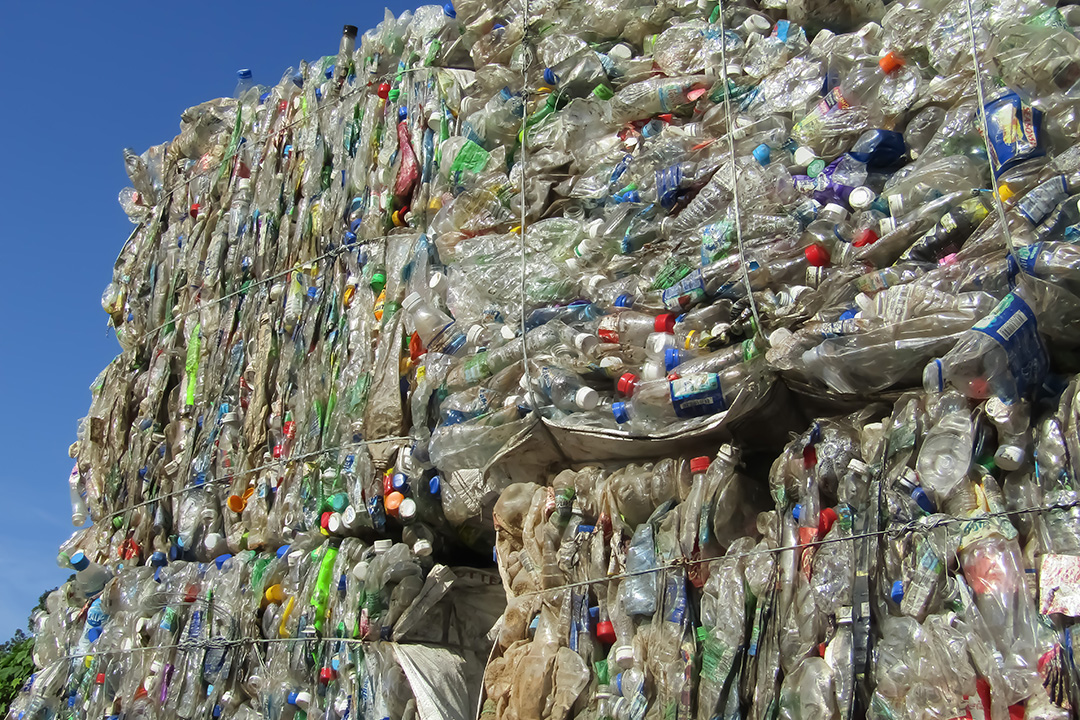
The October numbers are in, and the recycled commodity market is sending mixed signals. According to Resource Recycling's October 14 pricing report, national average prices for sorted, baled HDPE and PP rose this month, PET slipped again, and fiber and metals held steady at levels well above where they sat a year ago.
For MRFs and the haulers who feed them, that split matters. The same facility can be selling stronger bales of one material and losing money on another in the same week.
The numbers worth knowing
Natural HDPE (curbside): 40.25 cents per pound, up from 36.50 cents last month, though still below last year's 44.63 cents.
Color HDPE: 11.13 cents per pound, up from 8.66 cents last month and more than triple the 3.25 cents of a year ago.
PP: 7.19 cents per pound, up from 6.06 cents last month and above last year's 5.56 cents.
PET bottles and jars: 2.53 cents per pound, down from 2.61 cents last month and 4.50 cents a year ago.
OCC: $91 per ton, steady on the month and well above the $50 to $55 range of a year ago.
Mixed paper: $35 to $40 per ton, roughly flat, compared with $26 a year ago.
Aluminum UBCs: 96.56 cents per pound, unchanged and up from 78.44 cents last year.
Our read: fiber and metals are carrying the P&L
Plastics get the attention, but the volume and the revenue sit in fiber and metals. OCC at $91 and aluminum near 97 cents are doing the heavy lifting for most single-stream operations. HDPE and PP gains are welcome, but at these price levels they are small contributors compared to a ton of OCC.
PET is the problem child. At 2.53 cents per pound, a baled ton of PET is worth about $50. If PET is a meaningful share of your inbound stream, the sort line is likely costing more to run on that material than it earns back.
The year-over-year view tells the same story. Fiber, aluminum and steel cans are all meaningfully above last October, while PET and film are below it. The recovery is uneven, and a facility's mix determines whether it feels like a good year or a hard one.
What to do with this
Check your contract against the index. If your processing or revenue-share agreement is tied to a published index, confirm which one and which month it references. A rebate calculated on last month's numbers will not reflect an October move.
Know your own mix. National averages are a guide, not your price. Your bale quality, your freight to the end market, and your inbound composition decide what you actually realize. Compare your last three months of realized prices to the index and understand the gap.
Do not set residential rates on a good fiber month. Fiber has been strong for a year, but the prices move. If your municipal agreements assume today's OCC number will hold, build in a floor or a review trigger.
Watch contamination as a cost, not just a quality issue. When margin per ton is thin on plastics, every bale downgrade or rejected load hurts. Track rejects by customer and route so you can see where the problem material is coming from.
Talk to your haulers and customers early. If a processing fee change is coming, the conversation goes better before the invoice does than after.
Bottom line
October's market is not a crisis and it is not a windfall. Fiber and metals are healthy, HDPE and PP are improving from low bases, and PET remains a drag. The operators who hold up best when prices turn are the ones who know their realized prices, read their contracts closely, and keep contamination from eating the margin they do earn.
Related reading

Plastics Slip, Paper and Cans Climb: What This Month’s Markets Mean for MRF Margins
Commodity whiplash is back. If you’re counting on HDPE and PP to carry your rebate checks, plan on thinner ones — while fiber and UBCs quietly take the lead.
OCC Is Climbing, Plastics Are Sliding: Reading the Split in 2026 Recycling Markets
Recycling markets are not moving as one this year. Old corrugated cardboard has rebounded from a weak 2025, while several plastic grades keep sliding. If you run a hauling operati…

Paper and cans are paying the bills again. Plastics aren’t.
Mid-2026 commodity spreads are back to an old pattern: fiber and metals carry the program; plastics drag it down. Operators who act on that reality—on the floor and in their contracts—will keep margins where others bleed.