OCC Is Climbing, Plastics Are Sliding: Reading the Split in 2026 Recycling Markets
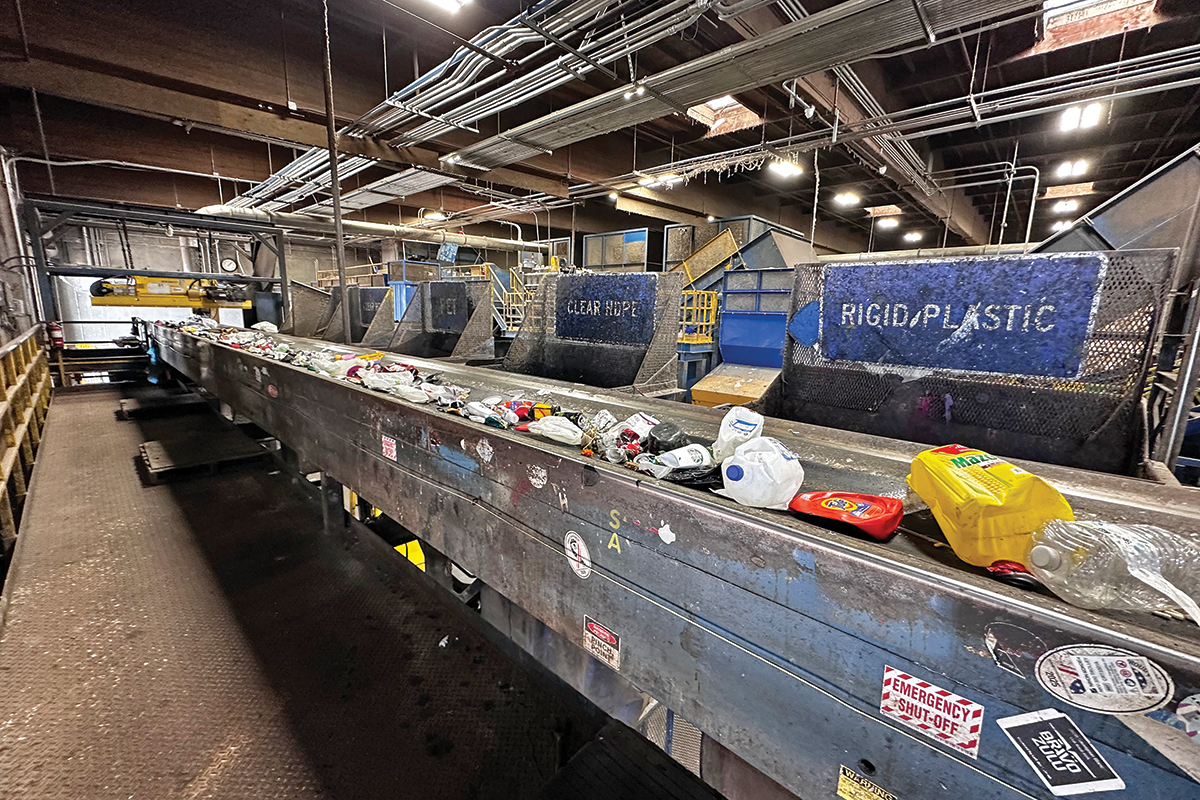
Recycling markets are not moving as one this year. Old corrugated cardboard has rebounded from a weak 2025, while several plastic grades keep sliding. If you run a hauling operation with a recycling line or an MRF, your blended results depend on which side of that split you are standing on.
According to Packaging Dive, OCC started 2026 near $80 per ton and reached roughly $100 per ton by late July. That is still well under the five-year average of about $140. In the Midwest, regional prices jumped from around $55 to $85 per ton over six months.
Why OCC is up
Packaging Dive points to a few drivers: China's October 2025 dry pulp import restrictions, which displaced about two million tons of OCC, along with higher fuel and freight costs tied to the Iran conflict that began February 28. Containerboard mills are paying more for feedstock while demand stays soft, and analysts quoted in the piece expect the climb to flatten out, with one forecasting another month or two of gains before a pretty big slowdown.
Plastics tell a different story
Waste360's summer markets roundup shows paper and metals holding while plastics weaken. Natural HDPE was cited at 59.5 cents per pound and declining, colored HDPE at 15 cents and softening, PP at 14.5 cents and down, and PET at 3.2 cents per pound. The article attributes PET weakness to cheap imported recycled material and hesitation among beverage companies to source domestically at higher cost.
Index, region, and bale quality all move these numbers, so check them against your own buyers before drawing conclusions.
For a hauler selling into one market, that spread matters. For a MRF, it matters even more, because your inbound mix does not change just because the outbound prices did. The same tons are coming across the floor, but their value is shifting under them.
What it means for your operation
Cardboard is carrying the blend. Higher OCC lifts blended revenue, but it also masks soft plastics. Look at revenue by grade, not just the total.
Contract language matters more than usual. If your municipal or commercial agreements share commodity revenue, a rising OCC index can reverse quickly. Know whether you are working with a floor, a cap, a rebate trigger, or a fixed processing fee.
Contamination costs hurt more at low plastic prices. When PET is worth pennies per pound, every contaminated bale is a straight loss. Rejected loads and extra sorting labor eat the margin.
Seasonal softening is likely. Packaging Dive notes that winter price declines are anticipated. Back-to-school and holiday box demand may support OCC through the fall, but plan your cash flow conservatively.
A note on timing. Fall is when many operators set next year's budgets and renegotiate service agreements. If you build 2027 projections on today's OCC levels, you may be baking in a peak. Run a conservative case alongside the optimistic one, and make sure your pricing for customers does not depend on commodity revenue staying where it is.
Questions to ask your buyers this month
What is your outbound commitment on OCC through year-end?
Are your bale specs for plastics changing?
Are there delivery windows or freight surcharges coming?
Do you have capacity to take more material if a competitor drops out?
Bottom line
An OCC rebound is good news, but it is not a market recovery for everyone. Plastic grades are telling a different story, and winter softness is likely ahead. Operators who track revenue and contamination by commodity will see problems earlier and negotiate from stronger ground.
Related reading

Plastics Slip, Paper and Cans Climb: What This Month’s Markets Mean for MRF Margins
Commodity whiplash is back. If you’re counting on HDPE and PP to carry your rebate checks, plan on thinner ones — while fiber and UBCs quietly take the lead.

Paper profits just fell off a cliff. Here’s what that means for your fiber business.
Smurfit WestRock’s net income plunged more than 80% in Q1. That’s not just a Wall Street story — it’s a flashing signal for MRFs and haulers counting on OCC to prop up margins this summer.

Paper and cans are paying the bills again. Plastics aren’t.
Mid-2026 commodity spreads are back to an old pattern: fiber and metals carry the program; plastics drag it down. Operators who act on that reality—on the floor and in their contracts—will keep margins where others bleed.