Fraudsters Stole Nearly $2 Million From a Waste Company. Could Better Oversight Have Stopped Them?
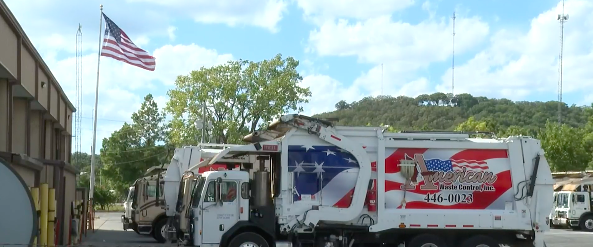
A major fraud loss is a reminder that even established waste businesses need stronger approval processes, better visibility into financial activity, and technology that helps people catch red flags before it's too late.
Nearly $2 million. That's the amount fraudsters reportedly stole from American Waste, according to an October 22 report by FOX23 News.
The case is a sobering reminder for the waste management industry: protecting a business requires more than keeping trucks on the road and customers serviced. It also means protecting the money, data, and internal processes that keep operations running.
And while the details of the American Waste case should guide any conclusions about what went wrong, one question deserves attention across the industry: Could stronger human oversight and a more rigorous approval process have stopped the loss before it happened?
In many fraud scenarios, the answer is yes.
The Problem Isn't Always a Lack of Technology. It's a Lack of Verification.
Fraudsters increasingly exploit ordinary business processes. A fraudulent payment request, a manipulated invoice, a change to vendor banking information, or an unauthorized transaction can appear legitimate when employees are busy and systems aren't designed to flag unusual activity.
The vulnerability isn't necessarily that a company lacks software. It's that a critical decision may pass through a process without enough independent verification.
Consider a few safeguards that can make a meaningful difference:
Two-person approval for significant payments. Large or unusual transactions should require authorization from more than one qualified person. No single employee should be able to initiate and approve a high-value payment without an independent check.
Independent verification of changes. Requests to change vendor bank details or payment instructions should be confirmed through a trusted contact method already on file, not simply by replying to the email that requested the change.
Alerts for unusual activity. Payments that exceed normal thresholds, go to unfamiliar accounts, or deviate sharply from established patterns should trigger review before funds are released.
Clear accountability and audit trails. Businesses should be able to see who initiated a transaction, who approved it, what information was reviewed, and when the payment was made.
These measures don't eliminate fraud, but they create additional opportunities to catch suspicious activity before it becomes a costly loss.
Why Human Intervention Still Matters
Automation makes businesses faster. But speed without appropriate controls can create risk.
A software system can process a transaction correctly according to the instructions it receives, even if those instructions are fraudulent. An automated workflow may not know that a vendor's payment details have been manipulated or that a seemingly routine request is out of character.
That's why human approval shouldn't be treated as an administrative inconvenience. For high-risk transactions, it's a critical control.
The strongest process combines automation with deliberate human judgment. Software handles routine work, surfaces inconsistencies, and directs attention to transactions that deserve a closer look. A responsible employee then verifies the information and makes the final decision.
The goal isn't to require a person to review every transaction. It's to ensure that the transactions carrying the greatest risk receive the greatest scrutiny.
Where AI Can Help Stop Fraud Before It Happens
Artificial intelligence offers another layer of protection by helping businesses identify patterns that traditional, rule-based systems may miss.
An AI-enabled monitoring system could flag:
A payment that is substantially larger than a vendor's normal invoices.
A sudden change in payment destinations or account details.
Multiple transactions that collectively exceed an approval threshold.
Unusual payment timing or activity that falls outside normal business patterns.
Transactions that don't match established vendor histories or purchasing behavior.
These alerts can help finance teams prioritize their attention instead of relying exclusively on manual checks or discovering discrepancies during a later audit.
But AI is not a substitute for sound internal controls. It can produce false alarms, miss unfamiliar fraud patterns, or flag suspicious activity without knowing the full context. Human review, clear approval authority, and well-designed escalation procedures remain essential.
The best defense is not AI instead of people. It's AI helping people make better, more informed decisions.
What Waste Companies Should Take Away
Waste management is a complex, operationally intensive industry. Companies coordinate vehicles, employees, contractors, vendors, facilities, customer accounts, invoices, and payments, often across multiple locations.
That complexity creates opportunities for inefficiencies, but it can also create blind spots. When information is spread across disconnected systems, identifying an unusual transaction or connecting related warning signs becomes harder.
Waste companies should regularly review their financial controls and ask a few straightforward questions:
Can one person create a vendor, change its payment details, and authorize a payment?
Are high-value or unusual transactions independently verified?
Can the business identify abnormal patterns quickly, rather than waiting for a reconciliation or audit?
Do employees know when to pause a transaction and escalate a concern?
Can leadership trace a payment from its original request through final approval?
If the answer to any of these questions is unclear, it may be time to strengthen the process.
Better Decisions Start With Better Visibility
The American Waste case is a reminder that operational resilience extends beyond the physical work of collecting, transporting, and processing waste. It includes the systems and decisions that protect a company's financial health.
At Bond4Waste, we believe better data visibility and smarter software can help waste businesses operate with greater control and confidence. AI can surface patterns, identify anomalies, and help teams focus their attention where it matters most.
Technology alone cannot guarantee that fraud will never occur. But when paired with clear approval procedures, independent verification, and engaged human decision-makers, it can make suspicious activity harder to overlook and help businesses respond sooner.
In an industry where margins matter and operational complexity is part of everyday life, the right question isn't just how to make processes faster. It's how to make them safer, too.
Read the original report: FOX23 News — Fraudsters steal nearly $2 million from American Waste.
Bond4Waste helps waste operators turn operational data into actionable intelligence. Learn more at Bond4Waste.
Related reading

5 Signs Your Waste Operation Needs AI Automation
Most waste companies don’t realize how much money they’re losing until they start measuring inefficiencies closely. Missed pickups. Overflowing containers. Fuel waste. Driver down…

How AI Turns Waste Data Into Profit: Analytics, Forecasts, and Operational Intelligence
Margins in hauling and recycling don’t come from shiny dashboards—they come from better decisions at the stop, the scale, and the line. The good news: AI is finally good enough to…

Fake carriers, real losses: Load theft has moved to your shipping desk
Organized fraud is hitting recyclers where they least expect it — at release, not the fence line. Rising metal values and convincing paperwork mean one sloppy handoff can vaporize a six-figure load.