How AI Turns Waste Data Into Profit: Analytics, Forecasts, and Operational Intelligence
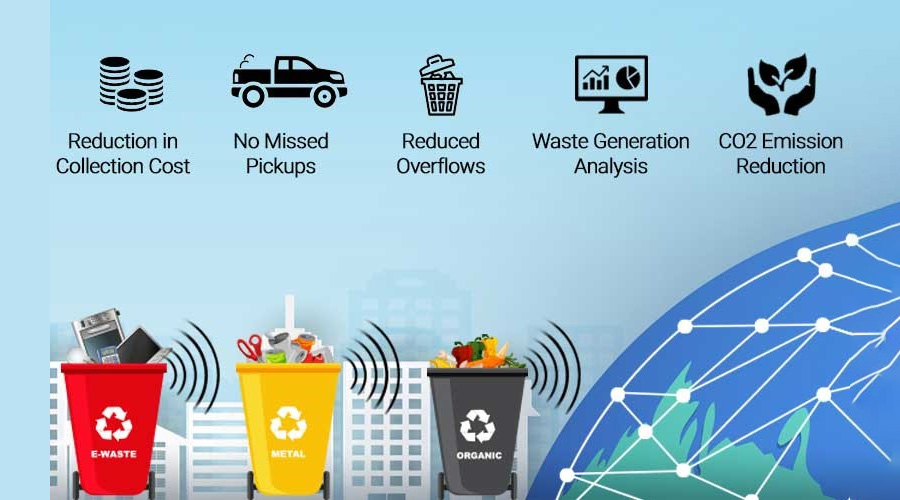
Margins in hauling and recycling don’t come from shiny dashboards—they come from better decisions at the stop, the scale, and the line. The good news: AI is finally good enough to turn our messy, scattered data into specific, profitable actions without boiling the ocean.
From raw streams to margin-driving analytics
Most of us sit on islands of data: route logs and GPS pings over here, scale tickets and MRF SCADA over there, plus photos, call notes, and customer contracts in yet another system. The first win is stitching that together and getting trustworthy, explainable analytics that tie to dollars.
- Revenue assurance that sticks: By reconciling service levels, lift counts, container size, and weight history, AI can flag chronic under-billing (e.g., 8-yard service priced like a 6-yard, or multi-lift stops billed as single). We’ve seen simple rules miss what anomaly detection catches across long time windows and driver changes.
- True cost-to-serve at the stop level: Model drive time, dwell time, lift effort, tip fees by outlet, contamination risk, and complaint frequency to see which accounts are underwater—and why. That turns across-the-board increases into targeted adjustments, surcharges, or route redesign.
- Contamination and fullness intelligence: Computer vision on truck cameras or container sensors can score contamination and measure fullness. Vendors such as AMP Robotics (MRF line vision and automated sorting) and firms like Compology and Nordsense (container-level imaging and sensing) have shown how images translate into material IDs and actionable thresholds. Tie those scores to billing rules and education, not just photos in a folder.
- Material quality and bale economics: At the MRF, linking vision-derived purity estimates with bale weights and market indices (e.g., Fastmarkets for OCC/ONP, ISRI market updates) helps explain yield variance and price outcomes. That supports targeted QC—not blanket slowdowns that kill throughput.
The key is explainability. If a model flags a stop as unprofitable, we need the breakdown—extra dwell time from blocked access, low payload utilization, repeated overweight fees—so route managers trust the output and act.
Forecast the stream, not just the pickup
Forecasting isn’t crystal-ball stuff; it’s about reducing surprises. With enough history, models can predict what’s coming to the curb, the transfer station, and the line—so we staff, price, and position assets correctly.
- Tonnage and mix by day and route: Seasonality, events, college move-outs, and weather all shift volumes. Pull in sources like NOAA weather data and local event calendars to forecast inbound tons and material splits. That schedules crews, transfer capacity, and disposal slots before the surge.
- Container demand and roll-off logistics: Predict when sites will hit service thresholds and pre-stage boxes where they’ll be needed. That cuts deadhead miles and last-minute rentals while improving service reliability.
- Predictive maintenance: Telematics, hydraulic temperatures, and vibration patterns can forecast component failures (e.g., packer hydraulics, blower motors) and suggest off-shift maintenance windows. A few avoided road calls can pay for the data plumbing.
- Price risk and contract planning: Tie bale production forecasts to index exposure so sales can lock in outlets when purity and volume are favorable. For hauling contracts, combine predicted cost-to-serve with commodity-sharing clauses to avoid pricing blind spots.
This is where forecasting meets cash flow. Better tonnage predictability improves working capital planning (fuel, labor, tip fees) and stabilizes route overtime. And when we can predict contamination spikes, we can proactively educate customers—or adjust pricing—before quality claims land.
Operational intelligence at the curb, yard, and MRF
Analytics and forecasts only matter if they steer same-day decisions. Operational intelligence puts AI in the loop where work actually happens.
- Dynamic routing with guardrails: Skip logic based on fullness and service policies can trim miles, but contracts and municipal rules vary. We’ve had success using AI to suggest skips and consolidations alongside must-serve commitments, with dispatcher override and audit trails.
- ETA accuracy and fewer angry calls: Live traffic plus learned stop durations produce better ETAs. Sharing proactive alerts reduces call volume and missed-can complaints—small wins that stack up.
- Exception triage from photos and notes: Models can summarize driver images and comments into standardized codes (blocked access, contamination type, overfilled), propose next actions, and update tickets. Dispatchers handle more issues with less back-and-forth.
- Safety and coaching—not surveillance: Video telematics can flag harsh events and risky patterns for constructive coaching. Keep privacy controls tight, minimize retention, and focus on behaviors, not blame. Clear policies matter as much as the model.
- Compliance and reporting on autopilot: Emerging EPR requirements in states like Maine, Oregon, Colorado, and California raise the bar on material and weight reporting. Automating data lineage from route to scale to bale reduces manual spreadsheets and audit pain. Pair that with anomaly detection to catch suspicious weights or duplicate tickets before filing.
When real-time guidance is right most of the time—and easy to override—adoption follows. Build feedback loops so every override teaches the model what “good” looks like in your operation.
A quick word on foundations. Good AI runs on clean IDs, consistent units, and event timestamps that line up. Open integrations beat lock-in. Start with slice-of-the-business pilots (a single line, a subset of routes), capture before/after metrics everyone trusts (miles per lift, route variance, MRF uptime, bale purity), and keep humans in the loop. Above all, make the math visible; black boxes don’t move margins.
—The Bond4Waste team
Related reading

AI-Powered Dumpster Monitoring Is Cutting Costs—Here’s How
We’re watching a quiet shift in solid waste: AI is taking the lid off containers—literally. With smart dumpsters, IoT waste sensors, and computer vision, operators are replacing f…

AI Talk Is Cheap. Here’s the Operator Yardstick for Waste Tech After AMCS’s CEO Q&A
AMCS’s new chief is bullish on AI. That only matters if it lowers cost per lift, reduces missed stops, and tightens DSO — here’s the filter operators should apply to every AI pitch.

7 Secret Ways AI is Trimming Costs in Waste Ops
Cities don’t need moonshot tech to save real money. The quiet gains are already coming from AI that trims miles, reduces do-overs, and keeps material moving. Here are seven ways t…