Virginia's Richest County - Fairfax County - Wants to Rethink Waste Management
What if the next big advance in waste management doesn't come from a bigger landfill, a new truck, or another recycling bin?
What if it comes from better data, smarter technology, and new ideas from the people building the future of waste?
That is the question Fairfax County, Virginia, is putting to the market.
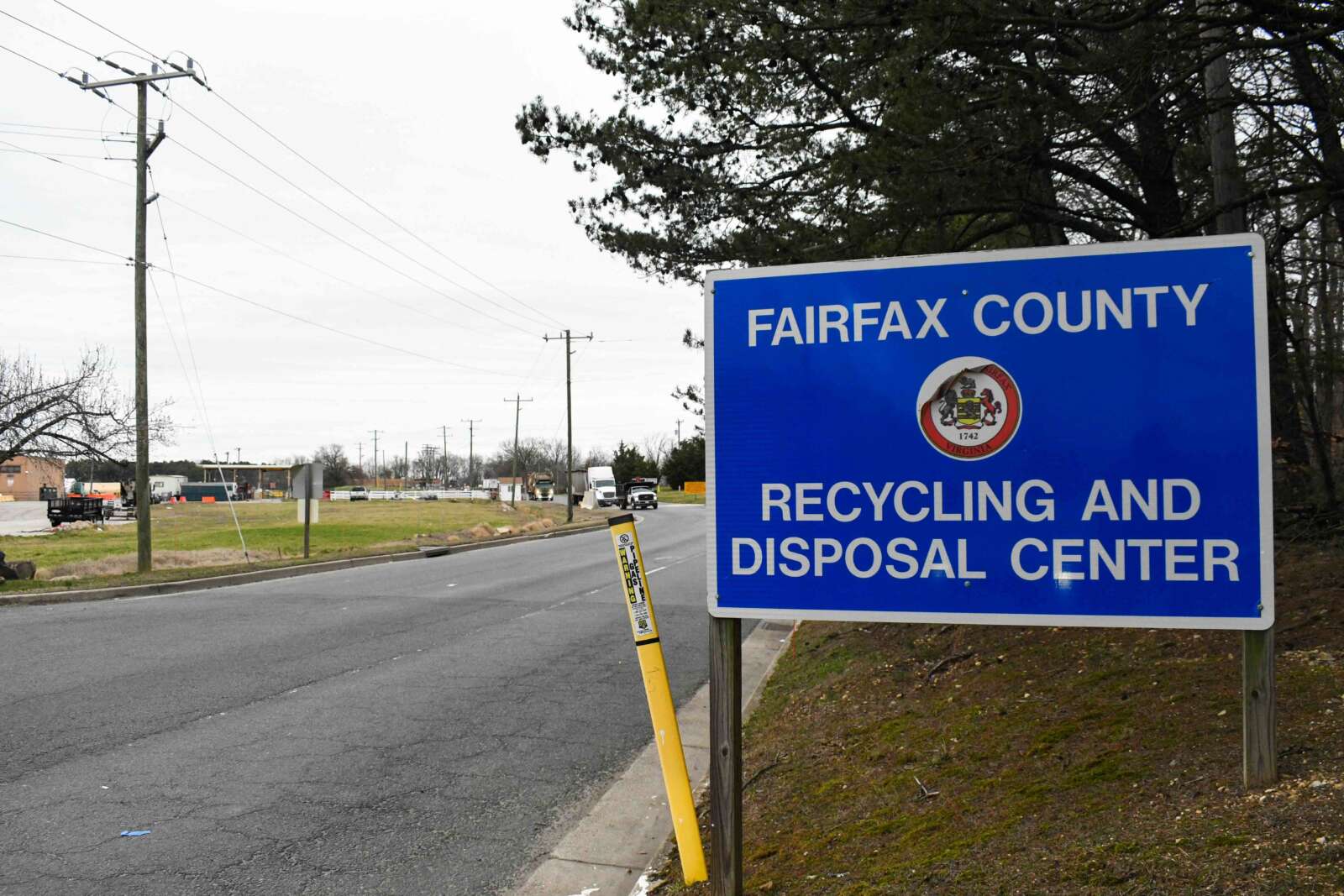
Fairfax County's Solid Waste Management Program (SWMP) recently launched a Request for Expressions of Interest (RFEI) seeking ideas that could help shape the future of waste, recycling, diversion, and zero-waste efforts across the county.
And this is not just any local waste system.
Why Fairfax County?
With roughly 1.2 million residents, Fairfax County is home to about 13% of Virginia's population. Located just outside Washington, D.C., it is one of the country's most economically significant suburban communities, with a highly educated and remarkably diverse population.
Fairfax is also home to a nationally recognized public school system, major employers, and thousands of businesses that benefit from direct access to the nation's capital.
The county's economic influence extends well beyond its borders. Despite representing about 13% of Virginia's population, Fairfax generated more than 20% of the state's General Fund revenue in FY2024.
That makes Fairfax an interesting place to watch when it comes to the future of public services, including waste management.
And Fairfax has set ambitious goals.
The county manages hundreds of thousands of tons of waste every year and has established a goal of 90% waste diversion by 2040.
Reaching that goal will require more than simply doing more of the same.
The RFEI Is About More Than Recycling
Fairfax County is inviting responses from public agencies, private companies, nonprofits, colleges and universities, and community-based organizations of all sizes.
The goal is to gather broad market insight that can help SWMP reach its future goals.
That could include new approaches to recycling, waste diversion, processing, disposal, technology, partnerships, and daily operations.
And that last category is particularly interesting.
The future of waste management could be a connected system in which data helps determine:
When a container actually needs service
Which routes are most efficient
Where waste generation is increasing
Where recycling contamination is occurring
Which materials can be recovered
Where service problems are happening
How facilities are performing
How operations can reduce unnecessary costs and emissions
In other words, the future of waste management is increasingly a data problem.
From Reactive Waste Management to Predictive Waste Management
For decades, much of waste collection has operated on predictable schedules.
A truck follows a route. A container gets emptied. Data is recorded. Problems are addressed when someone notices them.
But technology is changing that model.
Sensors, artificial intelligence, computer vision, connected devices, and analytics can give waste operators a much more detailed picture of what is happening across their systems.
Instead of asking, "When did this container last get serviced?", operators can begin asking:
"What is going to happen next?"
Predictive systems can help identify collection patterns, anticipate demand, optimize routes, detect overflowing containers, identify contamination, and give managers better information for making operational decisions.
For a county serving 1.2 million residents, even incremental improvements can have a meaningful impact.
Innovation Doesn't Have to Mean Rebuilding Everything
One of the most interesting aspects of Fairfax County's RFEI is that concepts can be rolled out in stages.
That matters.
Waste systems are too large and too essential to simply shut down and rebuild.
Innovation can happen incrementally.
A county might begin with better operational analytics. Then introduce smarter collection technology. Then expand automated monitoring, predictive forecasting, or AI-powered decision support.
Over time, individual improvements can become part of a much more intelligent waste management system.
Fairfax County Is Sending a Signal to the Waste Industry
The RFEI is significant because of who Fairfax County is asking to participate.
By opening the process to companies, nonprofits, universities, public agencies, and community organizations, SWMP is recognizing that innovation doesn't necessarily come from traditional waste management companies.
It can come from technology companies.
It can come from researchers.
It can come from startups.
It can come from communities experiencing waste problems firsthand.
And it can come from partnerships between all of them.
That collaborative approach may become increasingly important as communities across the country face the same fundamental challenge:
How do we manage more waste, recover more materials, control costs, and reduce environmental impact without simply building more infrastructure?
The Next Generation of Waste Management Is Already Here
Fairfax County's RFEI is an opportunity to think bigger about what a modern waste management system can be.
It can be more connected.
More predictive.
More transparent.
More efficient.
And ultimately, more sustainable.
At Bond4Waste, we believe the waste industry is entering exactly this kind of transition: from systems that primarily record what happened to systems that use data and AI to help operators understand what is happening and what should happen next.
Fairfax County is now asking the industry to bring forward its best ideas.
The response could help shape not only the county's next generation of waste management, but also provide a glimpse into where the industry as a whole is headed.
The future of waste won't be built by one company or one technology. It will be built by the organizations willing to rethink how the entire system works.
Have an idea for Fairfax County?
The RFEI gives organizations across the public, private, nonprofit, academic, and community sectors an opportunity to contribute ideas that could influence the county's long-term waste and recycling strategy.
For an industry increasingly driven by technology and data, it is an invitation worth paying attention to.
Fairfax County is asking what comes next. The waste industry should be ready with an answer.
Related reading

What Makes a City Feel Clean? Why the Future of Clean Streets Is Powered by AI
You know a clean city when you see one. The sidewalks are clear. Public bins aren't overflowing. Illegal dumping is rare. Parks are well maintained. But what most people don't rea…

Congress Just Put Recycling Data on the Clock — Operators Need Measurement Muscle Now
A bipartisan House committee advance doesn’t grab headlines, but it’s the strongest signal yet that federal dollars will come with data strings attached. If you can’t measure access, contamination, and outcomes, you’re about to lose business to the operators who can.

Where Does Your State Rank in America’s Waste Management System?
The 3 Tiers of Waste Intelligence in the United States Waste management in the United States is not evenly distributed. Some states are beginning to operate like modern logistics…