Inside NYC's Trash Revolution: New Mayor, Faster Timeline, Same Bottlenecks
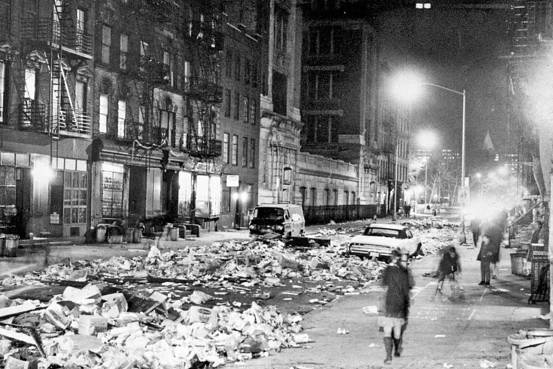
New York City's Department of Sanitation just reshuffled the launch schedule for its commercial waste zones, and the reason isn't politics. It's mergers. When Interstate Waste Services (operating as Action Environmental) acquired fellow zone awardee Filco Carting, and Waste Connections bought Royal Waste Services, it left contract vacancies in the zones those companies had already won. DSNY responded by moving Upper Manhattan and Brooklyn North up to October 1, 2026, while pushing Queens West, Manhattan Southwest, and Midtown North further out. Six zones are live already, Midtown South and Staten Island launched July 1, and full citywide rollout is still targeted for the end of 2027.
That's a New York story on its face, but it's worth every hauler's attention, not just the ones bidding in the five boroughs. NYC's commercial waste zone system is the most closely watched franchise experiment in the country, and it's now showing exactly the kind of disruption that any municipality considering a similar model should plan for: consolidation among the winning bidders can rewrite a service territory even when the city didn't intend to change anything.
The legacy Mamdani inherited. Former Mayor Eric Adams and then-Commissioner Jessica Tisch built what's been branded the "trash revolution," starting with mandatory containerization for businesses and small residential buildings, announced in October 2022 and implemented April 1, 2023. It worked, at least on the headline metric: rat-related 311 complaints dropped meaningfully. But the rest of the agenda was more uneven. Curbside organics collection, mandated by the City Council's Zero Waste Act, launched October 2024 and then had its enforcement paused in April 2025 after pushback from residents and building owners, even as diversion tonnage more than doubled year over year. And commercial waste zones, legally mandated back in 2019, had only 5 of 20 zones implemented or underway by the time Adams left office, six years behind schedule.
Mamdani's bet: faster, not slower. Rather than slow-walking any of it, Mayor Mamdani has committed to finishing residential containerization citywide by the end of 2031, a year earlier than the previous 2032 target, with a goal of containerizing at least one community district in every borough by the end of 2027. That's an aggressive number for a program that Deputy Mayor Julia Kerson says arrived without the funding or planning to back it up. The City Council passed supportive legislation, Local Law 180, but didn't earmark new money alongside it, and the commissioner has so far declined to specify what containerization will cost in this year's budget ask.
The supply chain nobody budgeted for. Even with funding, NYC's containerization plan depends on equipment that doesn't have a domestic supply chain yet. The city's Empire Bins are manufactured by Contenur, a European company, and the specialized collection trucks pair Mack chassis with Italian-made components from Farid. Each new containerized district needs roughly 1,000 additional bins and 19 trucks, none of which have been deployed at this scale in the U.S. before. If order volumes climb enough to justify domestic manufacturing, that could eventually smooth out lead times, but for now it's a bottleneck the department is managing district by district.
Why this matters beyond the five boroughs. For haulers who don't touch New York, this is still the live test case for two things spreading to other cities: franchise zone systems that consolidate commercial hauling down to a handful of awarded carters, and hard mandates to containerize entire waste streams. Both models are being studied by municipalities elsewhere that are tired of scattered private routes and sidewalk bag pileups. NYC is proving, in real time, that the transition period is where the friction actually lives: awarded contracts change hands through ordinary M&A, equipment procurement runs into supply chains that don't exist yet, and enforcement gets paused the moment residents push back. Any hauler operating in a market where a franchise or containerization proposal is even being discussed should be tracking how New York works through these exact problems.
Bottom line. The headline rat numbers made Adams' sanitation program look like a clean win, but the parts still in progress, organics enforcement, the remaining 15 commercial zones, and full containerization, are where the real operational lessons are. Mamdani is choosing to accelerate rather than reset, which raises the stakes on funding and supply chain execution over the next two years. Haulers everywhere should treat New York's rollout as the preview of what a franchise zone or containerization mandate actually costs to execute, not just what it costs to announce.
Related reading
NYC Trash Bin Mandate 2026: Deadlines, Rules, and What Haulers Need to Know
New York City's trash containerization mandate just entered its final stretch. As of June 1, every residential building with one to nine units has been required to set trash out o…

NYC puts dollars behind trash containerization, aiming for a 2031 finish line
New York City’s 2027 executive budget includes $14.8 million to accelerate containerized collection. Expect ripple effects on fleet specs, routes, and labor across the densest service area in the U.S.

M&A Is Now the On‑Ramp to NYC’s Waste Zones
Century Waste just bought its way into Staten Island’s commercial waste zone on the eve of go‑live. The real takeaway isn’t the deal sheet — it’s how consolidation, onboarding, and routing discipline will decide who actually wins under New York City’s new regime.