California Just Sent a Stack of Waste Bills to the Governor's Desk. Here's What Could Change.
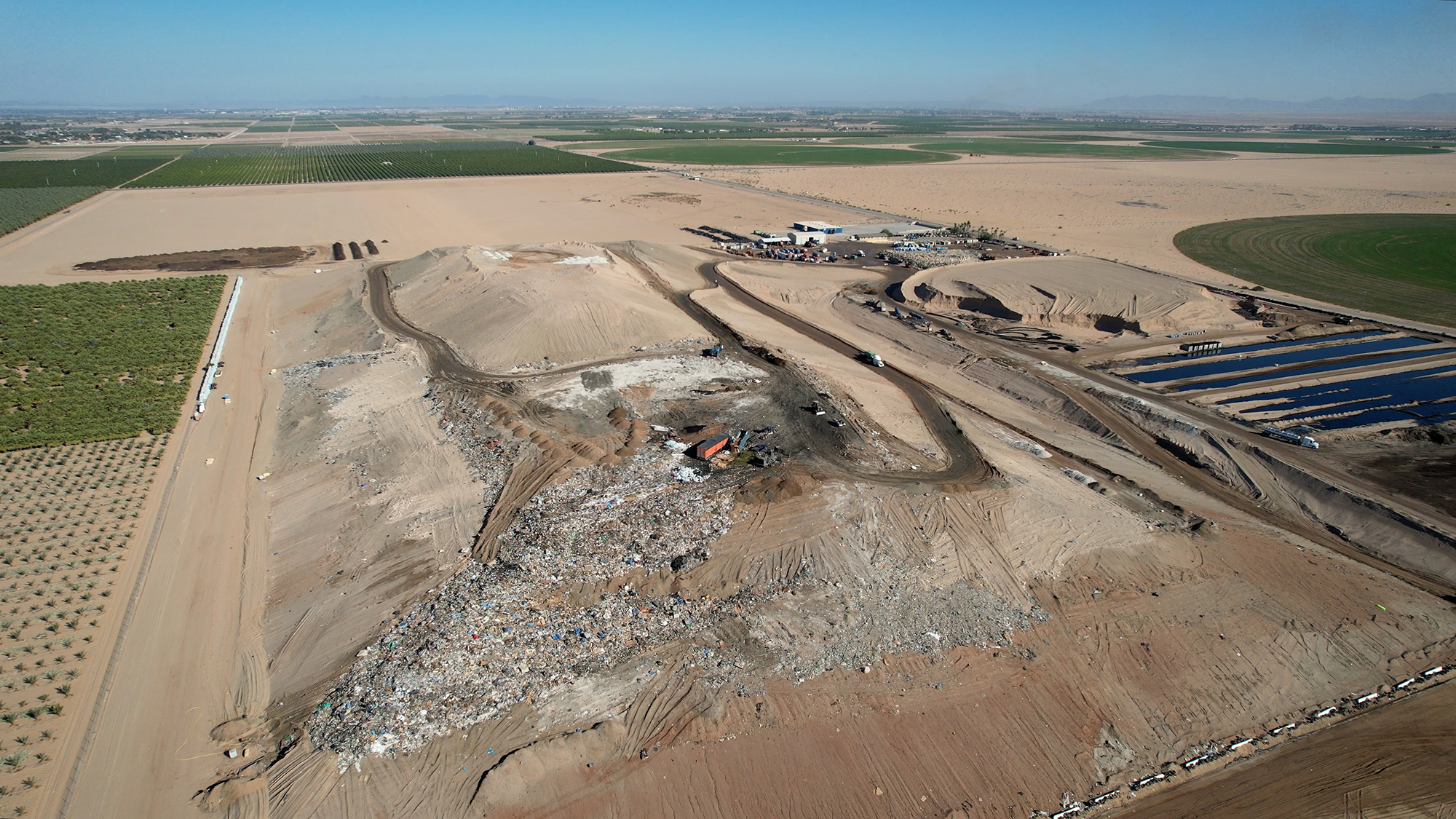
California's legislative session wrapped up on September 1, and a stack of bills that touch nearly every corner of hauling operations are now sitting on Governor Gavin Newsom's desk. He has until mid-October to sign or veto them. Whatever he decides, haulers outside California should be paying attention too: state-level waste policy in California has a well-worn habit of becoming the template other states borrow from a year or two later.
Here's what's actually in the package, and why it matters beyond Sacramento.
SB 1371 could rewrite what "force majeure" means in your franchise agreement. This is the one drawing the sharpest lines. The bill, backed by Teamsters California and opposed by WM, Republic Services, Recology, and Waste Connections, would bar cities and counties from signing or renewing hauling agreements that let a labor strike count as an "act of God" excusing a hauler from service. It would also void existing force majeure clauses if they're being used to cover a work stoppage. Supporters point to a 2021 Republic Services strike in Chula Vista that halted collection for about a month under exactly that kind of contract language. Opponents say the bill removes flexibility haulers need and could push costs onto municipalities and customers. Newsom vetoed a similar bill in 2023. With more than 3,000 Teamsters-represented workers in the Los Angeles region set to see contracts expire next month, this isn't a theoretical fight.
Two bills go after the vape problem you're already dealing with. AB 762 would ban the import or manufacture of new battery-embedded disposable vapes after January 1, 2027, and their sale a year later. The logic is straightforward: these devices have been a documented cause of MRF and truck fires for years, and manufacturers have never built a real end-of-life pathway for them. A companion bill, AB 2667, would direct the state's Department of Toxic Substances Control to figure out better disposal options, particularly for vapes confiscated from schools, and would let household hazardous waste facilities disassemble them for component recovery. Both bills have broad support from haulers, sanitation districts, and product stewardship groups, for the same reason SWANA and NWRA have been sounding the alarm on battery fires all year: these devices keep starting them.
SB 501 would close a loophole in the state's battery EPR program. California already runs extended producer responsibility programs for small loose batteries and batteries embedded in products. SB 501 would add "medium format" batteries, the kind found in e-bikes and outdoor power equipment, to that framework. Supporters call it common sense as e-bike and battery-powered equipment sales climb. Not everyone agrees on the mechanics: battery recycler Redwood Materials opposes the bill, arguing it would funnel collection through a single third-party entity rather than tapping the state's existing e-waste and metals recycling infrastructure.
A few more worth tracking. AB 28 would create a new process for responding to elevated landfill temperature events, written with the ongoing situation at the Waste Connections-operated Chiquita Canyon Landfill specifically in mind. SB 811 would add permitting and reporting requirements for metal shredders while clarifying which shredder residue counts as hazardous waste. SB 955 would shift bottle-bill redemption responsibility toward larger supermarkets and away from smaller grocers. None of these are settled yet, but all are far enough along to watch closely over the next month.
Key takeaways: California's legislature just moved on labor liability, battery EPR, and vape disposal in the same two-week window, and Newsom's decisions on each will land by mid-October. The force majeure fight in SB 1371 is worth the closest attention nationally, since it touches a question every hauler with a municipal contract eventually has to answer: what happens to your service obligations, and your liability, when your own workforce goes on strike. Regardless of where you operate, these bills are worth reading now rather than after they've already reshaped a contract template near you.
Related reading

California’s new waste bills would change what’s on your trucks — and your contracts
Sacramento’s latest slate isn’t just policy theater. If these bills land, they’ll alter routes, MRF fire risk, food recovery logistics and the fine print in franchise agreements across the country’s bellwether market.
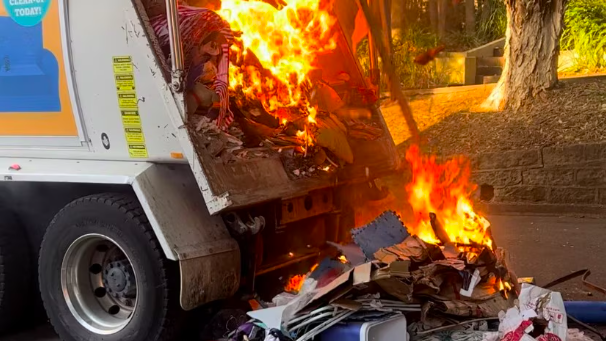
Who Pays When a Battery Fire Destroys a Garbage Truck? California Is Shifting the Debate.
A new battery recycling law and tougher landfill temperature rules put waste haulers at the center of a growing debate over fire risk, insurance costs, and who should pay for the…

Congress eyes battery recycling permits. The first-mile is about to change.
Two federal bills targeting critical minerals would nudge EPA strategy and permitting for battery recycling. That sounds upstream — but it will reshape how haulers collect, price, and move lithium-heavy waste right now.