The World Cup Generates More Than Cheers. It Generates Data.
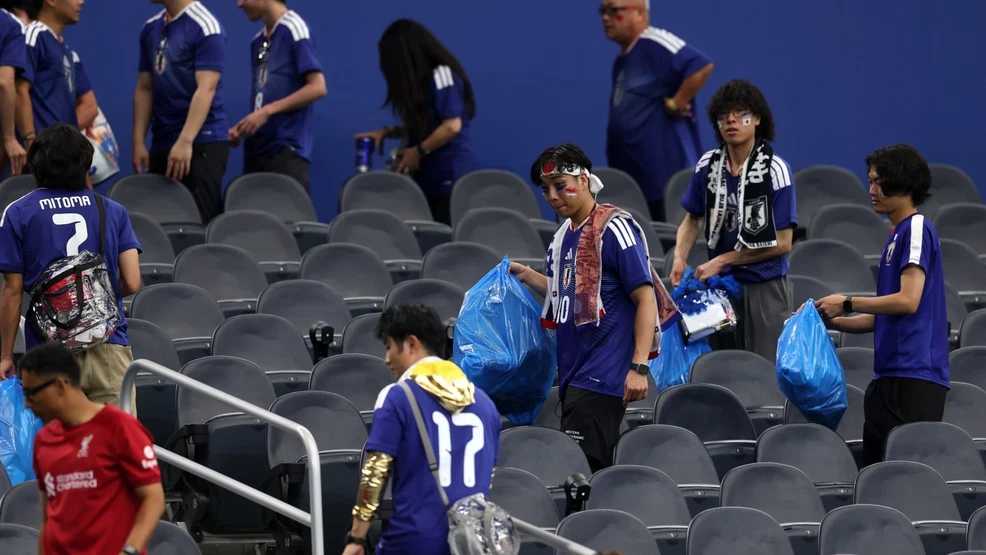
For a few weeks this summer, people from every corner of the globe are gathering in American cities, filling the same streets, riding the same trains, and celebrating the same game.
Some are even cleaning up after it.
At past World Cups, Japanese supporters became famous for staying behind after matches to collect litter and leave their sections cleaner than they found them. The gesture captured the spirit of an event that brings people together across cultures and borders.
But host cities can't rely on millions of visitors to clean up after themselves.
Behind every match is a much larger challenge: managing the waste generated by packed stadiums, crowded transit systems, fan zones, restaurants, and public spaces.
That's where AI comes in.
Every ticket scanned, train boarded, hotel booked, and public bin used creates data. When connected together, those signals can help cities predict where crowds will gather, where waste will accumulate, and where sanitation resources will be needed most.
The World Cup brings the world together through sport.
AI is helping cities do something similar behind the scenes—connecting people, infrastructure, and data to keep those same cities clean, efficient, and ready for tomorrow's crowd.
Because every World Cup match generates more than cheers.
It generates data.
Related reading

What Happens to Waste Management When the FIFA World Cup Comes to Town?
What happens when millions of soccer fans show up and your city's trash volume suddenly spikes overnight? That is the challenge facing 11 U.S. host cities during the 2026 FIFA Wor…

What Makes a City Feel Clean? Why the Future of Clean Streets Is Powered by AI
You know a clean city when you see one. The sidewalks are clear. Public bins aren't overflowing. Illegal dumping is rare. Parks are well maintained. But what most people don't rea…

Freedom Comes With a Cleanup Crew: The Hidden Work Behind America's Biggest Holiday
Every Fourth of July ends the same way. The fireworks fade. The grills cool down. The crowds head home. And then the cleanup begins. While millions of Americans celebrate Independ…