Border Towns Are Stress Testing America’s Waste Systems
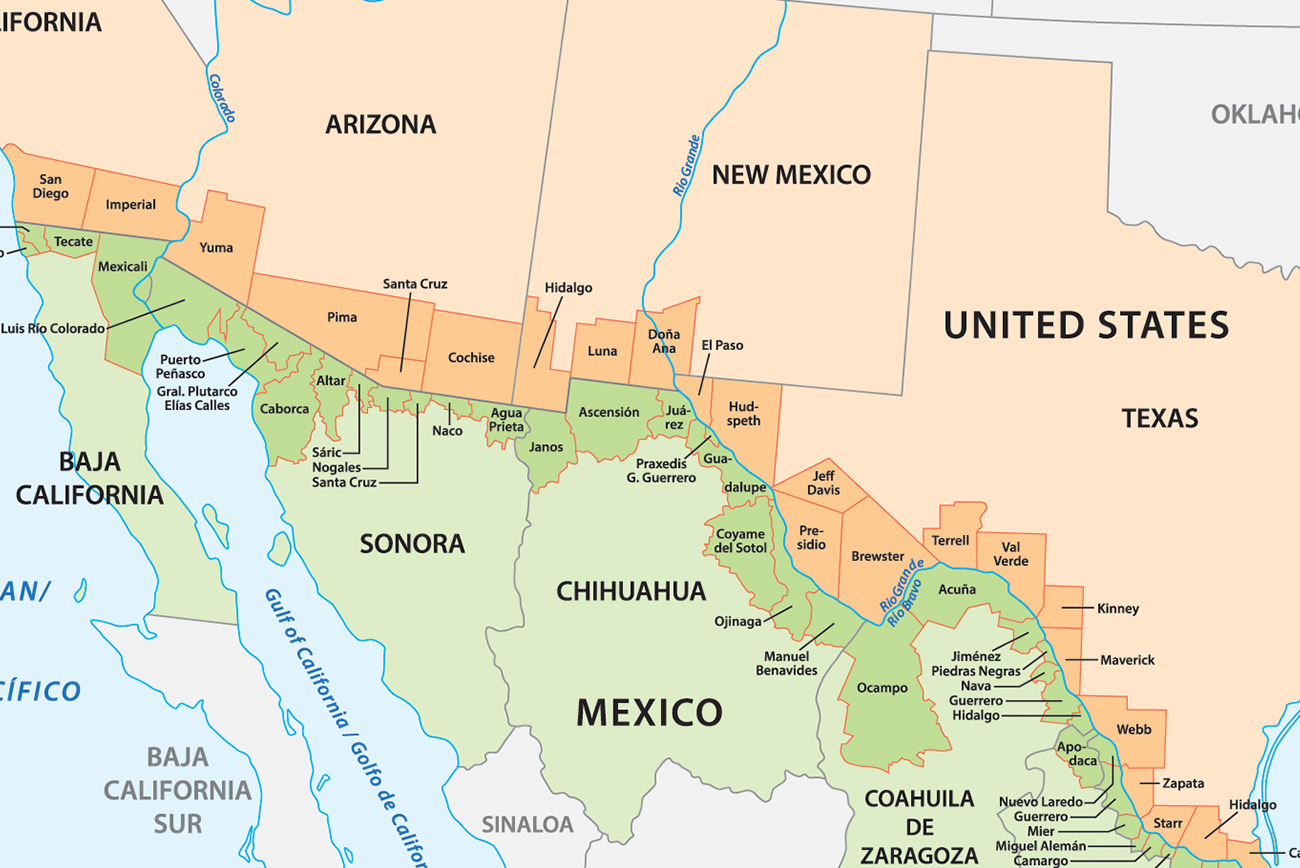
Some of the most complex waste management environments in the United States aren’t in major cities.
They’re in smaller border towns along the southern U.S. border.
These include places like San Ysidro (San Diego), Calexico, Nogales, Douglas, Santa Teresa, El Paso, Laredo, McAllen, Brownsville, Eagle Pass, and Del Rio — communities that sit directly on or near major crossing points between the United States and Mexico.
What makes these locations unique is not size, but variability.
Population levels can shift significantly within a single day. Commercial truck traffic moves in waves tied to trade and inspection patterns. Tourism and retail activity fluctuate based on crossing conditions. And in many cases, municipal waste systems are designed for far more stable demand than what actually occurs on the ground.
This creates a constant operational imbalance
Waste collection routes that look efficient on paper often struggle in practice. A container that is adequate in the morning can be overflowing by the afternoon. A pickup schedule that works on a typical weekday can fall behind during peak trade flow or seasonal surges.
Most traditional systems are not built for this level of fluctuation.
They rely on fixed schedules, historical averages, and periodic route adjustments. Problems are typically identified after they appear — either through resident reports or field observation.
In high-variability environments like border towns, that delay becomes costly.
Not just in fuel or labor, but in service reliability and cleanup burden.
This is where AI-driven systems are starting to change how operations are managed.
Modern waste platforms can incorporate real-time inputs such as container fill levels, traffic conditions, historical demand spikes, and event-based patterns. Instead of treating every day as statistically “normal,” these systems can adjust expectations dynamically.
Computer vision tools can detect overflow conditions before they become visible complaints. Predictive models can anticipate high-demand zones based on movement and historical trends. Route optimization systems can adjust schedules in response to live conditions rather than static planning cycles.
The result is a shift from reactive cleanup to adaptive operations.
Border towns make this challenge easy to see because variability is not an exception there — it is the baseline condition.
And as more cities face increasing volatility from population shifts, logistics flows, and climate-driven disruptions, these operating conditions are becoming more common elsewhere.
The future of waste management will not be defined by fixed routes executed well.
It will be defined by systems that can adapt when reality stops matching the plan.
Related reading

What Makes a City Feel Clean? Why the Future of Clean Streets Is Powered by AI
You know a clean city when you see one. The sidewalks are clear. Public bins aren't overflowing. Illegal dumping is rare. Parks are well maintained. But what most people don't rea…

Where Does Your State Rank in America’s Waste Management System?
The 3 Tiers of Waste Intelligence in the United States Waste management in the United States is not evenly distributed. Some states are beginning to operate like modern logistics…

5 Signs Your Waste Operation Needs AI Automation
Most waste companies don’t realize how much money they’re losing until they start measuring inefficiencies closely. Missed pickups. Overflowing containers. Fuel waste. Driver down…