Alaska Has America's Toughest Waste Management Problem. Can AI Help?
When most people think about waste management, they picture garbage trucks driving through city streets.
Alaska is different.
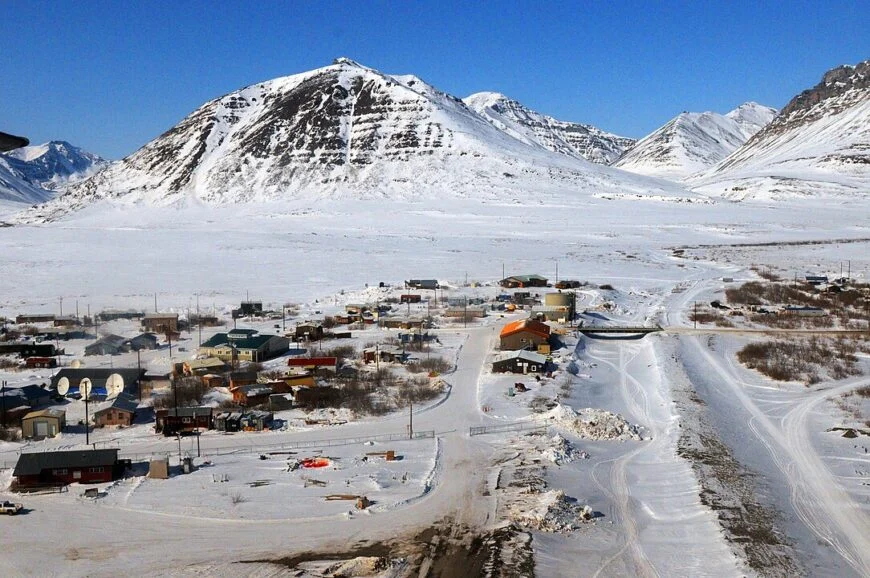
Many communities aren't connected by roads. Some villages are accessible only by plane, boat, or seasonal barges. Distances between communities can stretch hundreds of miles, and harsh weather can disrupt transportation for weeks at a time.
These realities make Alaska one of the most challenging waste management environments in the United States.
How Waste Is Managed in Alaska
In larger cities such as Anchorage and Fairbanks, waste collection operates much like it does elsewhere in America.
The real challenge lies in Alaska's remote communities.
Approximately 200 rural communities operate small Class III landfills, many of which face unique environmental, logistical, and financial constraints. In some locations, waste must be burned to reduce volume, while hazardous materials such as batteries and electronics often need to be shipped out through a process known as "backhaul"—using returning barges or aircraft that would otherwise travel empty.
Moving waste out of remote villages can be expensive and difficult to coordinate, especially when transportation options are limited.
Why Alaska Is Different
Most waste systems in the Lower 48 are built around roads.
Alaska's system is built around geography.
Remote villages, severe weather, limited infrastructure, and long transportation routes create challenges that few other states face. Climate change is adding additional pressure by affecting roads, containment systems, and landfill infrastructure in some communities.
For many operators, every collection trip, every shipment, and every landfill decision carries a significant cost.
Where AI Could Make a Difference
This is where AI becomes interesting.
Unlike large cities that focus on traffic congestion and route density, Alaska's opportunity is operational intelligence.
AI could help communities:
Predict when remote collection sites will reach capacity
Optimize backhaul shipments for hazardous waste
Forecast seasonal waste volumes
Identify illegal dumping hotspots using satellite or drone imagery
Prioritize maintenance for remote waste facilities
Monitor landfill conditions and environmental risks
The goal isn't necessarily more trucks.
It's better information.
The Future of Waste Management in Remote Communities
Alaska may seem like a niche case, but it highlights a larger trend across the waste industry.
Whether it's a dense urban neighborhood or a remote Arctic village, operators are increasingly looking for ways to move from reactive decisions to predictive ones.
The future of waste management isn't just about collecting waste.
It's about knowing where problems are likely to occur before they happen.
And few places could benefit more from that shift than Alaska.
At Bond4, we believe AI has the potential to improve waste operations everywhere—from the busiest cities in America to the most remote communities on the map.
Related reading

What Makes a City Feel Clean? Why the Future of Clean Streets Is Powered by AI
You know a clean city when you see one. The sidewalks are clear. Public bins aren't overflowing. Illegal dumping is rare. Parks are well maintained. But what most people don't rea…

Where Does Your State Rank in America’s Waste Management System?
The 3 Tiers of Waste Intelligence in the United States Waste management in the United States is not evenly distributed. Some states are beginning to operate like modern logistics…

5 Signs Your Waste Operation Needs AI Automation
Most waste companies don’t realize how much money they’re losing until they start measuring inefficiencies closely. Missed pickups. Overflowing containers. Fuel waste. Driver down…