Seattle’s C&D shake-up: DTG’s sell-offs and investigations will ripple through routes, rates, and risk
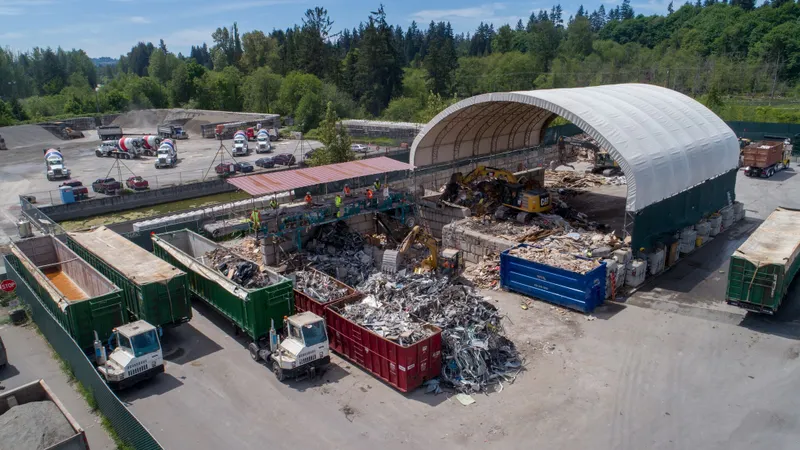
The Pacific Northwest’s C&D market just hit a turbulence pocket. DTG Recycle — long a major force in Seattle-area construction and demolition processing — is offloading facilities while facing fresh scrutiny from Washington regulators and new complaints alleging financial fraud, as reported by Waste Dive. After Macquarie sold the company back to its founder, the unwind accelerated, with multiple sites moving to MCS Recycle. This isn’t an abstract finance story. It’s a near-term operational reroute for anyone moving construction debris in Puget Sound, with real implications for tip fees, queue times and compliance.
A fast pivot: assets out the door, ownership reversed
Waste Dive reports that DTG has sold numerous locations to MCS Recycle and that Macquarie recently exited, selling the company back to its founder. For an operator base that counted on DTG’s broad footprint to keep haul miles tight, this consolidation under a new banner matters. Every facility transfer forces a chain reaction: credit onboarding, safety orientations, new hours and inbound material spec changes. Expect temporary friction as MCS integrates sites and as remaining DTG locations reset pricing or volumes. The big picture is clear: market power is being redistributed, and the map haulers relied on six months ago is already outdated.
Regulators circling: new state probe and fraud complaints
According to Waste Dive, DTG is the subject of a new state investigation and two complaints alleging financial fraud. Washington’s Utilities and Transportation Commission is referenced in the coverage, signaling that this isn’t just a private dispute — state oversight is in the mix. For contractors and haulers with long-term C&D recycling commitments (LEED jobs, municipal diversion requirements, private GC recycling targets), regulatory uncertainty translates into operational risk. If permits tighten, reporting requirements rise, or certain lines get curtailed, that shifts how and where material can move. Prudent operators will sharpen their contingency plans: alternate facilities pre-approved, route times recalculated, and customer comms ready if tipping options constrict suddenly.
What it means on the ground: capacity, pricing, and compliance pressure
When a major C&D processor sheds sites, short-term dislocation is normal. Capacity typically dips before it recovers under the new owner. That can manifest as:
- Longer queues and earlier cutoffs at remaining doors.
- Rate volatility as operators reprice risk and manage inbound mix.
- Stricter inbound specs and contamination enforcement while teams stabilize.
In the Puget Sound market — where many jobsites are operating under diversion commitments — fewer reliable outlets can jeopardize compliance if dispatch doesn’t adapt. GCs will ask for documented recycling rates and proof of proper end destinations; haulers will need clean ticket trails and rapid route flexibility to avoid deadhead miles or rejected loads. Meanwhile, brokers and small haulers may find lenders asking more questions about counterparty risk and concentration exposure. The Macquarie exit is also a signal: some financial sponsors are getting more selective in mid-market waste, which could slow capex at certain platforms even as new buyers like MCS step in.
The Bond4 Tech Take
This is a moment to harden your C&D playbook. Don’t wait for a closure notice to hit your inbox.
- Build disposal redundancy into dispatch. Set up at least two alternates for every primary C&D outlet. In software, that means geofenced failover destinations per route with automated ETA recalcs and customer notifications when you pivot.
- Re-underwrite your counterparties. Run credit checks and require updated COIs and permits when facilities change hands. Tie pricing escalators to disposal cost indices so your customer billing flexes with tip fee swings — not after you’ve eaten a month of margin.
- Tighten ticket data. Standardize scale ticket ingestion (photo capture + EDI where available) and map each ticket to job IDs. If regulators clamp down or customers audit diversion, you’ll need instant proof, not a scavenger hunt.
- Expect spec drift. Push updated inbound specs to driver tablets and yard checklists. Small contamination misses become big rejects when facilities are stabilizing post-transaction.
- Model route miles now. If your nearest reliable C&D MRF just changed ownership, simulate the next-best options and re-sequence stops. Fuel, driver hours, and cycle times will all move — so should your pricing and service windows.
Bottom line: ownership churn plus regulatory heat equals operational risk. Operators who treat disposal as a dynamic network — not a static address — will protect margin and service levels while everyone else is stuck at the scale house.
Book a meeting with Bond4Waste
Pick a time and add your details — or we'll reach out if none work.
Researched and drafted with AI assistance by the Bond4Waste editorial team. All credit for original reporting goes to Waste Dive.
Related reading

The Northeast’s Disposal Cliff: Haulers Need a Plan B (and C) Now
NEWMOA is warning of significant disposal capacity loss just as the Northeast is already exporting more than a quarter of its waste. If you’re not locking in transfer options, rail, and contract protections, you’re about to be a price taker.

Texas Moves to Shut a WM Landfill as Amarillo Probes Fire — Disposal Risk Just Got Real
A Texas county is suing to close a WM-operated landfill near Houston while Amarillo investigates a landfill fire. For haulers and MRFs, this isn’t background noise — it’s a flashing red light on capacity, routing, and compliance risk.

Recology moves upslope: Tahoe–Truckee buy signals a new bar for mountain-market operations
This isn’t a vanilla roll-up. Pulling Tahoe Truckee Sierra Disposal into Recology’s orbit will reset expectations on organics, C&D recovery, and service verification in one of the hardest geographies to run.