Michigan moves to fix its bottle bill — curbside recyclers, get ready for a material shift
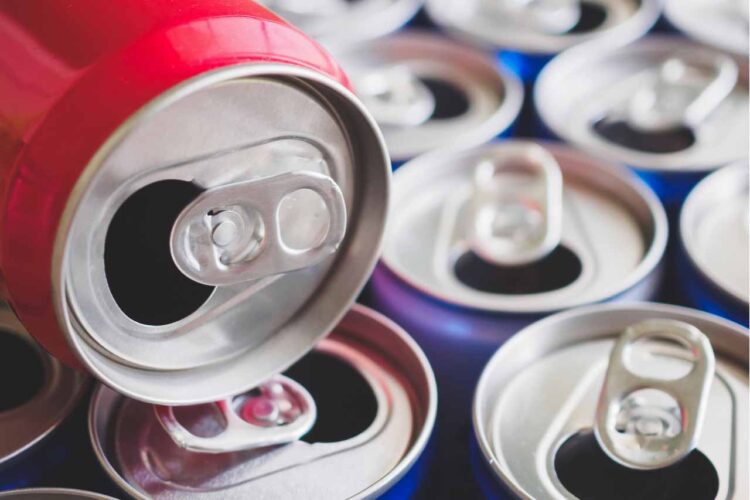
Michigan is the latest deposit state to reckon with a system that isn’t delivering like it used to. As Resource Recycling reports, a bipartisan three-bill package would strengthen consumer access to bottle deposit refunds and clarify retailer obligations under the state’s long-running, but recently declining, return system. That’s not just policy housekeeping. For haulers and MRF operators, deposit overhauls reliably move tonnage and dollars. If redemption gets easier and obligations get clearer, more high-value containers will bypass curbside — and operators that plan for that shift will protect margins while everyone else scrambles.
What Lansing is actually targeting
Resource Recycling notes the package aims at two pressure points: making it easier for consumers to get their deposits back and clarifying what retailers have to do. That combination addresses the core friction that’s driven Michigan’s return rates down in recent years — store limits, inconsistent takeback, and consumer hassle. Michigan’s deposit is already among the highest in the country, which means modest policy tweaks can unlock big behavioral changes. If retailers face firmer, clearer obligations and consumers have more consistent access to return points, redemption volume goes up. That translates to a cleaner, source-separated stream of PET and aluminum flowing to deposit channels rather than your MRF tip floor.
The curbside and MRF ripple effects
When deposit systems work well, curbside programs typically see fewer cans and deposit PET in their inbound mix. Two things happen on the ground: commodity revenue from those materials declines for MRFs and contracted municipalities, and contamination rates can improve at the margins. For haulers, route weights dip slightly and the value-per-ton on the recycling side softens. If your contracts lean on revenue share from PET and UBCs to subsidize processing or collection rates, that math gets tighter. On the flip side, third-party redemption centers and retailers need movement: baled deposit PET and UBC pickups with tighter service windows, custody tracking, and fast settlement. That’s a logistics niche haulers can fill if they build the right service and billing model.
Curbside operators should also expect more consumer confusion in the short term. Any unclear rollout — new return locations, changing retailer acceptance, or adjusted hours — sends well-meaning residents back to the blue cart. That whiplash shows up as spikes in inbound volume and contamination before the system equilibrates. Expect a six- to twelve-month turbulence window if this passes.
Compliance, data, and the gear behind the policy
Clarifying retailer obligations often leads to more consistent use of reverse vending machines and standardized backroom handling. For operators servicing redemption sites, that means predictable, segregated loads — and stricter documentation. Expect stronger chain-of-custody requirements and reconciliation between counted units and shipped weights. If fraud controls tighten, program administrators will push for better data capture. Operators who can scan, weigh, and reconcile by material and pickup will win these contracts.
From a capital standpoint, there’s not much for traditional curbside fleets to buy here. This is about contracts, scheduling discipline, and data. If you’re eyeing the redemption logistics space, modest investments in small-footprint balers, secure cages, and calibrated scales can turn opportunistic pickups into a repeatable margin line. The important part is how you dispatch and invoice: service-level guarantees, auditable counts/weights, and fast, accurate settlement against deposit program rules.
The Bond4 Tech Take
Michigan’s move is a warning shot to MRFs that still bank on deposit containers to float their commodity line. Re-forecast your inbound mix now. If you’re in Michigan — or another deposit state likely to copy this playbook — reduce your exposure to PET/UBC revenue share in municipal contracts coming up for renewal. Lock in processing fees that stand on their own and make revenue share a bonus, not the backbone.
There’s also an opening. Stronger retailer obligations create professionalized redemption flows. Step into that gap. Stand up a dedicated “deposit logistics” product: scheduled pickups with two-hour windows, unit/weight reconciliation at dock, and next-day remittance reporting. Price it with a transparent handling fee plus indexed fuel and a data/compliance surcharge. On the tech side, require drivers to capture photo, weight, and (where available) RVM report uploads at pickup; automatically tie those to line-item invoices. If you can prove counts and custody, grocers and third-party depots will pay for reliability.
Dispatch-wise, treat redemption like milk runs — dense, predictable, and time-sensitive. Build routes that avoid cross-contamination: PET, UBCs, and glass should never share loose space. Billing needs to reflect program rules: separate GL codes for deposit commodities, automated deductions for moisture/glass fines where applicable, and clean remittance files for retailer AP. Finally, expect copycat legislation. If Michigan shows improved return rates, neighboring states will revive bottle bill updates. Operators that pilot deposit logistics in Michigan now will be first to scale when the wave hits.
Book a meeting with Bond4Waste
Pick a time and add your details — or we'll reach out if none work.
Researched and drafted with AI assistance by the Bond4Waste editorial team. All credit for original reporting goes to Resource Recycling.
Related reading

Congress Eyes ‘Recyclable’ Claims — And Your Inbound Mix Could Change Fast
A House subcommittee just took testimony on two bills tied to packaging labels and recycled-content claims. If Washington draws a hard line on what counts, contamination, bale values, and contract risk all move—quickly.

Retailers Are Quietly Rewriting Your MRF Feedstock. Loblaw Just Hit the Gas.
Canada’s biggest grocer is telling suppliers to make packaging recyclable or reusable. Shelf-access mandates like this move material faster than any law — and operators need to tune lines and contracts now.

SB 54’s reuse reality check: haulers are the missing link — for now
California’s packaging EPR is about to push beyond blue carts into reuse and refill. Producers will foot the bill, but the trucks, depots, and data will be yours to build — if you step up early.