Coal’s Comeback Cash: $700M in DPA Funds Will Create Ash Streams Long Before “Clean” Power
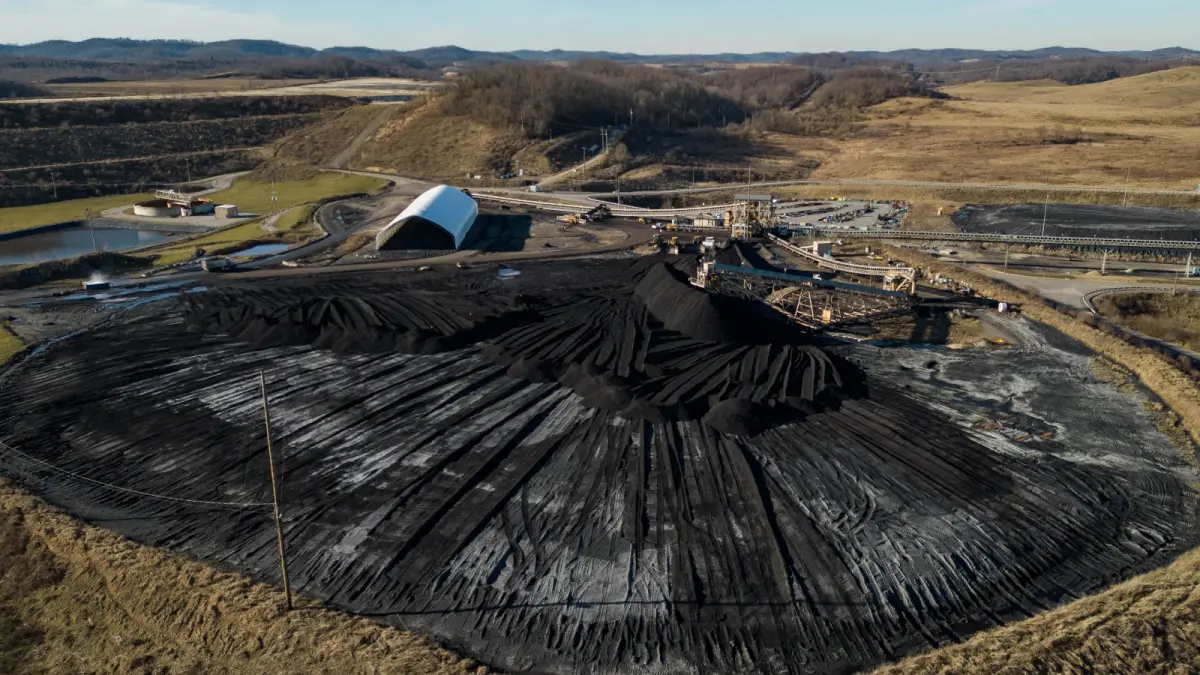
The administration’s decision to use the Defense Production Act to steer $700 million toward two proposed coal plants in Alaska and West Virginia isn’t just a headline about energy nostalgia. It’s a procurement signal that, if these facilities proceed, tonnages of coal combustion residuals (CCR) — fly ash, bottom ash, boiler slag, and scrubber solids — will reenter markets and landfills in a hurry. For operators, that translates to equipment, permits, dust control, and billing complexity, not theoretical debates about “clean, beautiful coal.”
What was announced, and why it matters for operations
Grist reports that President Trump announced plans for two new coal plants, tapping the Defense Production Act to move $700 million into projects in Alaska and West Virginia. DPA authority can accelerate contracting, prioritize materials, and compress timelines. If these plants advance, expect federal procurement flow-downs, Buy America preferences, and prevailing wage requirements baked into contracts for site work, ash handling, transport, and disposal. That changes how bids are packaged, how payroll is documented, and how invoices get approved.
Separate from politics, any modern coal unit will still face today’s federal air, water, and waste rules. That means engineered ash handling, lined monofills or contracted disposal, groundwater monitoring, and fugitive dust controls. None of that is free — and it won’t wait until the ribbon cutting to show up in your operations calendar.
CCR realities: where the ash actually goes
Coal plants make power and byproducts. Even with high-efficiency boilers and capture systems, you’re looking at significant CCR volumes per megawatt. In practice, that means:
- Fly ash: Potentially marketable into cement and concrete if it meets specs. Those markets are cyclical and location-sensitive; they don’t magically absorb every ton. When they don’t, it’s landfill tonnage.
- Bottom ash/boiler slag: Less reusable; more likely to head to lined units as daily cover or disposal, under strict handling to control dust.
- Flue gas desulfurization (FGD) solids/gypsum: Can feed wallboard if there’s a nearby plant and quality is consistent. If not, it becomes another disposal stream.
EPA’s strengthened coal ash rules over the past decade require lined storage, groundwater monitoring, and closure standards for impoundments — and regulators have been more aggressive on enforcement. For haulers that means covered loads, documented routes, scale data integrity, and clear chain-of-custody on every transfer. Alaska adds barge and seasonal road constraints; West Virginia adds mountain grades, axle-weight enforcement, and limited turn radii at older sites. None of this is hypothetical — it’s the daily math of hours-of-service, equipment spec, and tipping windows.
Procurement strings, logistics knots
DPA-backed contracts bring federal strings. Expect:
- Prevailing wage and certified payroll on construction-related scopes.
- Domestic preference on materials and, sometimes, rolling stock — relevant if you’re buying end-dumps, pneumatics, or container chassis for ash work.
- Tighter reporting cadence, insurance requirements, and safety documentation.
Operationally, CCR is a dust and leachate control problem. You’ll need sealed tailgates, on-site wheel washes, tarping discipline, and winterization plans for wet FGD solids that set up in cold weather. Dispatch will run more like aggregates than MSW — steady, high-weight, repetitive lanes tied to power plant output. Landfill operators should be stress-testing capacity models and daily cover plans now; a single baseload unit can consume airspace at a pace your municipal mix hasn’t seen in years.
The Bond4 Tech Take
This isn’t a coal renaissance; it’s a federally juiced one-off that will spray CCR into a few markets for a few years. Operators who treat it like a forever stream will overbuy iron and underprice risk. The smart play: don’t add a single ash-dedicated trailer without a multi‑year, take‑or‑pay contract indexed for fuel, moisture, and disposal fees. Build ash into your routing the way you do heavy aggregates: geofenced plants and monofills, hard appointment windows, and strict covered-load compliance with photo proof at scale.
Billing and compliance are where margins will be made or lost. Federal money means certified payroll, prevailing wage audits, and procurement clauses that punish sloppy documentation. Align scale ticket integrations, load-by-load moisture factors, and automatic fuel surcharge logic before you bid. Expect regulators to keep pressing on CCR dust and groundwater — so bake in costs for tarping automation, on-site wheel wash time, and PPE.
Alaska is a different beast: barge schedules, freeze-thaw, and limited disposal options scream demurrage risk. Price it. In West Virginia, spec tractors for torque and braking on grades, and plan for axle-weight enforcement that will eat your day if you’re casual about moisture. Bottom line: take the work if the contract respects the operational reality. Otherwise, let someone else donate their margin to “clean coal.”
Book a meeting with Bond4Waste
Pick a time and add your details — or we'll reach out if none work.
Researched and drafted with AI assistance by the Bond4Waste editorial team. All credit for original reporting goes to Grist.
Related reading

Chevron’s Texas School Tax Play For A Data Center Power Plant — And What It Signals For Waste Ops
Chevron is seeking a school district tax break to build a gas-fired plant for a data center in Texas. The battle over who underwrites power-hungry compute isn’t just an energy story — it will reshape grid access, permitting norms, and community expectations for waste and recycling operators.

Incinerator Rules Back in Court: What a Tighter LMWC Standard Would Do to Your Disposal Map
A new lawsuit aims to push EPA’s just-finalized waste-to-energy emissions rule further. Whether it wins or just drags on, haulers and municipalities need a Plan B for capacity, pricing, and routes now.

EPA hits pause on PFAS water limits — here’s what that really means for leachate, biosolids, and hauler contracts
Washington just took some air out of the PFAS panic—on paper. On the ground, this rewires near-term bargaining power between landfills, POTWs, and haulers, but the long game hasn’t changed.