What the Fleetworthy–Lytx Deal Means for Your Fleet's Insurance Costs
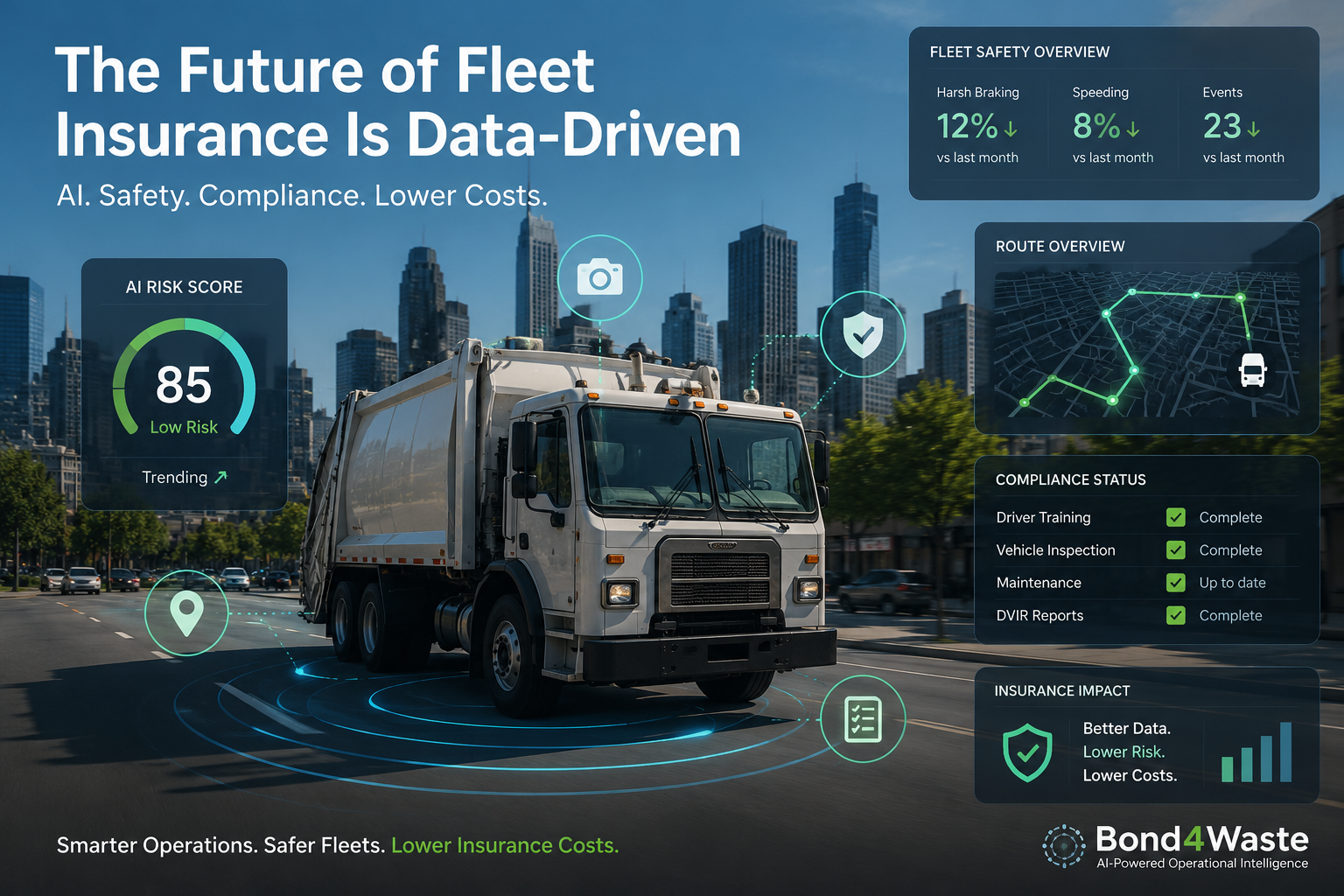
Fleet insurance premiums have been climbing for years. Rising repair costs, larger liability claims, distracted driving, and stricter regulations have made it more expensive than ever to keep commercial vehicles on the road.
That's why Fleetworthy's acquisition of Lytx is more than another technology headline. It reflects a broader shift in how fleets will manage risk, document driver behavior, and ultimately control insurance costs.
Fleetworthy has built its business around compliance, safety, and regulatory services. Lytx is one of the industry's leading providers of AI-powered video telematics and driver safety technology. Together, they are bringing compliance and real-time fleet intelligence under one roof.
For fleet operators, that combination could have meaningful financial benefits.
Why Insurance Companies Care About Fleet Data
Insurance providers don't just insure vehicles. They insure risk.
The more evidence a fleet can provide that it operates safely, the easier it becomes for insurers to accurately assess that risk. Instead of relying solely on accident history or annual safety reports, fleets can now provide continuous operational data that demonstrates how they reduce risk every day.
Modern fleet technology can track:
Driver coaching events
Harsh braking and rapid acceleration
Speeding trends
Near-miss incidents
Video evidence during collisions
Vehicle inspection history
Compliance documentation
This level of visibility helps fleets move from reacting after accidents to preventing them before they happen.
Better Documentation Can Reduce Claims Costs
One of the greatest advantages of AI-powered cameras and telematics isn't just preventing accidents—it's resolving them faster.
When a collision occurs, video footage and sensor data can quickly establish what happened. That can reduce fraudulent claims, shorten investigations, and lower legal expenses.
For many fleets, avoiding just one major lawsuit or disputed claim can offset years of technology investment.
By combining safety technology with compliance services, Fleetworthy and Lytx are creating a more complete picture of fleet risk—something insurers increasingly value.
Compliance and Safety Are Becoming One Conversation
Regulations continue to evolve across commercial transportation, municipal fleets, utilities, and waste collection.
Compliance used to mean keeping paperwork organized. Today, it increasingly means having accurate operational data that proves safe practices.
Fleet operators are expected to document inspections, monitor driver performance, maintain vehicles properly, and respond quickly when issues arise. Bringing those systems together reduces administrative work while providing stronger documentation for regulators, customers, and insurance providers.
The Fleetworthy–Lytx acquisition reflects a broader movement across fleet technology. Operators no longer want separate systems for compliance, telematics, maintenance, and operational reporting. They want one connected view of their fleet.
What This Means for Waste Collection Fleets
Waste collection fleets operate in some of the most demanding driving environments imaginable.
Drivers navigate narrow residential streets, busy downtown corridors, school zones, construction areas, and constant stop-and-go traffic while interacting with pedestrians, cyclists, parked vehicles, and heavy equipment.
Every route creates hundreds of opportunities for incidents.
While trucking companies have embraced AI-powered cameras and telematics, the waste industry is beginning to apply artificial intelligence in additional ways. Beyond driver safety, AI can help optimize collection routes, monitor container activity, identify service disruptions, analyze operational trends, and improve overall fleet performance.
That means:
Better driver coaching
Faster incident investigations
More efficient routes
Improved service reliability
Stronger documentation for insurance providers
Lower operating costs over time
Where Bond4Waste Fits In
The same trend driving the Fleetworthy–Lytx acquisition is shaping the future of waste management.
At Bond4Waste, we're focused on helping waste operators turn everyday operational data into smarter decisions. From route analytics and container intelligence to AI-powered operational insights, the goal is the same: reduce risk, improve efficiency, and give fleet managers better visibility into what's happening across their operations.
Insurance costs are only one piece of the equation.
When fleets can identify inefficient routes, detect service issues earlier, optimize collections, and improve operational consistency, they don't just reduce claims—they build more resilient and profitable businesses.
The Bigger Picture
The Fleetworthy–Lytx deal isn't simply about one acquisition. It's another signal that fleet management is becoming increasingly data-driven.
The future belongs to connected platforms that combine compliance, safety, telematics, maintenance, and operational intelligence into a single ecosystem.
For waste haulers, municipalities, and commercial fleets alike, artificial intelligence is becoming less of a competitive advantage and more of an operational necessity.
The fleets that embrace AI won't just have better technology. They'll have better information, faster decision-making, lower operating costs, and stronger documentation when it matters most.
Whether the goal is reducing insurance premiums, improving safety, or delivering more reliable service, one thing is becoming clear: the future of fleet management will be powered by connected data—and AI will help make sense of it.
Related reading

Safety data finally meets the yard: Why the Fleetworthy–Lytx tie-up matters for waste haulers
Another vendor integration headline? Not this time. Putting video events inside the compliance workflow is where the real ROI shows up—minutes saved, claims defended, and coaching that actually sticks.

AI’s $100M shot across hauling’s bow: the ops race just turned real
Waste Connections just committed nine figures to AI and the rest of the Big Five showed their cards. The next 24 months will separate fleets that operationalize data from those that keep it on PowerPoint.

Univerus scoops up FleetMind: What this consolidation means for your routes, trucks, and data
Fleet software just got more consolidated. Univerus is buying FleetMind’s assets from Safe Fleet, and that has real day-to-day implications for haulers running smart trucks, integrated cameras, and billing workflows.