🇸🇳 Senegal: Where the Ocean, Football, and Waste Economy Collide
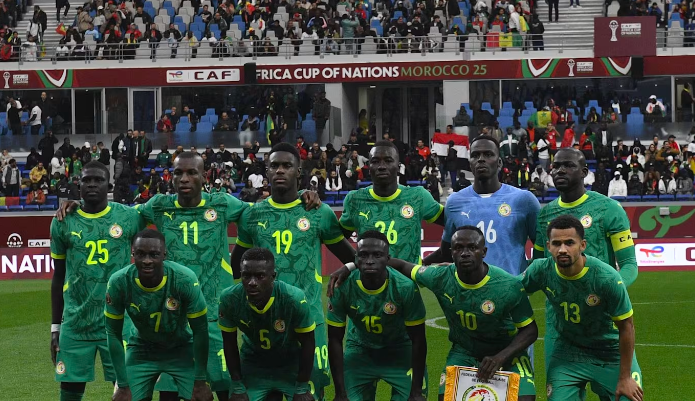
As Senegal prepares to take on Iraq in the FIFA World Cup today, another challenge is unfolding far from the pitch: what washes up on its coastline every day.
Senegal’s waste story doesn’t start in a landfill or a city hall.
It starts in the Atlantic Ocean.
A coastline under pressure
With more than 300 miles of coastline, Senegal sits directly in the path of ocean currents that carry plastic waste across West Africa. Beaches around Dakar—often shown in travel ads and football broadcasts—quietly deal with a constant flow of marine debris.
This makes Senegal’s waste challenge different from countries where waste is mostly “produced and collected.”
Here, a significant portion is imported by geography.
Dakar: tourism image vs urban reality
Dakar is one of Africa’s most recognizable coastal capitals. It is also a city where waste management systems are under continuous strain from:
Rapid population growth
Informal coastal settlements
Seasonal flooding that redistributes waste
Limited sorting infrastructure at the source
So while Dakar projects a global image through music, culture, and football, its waste system is dealing with a very physical, visible problem: trash in public and coastal spaces that never fully stays in one place.
The hidden engine: informal recovery
Instead of a fully industrial recycling system, Senegal relies heavily on informal recovery networks.
At sites like the Mbeubeuss area outside Dakar, waste pickers recover plastics, metals, and cardboard.
This creates a parallel economy where value is extracted manually from mixed waste streams.
It is not efficient in the traditional sense—but it is resilient.
The real bottleneck isn’t collection—it’s flow
Most waste systems are designed around a simple idea: collect → transport → dispose.
Senegal’s reality is more complex:
Waste arrives from land, city, and sea
Collection systems vary by district
Informal actors recover value before formal systems even see it
Coastal pollution re-enters the system repeatedly
This creates a looping system rather than a linear one.
And that’s where most inefficiencies come from.
Where the future pressure point is
The biggest shift Senegal will face is not just improving collection rates.
It is understanding movement:
How waste travels across districts
How much enters from coastal drift
Where informal recovery removes material
When and where overflow happens during storms
This is a data problem as much as an infrastructure problem.
Beyond football
Senegal’s national team is known for speed, adaptability, and physical intensity on the pitch.
Its waste system operates in a similarly dynamic environment—but without the same level of visibility or structure.
And unlike Argentina or Scotland, the challenge here is not legacy infrastructure.
It is fluid geography.
The Atlantic never stops moving.
And neither does the waste.
Related reading

What Happens to Waste Management When the FIFA World Cup Comes to Town?
What happens when millions of soccer fans show up and your city's trash volume suddenly spikes overnight? That is the challenge facing 11 U.S. host cities during the 2026 FIFA Wor…

Argentina Won the World Cup. Can Its Waste System Win Too?
When most people think of Argentina, they think of Lionel Messi, World Cup glory, steak, and passionate football fans. Few think about garbage. Yet Argentina has one of the most u…
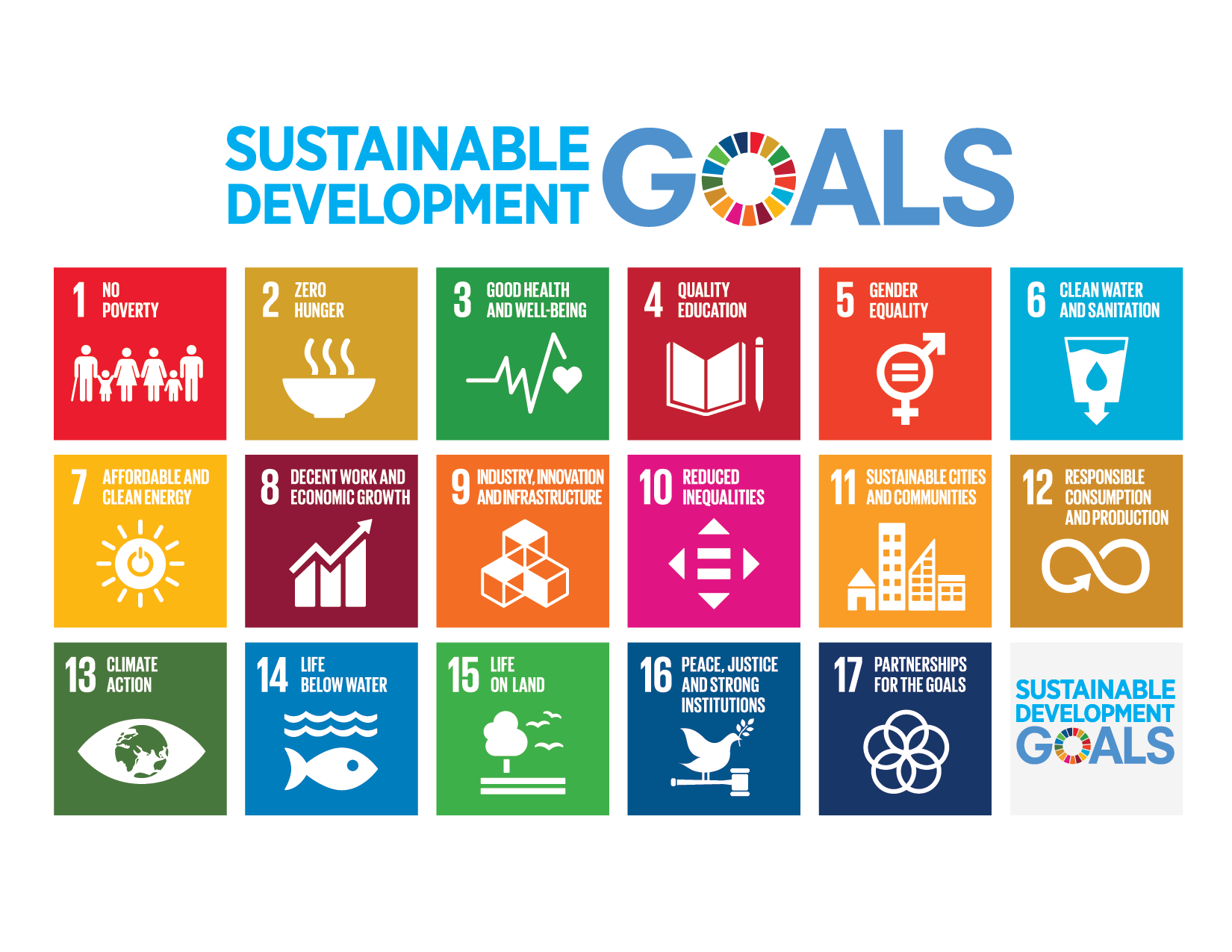
UNGA 2026 and the Sustainability Goals: It’s Time to Talk About Waste
Every September, the world’s attention turns to New York as leaders gather for the United Nations General Assembly. This year, as UNGA 2026 brings renewed focus to the Sustainable…