7 Secret Ways AI is Trimming Costs in Waste Ops
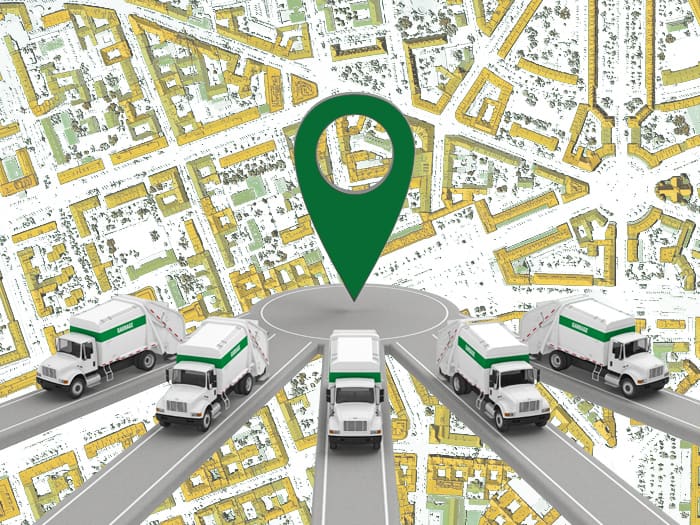
Cities don’t need moonshot tech to save real money. The quiet gains are already coming from AI that trims miles, reduces do-overs, and keeps material moving. Here are seven ways those savings are showing up—often without a press release.
On the route
Fuel optimization that actually sticks. AI learns a city’s true operating patterns—school schedules, construction zones, seasonal setout swings—and smooths routes accordingly. Unlike static optimizations, models keep tuning as conditions change, cutting deadhead miles and idle time. The result: fewer gallons burned and less wear on brakes and tires. For context on why idling cuts into budgets, see DOE guidance on idle reduction (U.S. Department of Energy, Alternative Fuels Data Center: https://afdc.energy.gov/conserve/idle_reduction).
Missed pickup reduction before it hits 311. Image and pattern analysis spot likely misses—blocked alleys, tough cul‑de‑sacs, holiday overflow—so supervisors can pre‑stage callbacks or micro‑adjust crew starts. When a lift sensor or onboard camera shows a stop was serviced, models can auto‑close tickets and prevent duplicate rollouts. That means fewer trucks retracing steps and fewer overtime hours.
Overflow prediction and right‑sizing service. By combining lift counts, historical setout density, and event calendars, models flag where carts or dumpsters will overflow next week—not last month. We’ve seen teams use this to rotate larger containers where they’re actually needed, tune frequency selectively, and preempt contamination that starts when lids can’t close. It’s a quieter path to capacity without buying more steel.
At the curb
Illegal dumping detection that focuses patrols. Vision models built from dashcams, pole cameras, or even citizen‑submitted images can detect common dump signatures—bag piles at known hotspots, mattresses after student move‑outs—and prioritize dispatch windows accordingly. That shrinks the expensive tail of multi‑stop cleanups and keeps neighborhoods from becoming chronic sites. Many municipalities already document high cleanup costs from illegal dumping; EPA provides prevention resources outlining operational impacts (U.S. EPA, Illegal Dumping Prevention Guidebook: https://www.epa.gov/tribal/illegal-dumping-prevention-guidebook).
Recycling contamination reduction where it counts. Computer vision now flags bagged recyclables, tanglers, and obvious prohibitives at the curb or at the MRF in near real time. Two cost levers follow: (1) targeted education to the right addresses instead of blanket mailers, and (2) fewer downstream slowdowns and equipment jams. EPA’s National Recycling Strategy notes contamination increases processing costs and reduces material value (U.S. EPA, National Recycling Strategy: https://www.epa.gov/recyclingstrategy). AI doesn’t solve behavior alone, but it makes every outreach dollar more surgical.
Behind the scenes
Predictive maintenance that prevents the 4 p.m. breakdown. Models trained on telematics—engine faults, hydraulic temps, vibration, PTO cycles—flag early failure patterns so shops can schedule work before a packer or side‑loader strands a crew. Avoiding one roadside tow, swap‑in rental, and rescheduled route can erase a week’s worth of incremental software spend. The bonus: steadier service means fewer make‑up routes and customer credits.
Smarter disposal and transfer decisions. Tip fees, queue times, and traffic don’t move in lockstep. Models that blend live scale‑house queues, historical dwell times, and disposal pricing can steer each load to the best site by hour and material. That means less paid idling at crowded facilities, fewer late‑day overtime roll‑ins, and better control over blended cost‑per‑ton—especially for cities and haulers juggling multiple contracts.
What makes these “secret”? They don’t announce themselves. Savings show up as smaller fuel invoices, flatter overtime curves, steadier MRF throughput, and fewer complaint tickets. Most of the work is orchestration—letting models watch patterns we can’t eyeball at scale, then nudging decisions: a route tweak here, a bin swap there, a different tip site after 2 p.m.
A few lessons we keep returning to:
- Start with data you already trust. Telematics, lift counts, ticket logs, and facility timestamps go a long way before you buy a single sensor.
- Close the loop with crews. When drivers see that AI eliminates rework—rather than second‑guessing their judgment—adoption sticks.
- Measure cost per ton and per stop, not dashboards. Tie each model’s output to a budget line (fuel, overtime, maintenance, tip fees) and keep what moves the needle.
None of this requires a rip‑and‑replace overhaul. It’s steady, practical automation with clear guardrails, backed by transparent metrics. If we keep leaning into these seven levers, “secret” savings won’t stay secret for long—they’ll just become the new baseline.
—The Bond4Waste team
Related reading

AI-Powered Dumpster Monitoring Is Cutting Costs—Here’s How
We’re watching a quiet shift in solid waste: AI is taking the lid off containers—literally. With smart dumpsters, IoT waste sensors, and computer vision, operators are replacing f…

How AI Turns Waste Data Into Profit: Analytics, Forecasts, and Operational Intelligence
Margins in hauling and recycling don’t come from shiny dashboards—they come from better decisions at the stop, the scale, and the line. The good news: AI is finally good enough to…

Five Dumpster Route Ruts AI Can Fix Fast
Every day, dumpsters stay put, but demand around them shifts by the hour. When we lay route traces next to lift data with ops teams, the same wasteful patterns show up in front-lo…