June Is Safety Month. AI Can Help Make Every Month Safer.
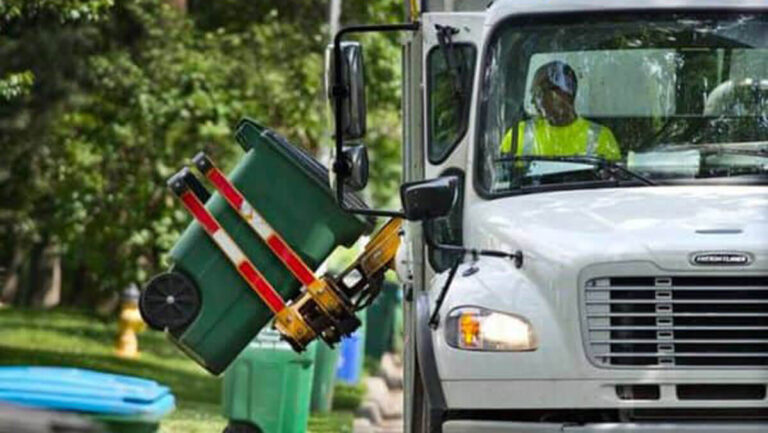
Every week, thousands of sanitation workers climb onto trucks, navigate busy streets, lift heavy containers, and work around moving machinery. It remains one of the most physically demanding and hazardous professions in North America.
That's why June is recognized by the Solid Waste Association of North America as Safety Month—a time dedicated to reducing injuries, improving training, and building a stronger safety culture across the waste and resource management industry.
Safety has always depended on people making the right decisions in the right moments. Today, technology can help them make those decisions faster and with more information.
The Risks Haven't Changed
Waste collection crews face hazards every day:
Backing accidents
Traffic around collection routes
Heavy lifting and repetitive motion injuries
Equipment failures
Heat stress during summer months
Illegal dumping and hazardous materials
While safety training has become more comprehensive over the years, many of these risks still rely on human observation and manual reporting.
AI Is Becoming Another Layer of Protection
Artificial intelligence won't replace experienced operators. It can, however, provide another set of eyes.
Modern AI systems can help waste organizations:
Predict equipment failures before they happen. By monitoring vehicle performance and maintenance data, AI can identify warning signs before a breakdown creates a dangerous situation.
Optimize collection routes. Smarter routing reduces unnecessary driving, limits time spent in high-traffic areas, and minimizes driver fatigue.
Detect safety risks with computer vision. Cameras combined with AI can identify pedestrians, obstacles, overflowing containers, or unsafe conditions around collection points.
Identify high-risk patterns. By analyzing historical incidents, organizations can discover recurring safety issues tied to specific routes, neighborhoods, equipment, or times of day.
Improve operational awareness. AI dashboards can bring together fleet data, service requests, maintenance records, and field observations into a single view, helping supervisors respond faster when issues arise.
Safety Is About Prevention
The biggest opportunity isn't responding to accidents more quickly.
It's preventing them altogether.
Predictive analytics can help organizations recognize trends before they become incidents, whether that's recurring vehicle maintenance problems, unusually hazardous routes, or collection schedules that contribute to fatigue.
The earlier a risk is identified, the more opportunities there are to eliminate it.
Technology Supports a Strong Safety Culture
Safety starts with people.
Organizations like Solid Waste Association of North America continue to lead the industry through education, training, advocacy, and collaboration, reinforcing that every employee deserves to return home safely at the end of the day.
As AI becomes more common across the waste industry, it should be viewed as another tool that supports those same goals—not by replacing workers, but by giving them better information, improving visibility, and helping managers make smarter operational decisions.
Because the safest accident is the one that never happens.
As Safety Month reminds us each June, protecting workers isn't a one-month initiative. It's an everyday commitment—and one that technology is increasingly helping the industry keep.
Related reading

5 Signs Your Waste Operation Needs AI Automation
Most waste companies don’t realize how much money they’re losing until they start measuring inefficiencies closely. Missed pickups. Overflowing containers. Fuel waste. Driver down…

Battery Dumping Is Becoming a Growing Threat to Waste Operations
Most people don't think twice before tossing something into the trash. For waste collection crews and recycling facilities, however, a single misplaced item can have serious conse…

AI won’t do your stormwater sampling — but it could finally fix EHS compliance drift
A new Waste360 Q&A says AI can turn EHS from reactive box-checking into a proactive discipline. For haulers and MRFs, the upside is real — if your data plumbing is ready and your audit trail is bulletproof.