How Waste Haulers Can Win Data Center Decommissioning Contracts
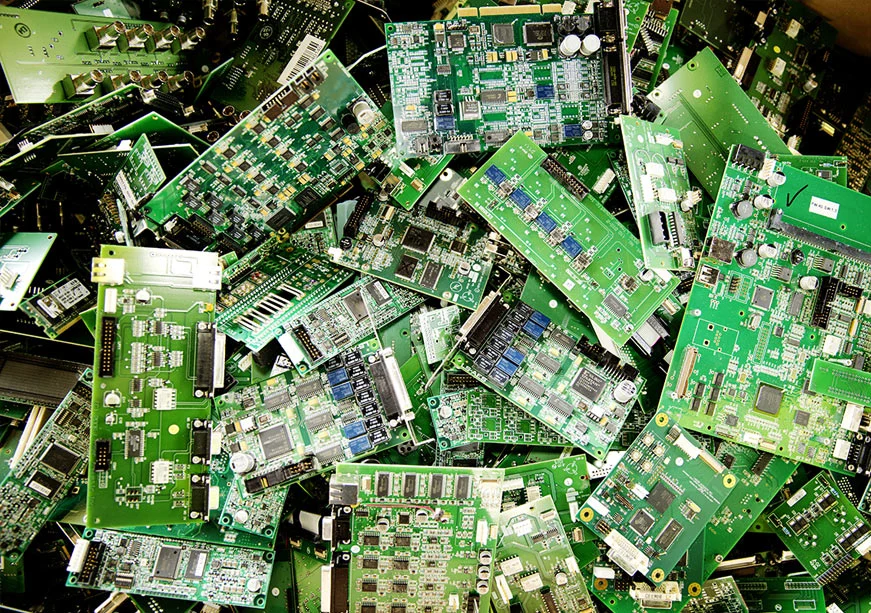
Artificial intelligence is driving one of the largest infrastructure expansions the technology industry has ever seen. Companies like Microsoft, Google, Amazon, and Meta continue investing billions of dollars into hyperscale data centers capable of supporting increasingly demanding AI workloads. While much of the conversation focuses on building these facilities, another rapidly growing opportunity is emerging behind the scenes: the secure decommissioning of aging IT equipment.
Every few years, thousands of servers, networking devices, storage systems, batteries, and cooling components are removed from service as newer, more efficient technology replaces them. Managing these assets responsibly is known as IT Asset Disposition (ITAD), and it has become a critical service for data center operators that must balance security, environmental compliance, and sustainability commitments.
For waste management companies, this presents a unique opportunity. Rather than viewing retired electronics as another recycling stream, forward-thinking haulers are beginning to position themselves as logistics and sustainability partners capable of supporting large-scale data center decommissioning projects. As hyperscale facilities continue expanding across North America, demand for experienced vendors is expected to grow alongside them.
What Is Hyperscale Data Center ITAD?
IT Asset Disposition, commonly referred to as ITAD, is the structured process of retiring, transporting, sanitizing, recycling, refurbishing, or remarketing information technology equipment that has reached the end of its operational life. Unlike traditional electronic waste collection, ITAD involves strict documentation, security procedures, and environmental controls throughout every stage of the process.
Inside a hyperscale data center, a single equipment refresh can involve tens of thousands of servers, storage arrays, network switches, backup power systems, racks, lithium-ion batteries, and miles of copper cabling. Many of these assets still retain significant financial value, while others contain confidential corporate or customer information that must be securely destroyed before leaving the facility.
Because of these risks, hyperscale operators require detailed chain-of-custody records, certified recycling partners, secure transportation, and complete documentation proving every asset was handled responsibly. These requirements create an entirely different level of service than conventional electronic waste recycling.
Why This Market Is Growing So Quickly
The rapid adoption of artificial intelligence is significantly shortening the lifespan of enterprise computing equipment. AI servers consume more power, generate more heat, and rely on increasingly specialized hardware, encouraging operators to replace existing infrastructure much faster than in previous generations. What once might have been a five- or six-year refresh cycle has become much shorter for many organizations seeking greater performance and energy efficiency.
At the same time, environmental expectations have never been higher. Most major cloud providers have publicly committed to ambitious sustainability goals, requiring vendors throughout their supply chains to demonstrate responsible recycling practices, material recovery, and transparent environmental reporting. As organizations seek partners capable of meeting these expectations, the demand for qualified ITAD providers continues to increase.
Why Waste Haulers Have an Advantage
Although many companies assume IT Asset Disposition is handled exclusively by specialized technology firms, waste management companies already possess many of the operational capabilities necessary to compete in this space. Commercial fleet operations, logistics planning, regulatory compliance, customer service, and material handling are all core competencies shared between traditional waste services and ITAD operations.
For regional haulers, entering the market does not necessarily require building an entirely new business from scratch. Many successful companies begin by partnering with certified electronics recyclers, secure data destruction providers, and battery recycling specialists while continuing to provide transportation, project coordination, and customer support. This collaborative approach allows waste companies to expand their service offerings while minimizing upfront investment.
How Waste Haulers Can Win Data Center Decommissioning Contracts
Winning hyperscale decommissioning projects requires much more than offering competitive pricing. Data center operators evaluate vendors based on reliability, security, documentation, and operational experience, often placing greater emphasis on risk reduction than on cost alone.
One of the first priorities should be investing in certifications and partnerships that demonstrate credibility. Working alongside R2 or e-Stewards certified recycling facilities immediately strengthens a proposal and reassures customers that retired equipment will be processed responsibly. Similarly, developing relationships with certified data destruction companies and lithium battery recyclers enables waste haulers to provide comprehensive end-to-end solutions without needing to build every capability internally.
Equally important is the ability to provide complete visibility throughout the decommissioning process. Customers increasingly expect serialized asset tracking, documented chain of custody, GPS-monitored transportation, and detailed environmental reporting. Companies that can provide real-time updates and accurate documentation differentiate themselves from competitors that still rely on manual paperwork and disconnected systems.
Related reading

AI’s hidden waste stream: Data centers are about to flood ITAD — here’s how to win it
A tidal wave of servers and batteries is coming as the AI build‑out matures. Operators who productize secure, white‑glove ITAD now will eat the contracts when refresh cycles hit full stride.

Data centers boast green power. They’re quiet on the scrap — and that’s our problem.
A major operator’s sustainability report talks at length about electrons but says almost nothing about end‑of‑life hardware. With AI compressing refresh cycles, that silence has real operational consequences for haulers and recyclers.

AI’s $60B Hardware Binge Sets Up a 2029-31 ITAD Traffic Jam
The AI server boom guarantees a reverse‑logistics bulge five years out. Operators that stand up secure, serialized ITAD capacity today will own the most profitable decommissions tomorrow.